

Poker Evolution: Adapting to Full Ring and 6-Max Tables
The key difference between full-ring and shorthanded cash games involves the number of poker players. The full ring is essentially a standard poker game where nine or ten players are seated. While some poker rooms offer a maximum of five seats in their shorthanded cash games, most are usually limited to six seats, so they are commonly referred to as “6-max” tables.
The 6-max cash games are hugely popular online. Some poker players prefer these shorthanded cash games simply because they like to play against fewer opponents and they get to see more hands. Others like the classic full-ring cash games, perhaps because they’re more like those in live poker venues.
Strategic Considerations
Even though the only difference between the two formats is the variation in table size, they play very differently.
Starting Hand Selection
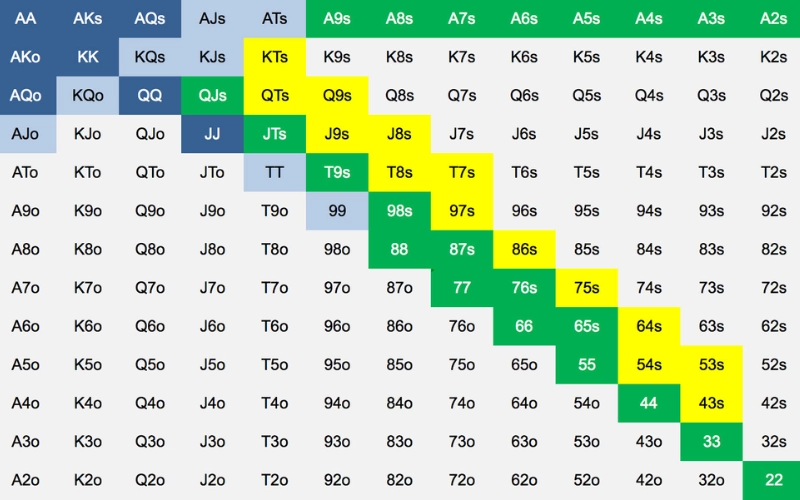
Full-ring cash games allow players to play tight by being conservative with their moves, holding out, and only committing when a strong hand comes their way. Since the blinds are paid more frequently, and there are fewer players in shorthanded games, starting hand values go up significantly. When you play 6-max cash games, you need to play more poker hands and play them more aggressively. Anything playable in mid-position in a full-ring game is generally in any position in 6-max games. You’ll also find that you can be the first raiser much more often when in a late position simply because there are fewer players.
Aggression Adjustment
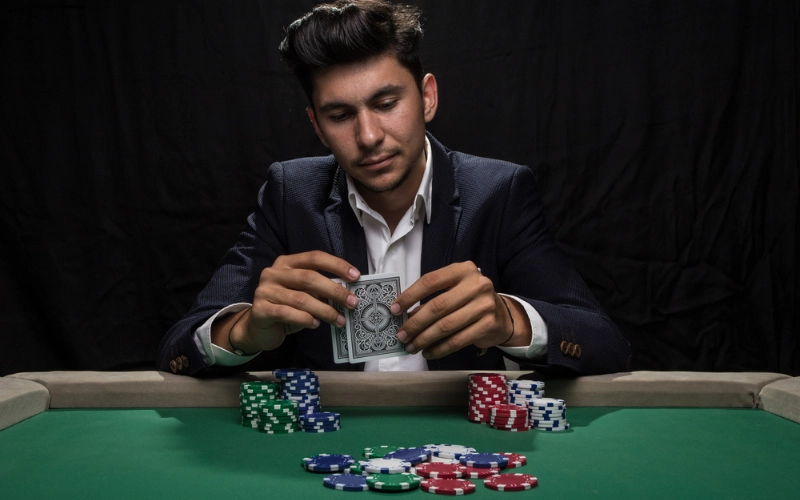
Undoubtedly, the level of aggression is one of the most important separations between a full ring and a shorthanded game. If you switch from full circle to 6-max cash games, you already know you must open up your range of starting hands. Aggressive play is always important in poker, but even more so in shorthanded games because you must maximize your ability to play and win with marginal and lighter holdings. This does not immediately relegate the more traditional full-ring conservative players, but overly tight play certainly can count against you. Similarly, shorthanded games can sometimes tempt players to loosen up too much and play too many weak hands, leading to their downfall.
Positional Considerations

The position is important in all forms of poker, as acting last rather than first is more desirable. Playing a hand from an early work In a full-ring cash game is a much bigger disadvantage than in shorthanded games since more opponents can enter the pot after you’ve acted. However, this doesn’t mean your table position should be disregarded when playing 6-max. Players are likelier to miss the flop in shorthanded games, making work very valuable post-flop. If you’re out of place, your opponents will have more opportunities to exploit you by stealing pots when you miss the flop.
Increased Opportunities
6-max cash games are more profitable for skilled poker players. If you’re fortunate enough to be seated with an inferior opponent, you’ll be involved in many more pots with them. This means you can exploit your edge over these weak players far more than you ever could in a full-ring game simply because fewer competing players exist. The skilled poker player also benefits from playing 6-max games because of the wider range of hands and the knowledge of how to play these hands against weaker opponents who might be clueless.
Bluffing and Value Betting

Although there are increased opportunities in shorthanded games, and it is generally easier to bluff, you need to temper this with the realization that your fellow poker players know that aggressive play is the order of the day. You’ll get called much more frequently. That is the bad news – the good news is that due to the prevalent mindset in shorthanded games, your value bets will likely be called.
In shorthanded games, you may be able to confuse your opponents by making value bets that are larger than normal. These larger bets may seem like bluffs as they discourage a call. The contrarian nature of poker (strong is weak and weak is strong) often makes an opponent even more willing to call. Try betting about one and one-half times the pot as a value bet, and you might be surprised at how often you’ll be called.
Higher Variance
You’ll experience larger swings in shorthanded games. Players will be involved in more pots with weaker hands, betting them more aggressively. Your style of play will influence how much variance you experience. If there is greater variance in shorthanded games, then it stands to reason that handling the highs and lows will require a larger-than-normal bankroll than full-ring games.
What Should You Play?
This will depend on your style of poker and your thirst for action. If it’s the action you crave, then shorthanded play should be your game of choice. Because of the fewer players, you will be forced to play more hands than at a full table. The playable hand values go up significantly, and since there are fewer players to act behind you, aggressive play is essential. You cannot just sit there and wait for premium cards.
If you’re starting, it’s generally better to begin by playing full-ring games. This will allow you to build a solid foundation and learn the basics of good cash gameplay with less risk to your bankroll and ego. Once you’ve gained the necessary experience and skills, you can progress to the shorthanded 6-max tables and get a feel for the mixture of patience and aggression required to succeed.


