

Winning at Kings in the Corner: Setup & Key Strategies
Imagine you’re sitting around a table, cards fanned out in your hand, pondering your next move in Kings in the Corner. This isn’t just about luck; it’s about outsmarting your opponents by strategically placing those elusive Kings in the corners. The game’s allure lies in its intricate balance of tactics and chance, compelling you to think two steps ahead. But do you know the common pitfalls players often overlook or how a small tweak in strategy can shift the entire game in your favor? There’s much more to explore that could change how you approach your next match.
Game Setup
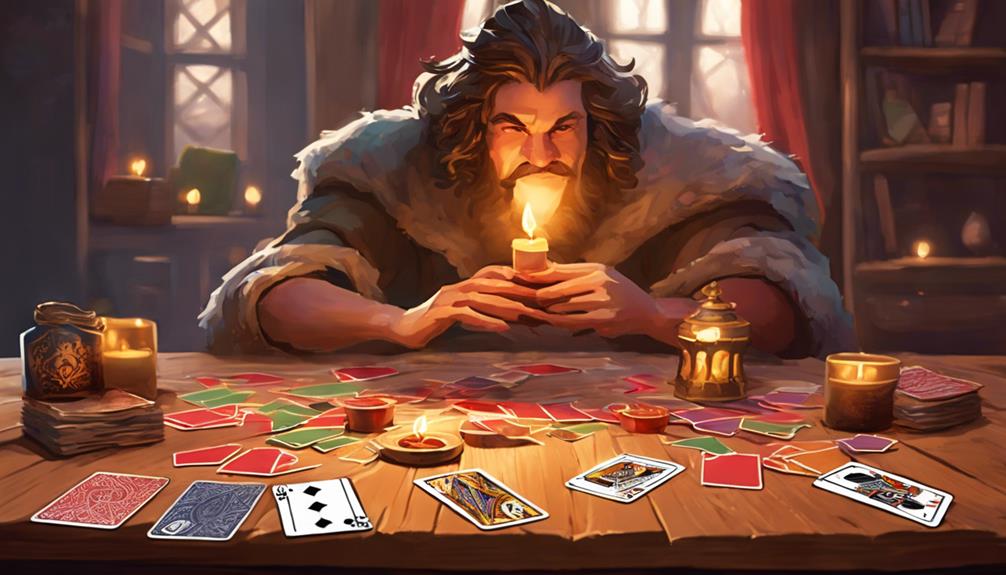
To set up Kings in the Corner, each player starts with seven cards. You gather your deck and begin by dealing these cards to all players. Once everyone has their hand, the setup continues with the tableau.
From the deck, place 4 face-up cards in the north, south, east, and west positions around a central stockpile. These are your face cards, and they establish the initial layout for the game.
The key here is to leave the corner spaces around the tableau empty. These spaces are crucial for gameplay as the game progresses. The remaining deck becomes the stockpile, which you’ll draw from during the game. Ensure the face cards in the tableau aren’t Kings, as they’re reserved for those empty corner spaces later on.
Once the tableau is ready, the game begins with the player who dealt the highest card. This player gets the advantage of starting the game and making the first strategic move.
As you set up, it’s important to remember the structure: players, cards, deck, and corner spaces all play a vital role in how the game unfolds. With everything in place, you’re ready for an engaging session of Kings in the Corner.
Objective and Rules
In Kings in the Corner, the primary goal is to strategically place all face cards on the board while eliminating other cards from play. You’ll focus on placing Kings in the empty corner spaces, laying the foundation for a successful game. As you play, ensure that you’re positioning your cards to allow movement and removal, which is crucial to maintaining control over the board.
When playing, remember to arrange numbered cards in descending order in the tableau, alternating between opposite colors. This strategic placement lets you free up necessary spaces and helps in moving face cards.
One key rule is that pairs of cards that sum up to ten can be removed from the tableau, providing additional opportunities to clear the board and advance your game.
Your foundation piles will grow as you continue playing, and with each move, you’re working toward the ultimate aim of placing all Kings. Keep an eye on your piles and use every opportunity to place Queens and Jacks efficiently.
As you play, focus on creating a strategy that allows you to manage your cards wisely, ensuring you can maneuver your way to victory by following these rules effectively.
Dealing the Cards
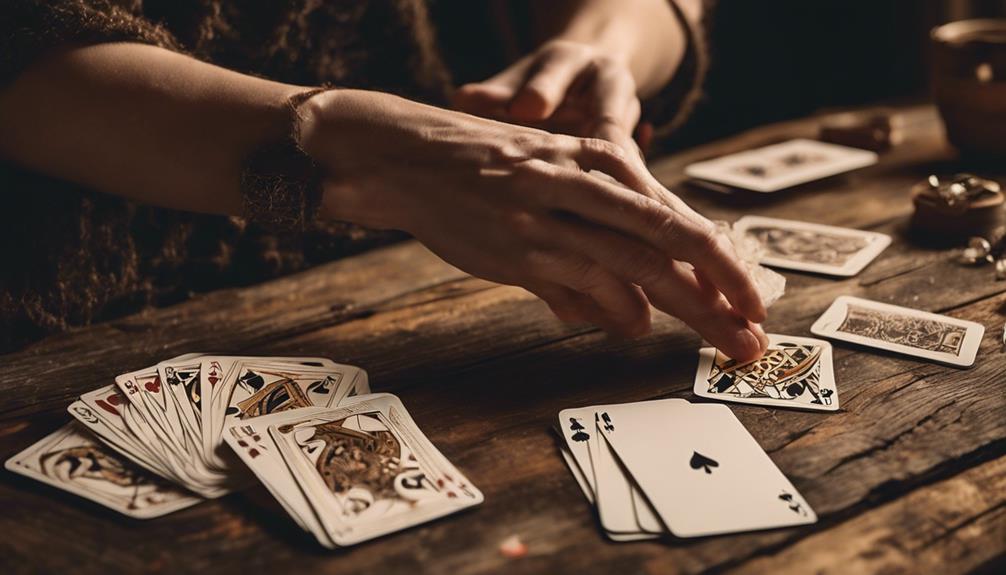
When starting a game of Kings in the Corner, each player gets dealt seven cards, setting the stage for strategic play. This initial deal is crucial as it determines the options you’ll have when making your moves. With your seven cards in hand, you’ll need to consider how best to play them to gain an early advantage.
After dealing with each player’s cards, place the deck face-down in the center of the table. This deck is your draw pile, and it will be your source for acquiring additional cards throughout the game.
Next, turn four cards from the top of the deck face-up, positioning them around the face-down deck. These face-up cards create the foundation piles where the action unfolds.
As a player, your goal is to discard all your cards into these piles strategically. You’ll draw a card from the face-down deck and add it to your hand each turn, expanding your options.
Playing Strategy
Mastering the playing strategy in Kings in the Corner can give you a significant edge over your opponents. Start by prioritizing the play of Kings into the corner spots. This strategic move not only frees up valuable space but also allows more flexibility for other cards.
As you proceed, focus on creating building piles in descending order and alternating colors. This approach ensures smoother transitions and opens up additional possible moves.
Utilizing empty foundation piles is another strategic advantage. Use them wisely to rearrange cards and create new sequences that can lead to efficient clearing of the tableau. Always aim to remove pairs of cards that sum up to 10. This tactic helps declutter and provides opportunities for new plays.
Planning ahead is crucial. Consider every move carefully, looking at the potential it has for maximizing card placement and clearing possibilities. Anticipate your next steps by visualizing the overall layout and the impact of each play. Remember, a well-thought-out strategy in Kings in the Corner is your best tool for maintaining control and staying ahead. Keep these principles in mind, and you’ll navigate the game with confidence and skill.
Winning the Game

To clinch victory in Kings in the Corner, focus on emptying your hand onto the tableau as quickly and efficiently as possible. Each player’s turn is an opportunity to place your cards onto another pile strategically. The goal is to move cards from your hand into the tableau, ideally positioning them into completed sequences. Remember, the game ends when one player successfully empties their hand, leaving others with cards.
On your turn, assess the tableau carefully. If you don’t have a move, you must draw a card, potentially setting you back. However, when placing cards, prioritize creating stacks where you can play multiple cards at once. This accelerates your path to victory by depleting your hand rapidly.
If a player finishes their hand while others still hold cards, those remaining cards can be counted against them. In some game versions, one player’s remaining hand at the end can impact the score, especially if playing multiple rounds. By knowing when to draw a card and when to play strategically, you can avoid ending up with a full hand. Ultimately, mastering these tactics will increase your chances of winning Kings in the Corner.
Variations and Challenges
Exploring different variations and challenges in Kings in the Corner can significantly enhance your gameplay experience. By altering the traditional rules, you can keep the game fresh and exciting. One way to mix things up is by changing the starting layout or adjusting the number of playing cards dealt. This simple tweak can lead to more dynamic strategies and unexpected outcomes.
Limited draw rules are another intriguing variation. By restricting how many times you can draw cards, you’ll need to think carefully about each move, adding a layer of tactical decision-making. Try stacking your cards within foundation piles in an ascending or descending order, which can make the sequence of cards more challenging to manage.
Moving a foundation pile onto another can also intensify the complexity of your game.
Partner play is a fantastic way to introduce cooperation and competition simultaneously. Working with a partner against other pairs can test your ability to strategize and communicate effectively. It’s a thrilling twist that brings new elements of strategy and teamwork into play. By experimenting with these variations and challenges, you can transform Kings in the Corner into a more engaging and strategic card game experience.
Common Mistakes

Playing Kings in the Corner can be a thrilling experience, but it’s easy to make common mistakes that hinder your progress. One frequent error is missing opportunities to play cards on foundation piles. You might overlook that the top card on a pile should be placed in descending order, with each card being one rank lower than the one before it. Forgetting this can leave you stuck, unable to play any cards.
Another mistake is failing to recognize the importance of empty corners for Kings. When you don’t place a King in an empty corner, you limit your options and can quickly find yourself trapped with cards you can’t use. The first player to effectively utilize these corners gains a strategic advantage.
Neglecting to strategize also plays a significant role in stalled gameplay. If you don’t plan ahead, you might end up with a middle pile that can’t progress because you forgot to merge stacks or play an entire foundation pile onto a new location.
Focus on moving the bottom card strategically to keep your options open and your game fluid. Remember, a well-planned game is key to avoiding these common pitfalls.
Card Designs and Editions
Kings in the Corner sets come in various editions, each with its own unique card designs that can add an extra layer of enjoyment to the game. Some editions feature special faces aimed at kids, making the experience more engaging. However, you might find discrepancies between the advertised special faces on the box and the actual standard playing card faces in some sets. This has led to mixed experiences and inquiries about the authenticity of the advertised card art.
When playing Kings in the Corner, the card designs can affect your interaction with the game. As you move a moving pile, the card of the moving pile’s design might influence how you strategize. Whether you draw from the stock or place cards in the middle, visually appealing cards can enhance your focus and decisions.
It’s always interesting when the player to the left appreciates the unique artwork as they play their cards.
Online poker communities have shared face card scans to clarify these differences. Ensuring you have the edition you want can make a big difference. Knowing which cards can be played in different scenarios adds to the game’s dynamic nature.
Conclusion
You’ve now got the essentials to dive into Kings in the Corner. Remember, it’s all about strategic placement and outsmarting your opponents. Keep an eye on those corner spots for Kings, and don’t forget to alternate colors for descending sequences. As you refine your strategy, you’ll find the game becomes even more rewarding. Avoid common mistakes and explore variations for added fun. So, grab a deck, gather your friends, and enjoy the challenge!


