

Does a Full House Beat a Flush? Explore Poker Hand Hierarchy
Comparing Flush and Full House Hands
In the game of poker, understanding the difference between a flush and a full house can significantly impact the outcome of a hand. Both hands are formidable, but their ranking in the hierarchy determines which one prevails. A flush consists of five cards of the same suit, such as all hearts or all spades, regardless of their numerical sequence. Conversely, a full house comprises a set of three cards of the same rank, along with a pair of cards of another rank.
The crucial distinction here is that a player must have three cards of the same rank (also known as “three-of-a-kind”) and an additional pair to form a full house. This combination sets a full house apart from a flush and elevates its value in poker rankings. Understanding this distinction allows players to make informed decisions during betting rounds, ensuring that they maximize their chances of success during a hand.
When considering hand rankings in poker, it’s essential to grasp how each hand is formed and where it stands concerning others. A flush can be visually striking with its all-suited lineup, suggesting strength and coherence. However, statistically speaking, achieving a flush is slightly more likely than landing a full house in a standard 52-card deck.
Despite being less visually spectacular than a flush, a full house surpasses it in significance within the poker hierarchy. The requirement for both three-of-a-kind and a pair underscores its complexity and rarity compared to a flush.
The value assigned to these hands has an impact on strategic gameplay. Knowing when to hold ’em or fold ’em depends on recognizing these subtle but crucial differences in hand strength.
Understanding the nuances between flushes and full houses offers insight into maximizing winning odds in poker. Let’s now explore the statistical probabilities contrasting these two formidable hands.
The Winning Odds: Flush vs. Full House
Understanding the statistical probabilities of poker hands is paramount for strategic gameplay. Delving into the contrast between flushes and full houses reveals insights crucial for optimizing your decision-making at the poker table.
Frequency vs. Ranking
While flushes occur more frequently at approximately 19.65%, and full houses are less common at around 14.41%, the pivotal factor lies in the ranking and strategic advantages each hand offers. The distinction between hand frequency and hand ranking becomes crucial for making well-informed decisions during gameplay.
Strategic Considerations
In the high-stakes realm of poker, recognizing the statistical disparity between flushes and full houses can significantly impact your betting strategy. Navigating scenarios where your opponent confidently raises the bet requires a nuanced understanding of the odds to make informed decisions that could alter the game’s course.
Scenario Analysis
Examining a hypothetical scenario, where a flush possibility emerges with two diamond cards in your hand and three more diamonds on the table, contrasts with an opponent securing a higher-ranked full house with a pair of sevens and three sevens. Analyzing these scenarios highlights the importance of understanding the odds and making strategic choices.
Strategic Betting Insights
Grasping the odds provides knowledge about the statistical rarity of hands and equips you with strategic insights for betting. Leveraging this understanding at critical junctures in the game can turn statistical advantages into tangible victories at the poker table, emphasizing the significance of strategic play over mere hand frequency.
Card Ranks that Beat a Flush

In the game of poker, certain hands hold more weight than others, and when it comes to beating a flush, there are a handful that you should keep an eye out for. Let’s delve into the key card combinations that outrank a flush so you can better understand where your handstands are in the game.
- Full House: This is one of the hands that beats a flush. It consists of three cards of one rank and two cards of another rank, making it a very strong and respectable hand.
- Four of a Kind: This hand is stronger than a full house and comprises four cards of the same rank with an additional card.
- Straight Flush: A straight flush tops a regular flush by combining five consecutive cards of the same suit. This is an extremely rare hand and almost always guarantees a win, particularly if it’s not against a royal flush.
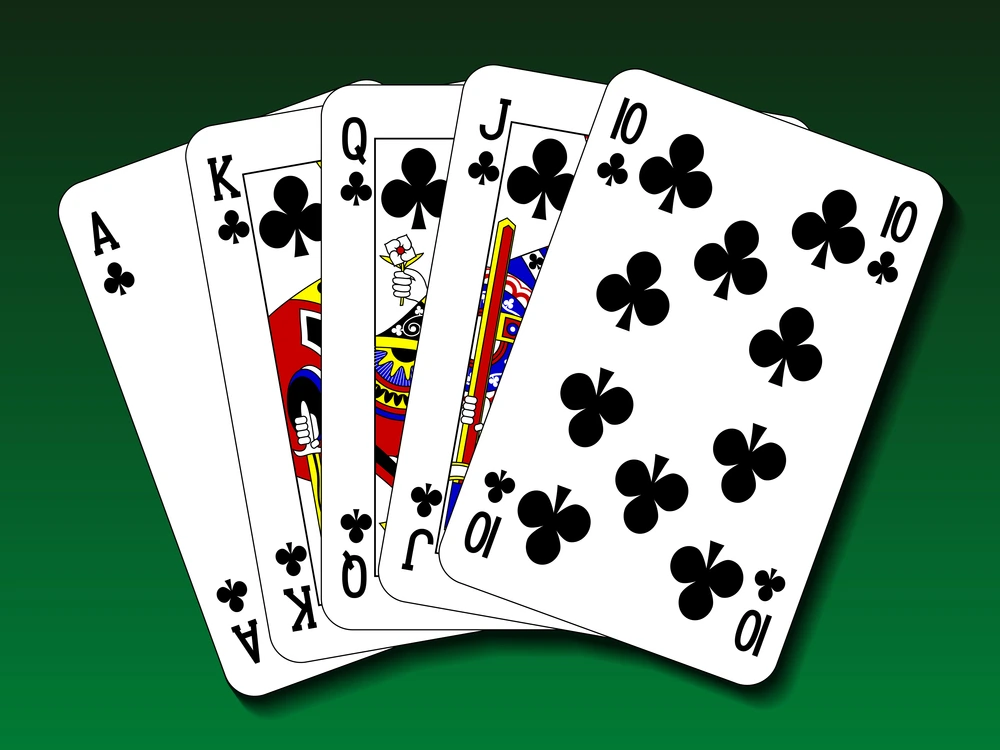
- Royal Flush: This is the highest possible hand in poker, consisting of a ten, jack, queen, king, and ace in the same suit. It’s extremely rare and difficult to achieve, but when you have it, there’s no doubt you’ll win the entire pot.
Card Ranks that Beat a Full House
While the full house is a strong poker hand, it’s essential to understand which card ranks can beat it. A full house consists of three cards of the same rank alongside two cards of another matching rank. The ranking system in poker is crucial for players to comprehend, as it directly influences their decision-making during games.
Firstly, a full house can be beaten by a four-of-a-kind (or quads). This is when a player has all four cards of the same rank. For example, if someone holds four Queens and a ten, it would beat any full house. Getting a four-of-a-kind is relatively rare, so it’s a big deal when it does happen.
Additionally, the incredibly rare straight flush trumps a full house. This is a hand with five cards of consecutive ranks in the same suit. For instance, having the 8, 9, 10, Jack, and Queen of Hearts form a straight flush. In terms of rarity, they’re even less common than four of a kind.
Understanding these higher-ranking hands is crucial for strategic gameplay because it informs players on when they should hold onto their full house or when folding would be the wisest option if there’s a risk of an opponent having a stronger combination. It’s similar to chess, where you constantly evaluate your position on the board and anticipate your opponent’s next move.
Mastering the knowledge of which hands can beat a full house empowers players to make informed decisions at the poker table, ultimately enhancing their chances of success in the game.
As we gain insight into the intricate hierarchy of poker hands, let’s focus on the strategic maneuvers and rules that shape player dynamics at the gaming table.
Player Strategies and Game Rules
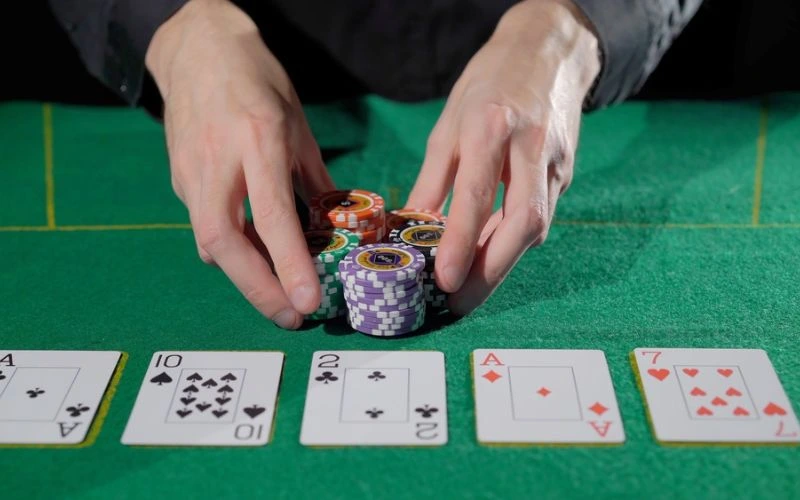
Alright, let’s talk about player strategies. When you’re playing poker, it’s not just about the cards you’re dealt—it’s also about reading the other players at the table. For example, if you have a full house, you might think you’ve got the best hand and bet big. But what if someone else has a flush or, even better, a straight flush? Knowing when to play aggressively and when to hold back is vital.
Strategies can differ greatly depending on the variant of poker being played. Whether it’s Texas Hold’em, Omaha, or any other poker variant, the basic principles of evaluating your hand against the potential hands of your opponents remain consistent. Understanding when to bluff, fold, and raise is crucial to honing your poker strategy.
Here are some key things to remember:
- Reading Other Players: Watch for hints in their behavior or previous moves to try and figure out what kind of hand they have.
- Adjusting Betting Based on Hand Strength: Knowing how much to bet based on whether you think you’re likely to win is important.
- Using Position Effectively: Being in a later position means you get more information from other players before deciding how to play your hand.
Key Considerations in Gameplay
These are just a few examples of what players must remember as they play.
Let’s consider betting rounds and showdowns: In Texas Hold’em, there’s a “showdown” where all the remaining players reveal their cards to see who has the best hand. Knowing whether your hand ranks higher than others can make or break your game. Then there’s the betting rounds—if someone bets big, do you match their bet or fold? These are all important decisions based on game rules and player strategies.
Understanding and implementing effective strategies based on hand strength, opponent behavior, position, and game rules are essential for successful poker gameplay. Staying alert at the table and continually refining these skills are key elements in becoming a formidable poker player.
How Probability and Combinations Impact Gameplay
In poker, everything boils down to numbers – the probability of getting certain card combinations and the likelihood of your opponent holding a stronger hand than yours. It’s not just about having good cards; it’s about knowing the chances of improving your hand and how likely your opponents are to have something even better.
The Community Card Gamble
Most often, players aren’t dealt strong hands initially, relying on the potential of community cards to improve their situation. Calculating probabilities adds complexity to the game but becomes a valuable tool for decision-making. Recognizing the higher likelihood of a flush than a full house can be a game-changer, influencing strategic moves during play.
Bluffing Dynamics
Consider the strategic intricacies of bluffing in poker. When a series of high or medium-value cards of a single suit emerges on the table, the probability of a potential flush increases. This awareness can prompt players to rethink their bluffing tactics or approach bets cautiously, acknowledging the heightened chances of an opponent holding a flush.
Caution in Strong Sets
Despite seemingly low-value individual cards forming a rare set of three matching numbers on the table, understanding their rarity and potential value becomes crucial. This scenario demands caution in decision-making, forcing players to assess whether to adopt an aggressive approach or opt for conservative betting based on the unique probability dynamics at play.
Beyond Probability
While probability plays a significant role, poker is not merely a numbers game. The psychological elements, especially bluffing, can greatly impact outcomes. Achieving success lies in finding the delicate balance between understanding probability and leveraging psychological aspects to craft a comprehensive and effective gameplay strategy.
Elevating the Gaming Experience
Stats

- Probability of getting a flush in a 5-card poker hand: 0.1965 (19.65%)
- The likelihood of getting a full house in a 5-card poker hand: 0.1441 (14.41%)
Check our comprehensive guide on poker games for more insights into refining your poker strategy and enhancing your gameplay experience.


