

The Art of Poker Playing Position: Strategies for Success
This lesson assumes that you have a solid grasp of all the fundamental concepts involved in poker. Understanding position is arguably the most important of these concepts because you can make decisions after you’ve gathered information from your opponent(s). As you progress and develop as a poker player, some of the largest gains in improving your game will come from increasing confidence playing position. It’s easy to play with your strong hands, but it’s the ability to use function and play poker regardless of the strength of your hand that separates the good poker players from the great ones.
Remember that in any poker game, you must first play your opponents’ tendencies. Making a move in position is irrelevant if the person you are playing with can’t put you on a hand. The concepts addressed in this lesson assume your opponent is at least capable of second-level thinking – which is to say that in addition to his cards, he’s also thinking about what you were dealt with.
Pre-Flop Concepts

We’ll start by looking at some poker strategies and tactics that can be employed pre-flop using the power of position. One or two methods focus more on tournament poker than cash games due to the increased emphasis on pre-flop action.
Buying Position
Irrespective of the poker variant or format, it’s common knowledge that leaning toward the side of aggression is more profitable in the long run. One way to use an attack is to buy a position. Let’s say one or two players have limped in ahead of you, and you hold a hand like AJ, KQ, or 77 in the middle class. Depending on stack sizes and your reads, you can argue for calling, folding, or raising. However, by calling, you will often induce others to limp behind you, giving up position, and now you are forced to play based solely on whether you connect on the flop or not. You can move the players behind you to fold by raising, and you have now bought position after the loss.
Re-Stealing in Position
Many players re-steal from the blinds after someone in a late position raises. This is most common in tournament poker. Players frequently re-steal from the blinds because they assume the late position player is stealing and cannot stand a re-raise. However, re-stealing has become more common from the blinds, and people’s games are adjusting to steal from earlier positions such as the hi-jack and middle class to give the appearance of a bigger hand. This is where having a job comes in. It looks like a strong hand by re-raising from the button or cut-off position. It puts significant pressure on the blinds, which fold a hand as strong as AQ and mid-pocket-pairs. In addition, it also tells the original raiser that you have a real hand. Again, this goes back to reading your opponents. Don’t re-steal against the tightest player at the table or someone whose raise has committed them to the hand. Pick your spots versus aggressive opponents, have a wide range pre-flop, and can fold to a re-raise.
Implied Odds + Outplaying Your Opponent
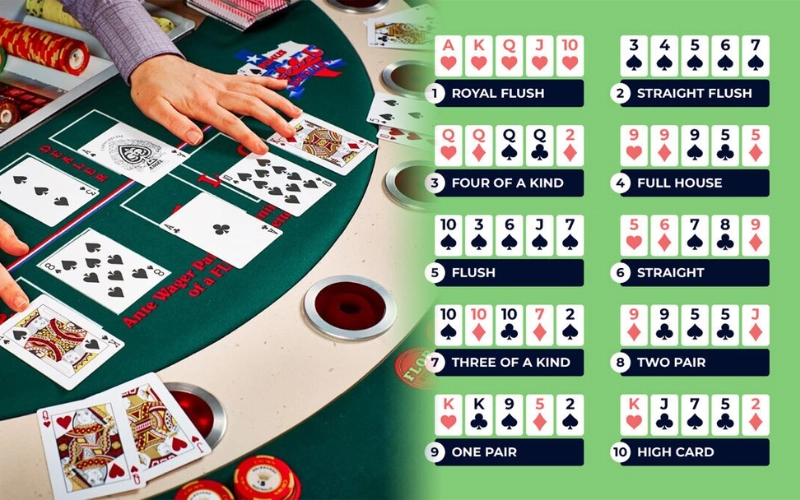
Another benefit of having a position is getting into pots with hands that have heavily implied odds against a pre-flop raiser. These might be suited for middle connectors, small pocket pairs, or low-suited connectors. In these cases, you call a raise in position because it gives you multiple ways to win the pot. It will likely be well disguised if you hit your hand, and you can win a big jackpot. But more importantly, it also allows you to outplay your opponent if you miss your hand because you can make your play based on observing their actions first.
Freezing
Freezing isn’t necessarily a poker play but another benefit of having a position. Calling your opponents raise when you are in place can freeze them in the hand. They intended to steal the blinds, and now that you’ve reached them, they will proceed cautiously. Calling the raise from an opponent who often raises in the middle or late positions can have both short- and long-term benefits. In the short term, they may put the brakes on and let you take down the pot post-flop. The long-term implication is that it sets a tone at the table that if they come in raising, they will fight with their hands, thus deterring them from stealing.
Squeeze Play
A squeeze play occurs when an aggressive player opens the pot; someone calls them in position, and another player (often in the blinds) re-raises. A squeeze play is most effective when the original raiser has a loose range, the caller tends to be passive, and the stack sizes involved do not commit the other players. The re-raise puts pressure on the original raiser because he’s unsure what the middle player will do, and you are effectively “squeezing” the intermediate player. If the intermediate player had a very strong hand, he would have re-raised in the first place. Caution: squeeze plays should be used sparingly and rarely at low buy-ins. In common buy-in poker games, the middle player will call very often because they feel committed to the hand and need to “look you up.” Make sure.” you have a good read on both players to maximize the effectiveness of this poker play.
Inducing a Squeeze Play
In certain situations, you can use position pre-flop to trap your opponents into thinking you are not strong. Since “Harrington on Hold ’em” described the squeeze play, people have added this to their poker arsenal. Because of this, you can use position to trap aggressive players in the blinds by calling a raise with a big pair such as KK or AA, inducing the player to re-raise over the top. Use this play cautiously, however, as the big blind will get good odds of entering the pot.
Post-Flop Concepts
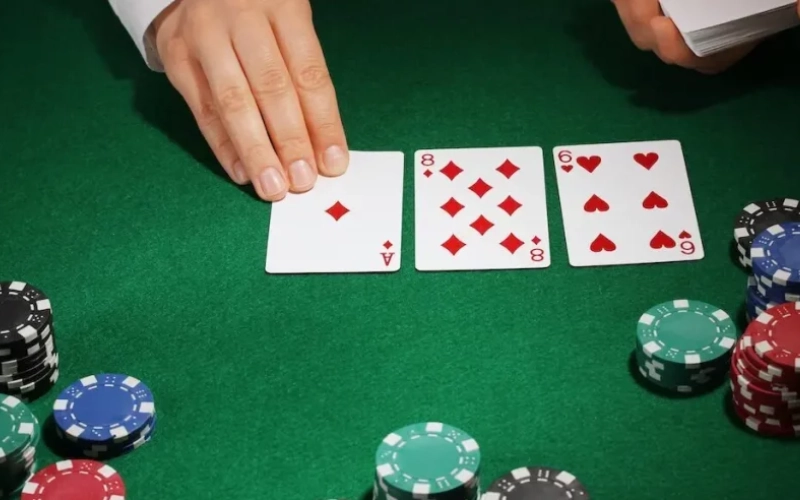
We’ll now look at some key concepts of using position post-flop. These strategies and tactics are suitable for both tournament poker and cash games.
Floating
Floating refers to calling a flop or turn bet when in position to take the pot down on the next street and is used in three primary situations:
- Pot Control
- Bluffing
- Trapping
Let’s start with pot control. Suppose you call a raise in position with a mid-pocket pair such as 88, and the flop comes A64. Your opponent may or may not have an Ace, but they are betting the flop regardless. By calling here, many opponents will shut down on the turn for fear that you have an Ace. You can certainly raise it here to see where you stand, but calling may be better to control the pot’s size depending on your stack size.
Using the float play to bluff can be effective when you know you are up against an aggressive player who almost always makes a continuation bet. You can call the flop with various hands to read how your opponent reacts on the turn. Floating for this purpose becomes even more powerful if there is an obvious draw on the board since you can represent the hand if it hits.
This same tactic can also be used to set a trap. Let’s say you flop a set or some other strong hand and are up against an aggressive player capable of firing on the turn. While raising the flop might sometimes be the better play, depending on your opponent, just calling the loss can make your opponent think you are weak (i.e., floating with a mid-pocket pair) and cause them to bet the turn strongly.
Raising Continuation Bets
Just as you might float versus an opponent you think might be making a continuation bet, you can also mix up your game and raise the flop. In this case, the assumption is that we have also missed the loss and are bluffing in hopes of getting our opponent to fold. Having position allows you to read if your opponent is making a continuation bet based on his bet sizing and the flop’s texture.
Raising Probe Bets
You can also use the power of position against a player who bets out from the blinds. A player will often catch a piece of the flop or have called a raise from the blinds with a pocket pair and place a small bet on the failure to “see where they are at.” The position allows you to tell them exactly where they are – behind (or at least this is what we want them to think). This play is most effective if you originally raised pre-flop because you continue to represent a strong hand.
Conclusion
There are many ways to use position to your advantage. Poker players, for the most part, are acutely aware of the position’s value, but many squander it unless they believe they have a worthy hand to play. The position should be used as a weapon and only wasted when it appears hopeless to become involved. The position is a strong factor; when you possess it, things become easier.
The concepts explained in this lesson are just the tip of the iceberg. The only way to improve at poker is to trust your instincts and put yourself in situations where you can use your position to your advantage. Once you have successfully made plays using your work (and not relying on the strength of your cards), your confidence will grow, and your ability to outplay your opponents will skyrocket.


