

Taming the Titans: Strategies for Facing Aggressive Poker Players
As the game of poker evolves and educational resources (such as Pokerology) are at everyone’s fingertips, more and more players are learning to adopt an aggressive style at the poker tables. Indeed, throughout the lessons on Pokerology, we’ve taught the value of playing a bold type of poker – which is important if you want to be a winning poker player.
While being aggressive is more profitable, many players do not understand how to change gears, and their aggressive poker play becomes predictable. If you are using your observational skills, this predictability will help you identify patterns and make smart decisions.
The Classic TAG and LAG Definitions
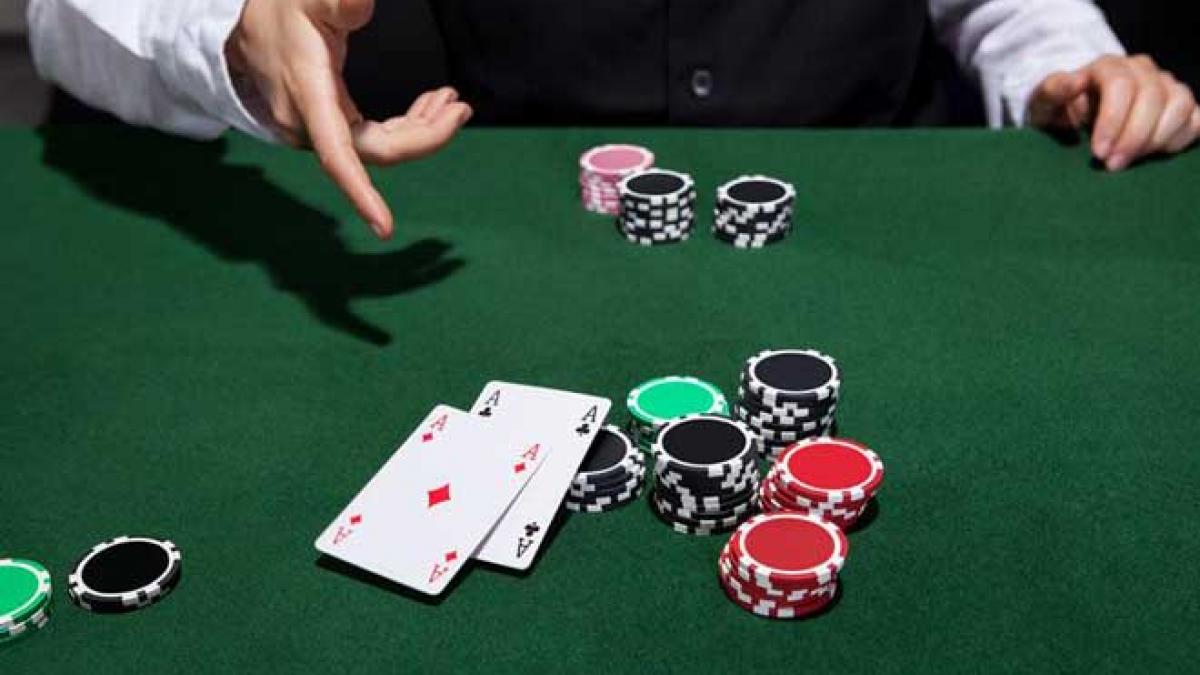
While every player is different, you will encounter three main types of aggressive poker players.
- The Tight-Aggressive (TAG)
- The Loose-Aggressive (LAG)
- The Loose Aggressive/Passive
You should already be familiar with the classic tight-aggressive and loose-aggressive definitions, which we detailed in our beginner lesson about poker playing styles. But the loose, aggressive/passive type of player is a rare breed. They will raise many hands pre-flop but often give up on the flop or turn. Typically, these are former TAGs or tight passives trying to experiment with looser play but are uncomfortable committing to their aggression.
These definitions are a good place to start, but you can’t just put poker players into neatly defined categories. Using your observational skills, you need to understand the spectrum of hands that somebody might be playing with and the degree of aggression they exhibit in their play. This will help you formulate effective strategies against them, which is the goal of this lesson.
Define Their Hand Range
The first step you need to take when playing against an aggressive player is to define their likely hand range. If your opponent is considered a tight-aggressive, how tight is his range? Is your opponent a ‘nit’? This type of player always has a big hand because they play such a narrow range of indicators. Perhaps your opponent is what we might call a ‘standard tight-aggressive – someone who plays the top 10 to 15% of hands.
What if they are loose-aggressive? – the type that will be playing a wide variety of hands and capable of doing so from any position. A typical loose-aggressive player will often bet on most flops and bluff a high percentage of the time. However, there’s a wide spectrum of loose-aggressive players. It’s not just about the hand ranges a player plays, but how aggressively they play their hands. How far will your opponent be prepared to move you off your hand?
The Degree of Aggression
You must know the difference between someone playing aggressively with value hands and bluffing hands. There’s a big difference between someone who raises pre-flop from a late position and continuation bets 100% of the time but then gives up on the turn and someone capable of triple barrelling as a bluff down to the river with complete air.
As far as pre-flop action is concerned, poker players are 3-betting far more frequently. Yet there’s a big difference between someone capable of 3-betting light and someone who will have 4-bet light or even 5-bet light. You need to observe your opponents’ tendencies and understand how far they will go to take you off a hand.
Here are some basic types of aggression you might see from different players.
Pot Stabbers
They are aggressive, but they are also somewhat passive – in that they’ll take one stab at the pot, then they’re going to give up. They might continue 100% of the time but only bet the turn when they act a hand. You want to get into pots with these people and play a position against them. It’s highly profitable, and you should be able to take pots away from them.
Solid Players
Solid players know when to apply pressure and when to put on the brakes. They generally win poker players, the type you don’t want to play against. It doesn’t mean you must avoid playing pots with them, but you don’t necessarily have to test yourself if you’re in a marginal spot. Look for a place that’s going to be more profitable.
Lagtard / Spewtard / Spew Monkey, etc
There are several names for this type of poker player. They are the ones that take aggression to a completely different level. They’re not necessarily bad players but can get drunk with power. They will constantly try and put you to the test. They can build big stacks against people who play scared. However, if you can find a hand or have a good read on them, you can also make a lot of money. These players often don’t know when to put on the brakes and quit.
Strategies to Use Against Them

Now that we’ve mentioned some of the different types of aggressive players you’ll meet at the tables, it’s time to discuss some of the strategies that you can use against them.
Let Them Bet For You
If they are aggressive, let them take the lead in betting if you have a strong hand. Why try to blow them off their writing? Let them bluff and keep throwing chips in the pot.
Feign Weakness
Ask yourself, ‘How would I play this hand if I didn’t have a good hand?’ This might include betting a small amount or checking in certain spots to induce a bluff. You might even check the river with a monster hand because they can’t win without a big bet. It depends on the hand situation, but any time you can feign weakness against someone who will bet strongly, it will generally be profitable.
Open Up Your Value Range
This is the opposite of the old advice:’ Just be patient and wait for a big hand, and then you can trap them.’ But when playing against an aggressive player, you cannot wait for the nuts to play back at them. It won’t happen frequently enough; they will know you have a big hand since you’ve been waiting all day. This is why opening up your value range against some aggressive players is the way to go, depending on the situation. It depends on who you’re playing against. Hands like Ace-Jack offsuit, King-Queen, King-Jack, and middle pocket pairs have super high value against a loose-aggressive player but are weak against a tight-aggressive opponent.
Hand Example – Opening Up Your Range

- No Limit Hold’em Tournament Play
- Blinds: 25/50
- You and your opponent both have 2,500 in chips.
Reads
The player directly on your right has been very aggressive from the start of the tournament. Any time it folds to him in a late position, he has raised 3x of the big blind. While no one has played back at him, he did lose a pot earlier when the big blind called a raise pre-flop and check-raised him on an Ace high flop, resulting in a fold from the LAG. You have been moderately active at the table, seeing some failures and raising a few, but nothing abnormal.
Pre-Flop
You are on the button, and it folds to the LAG in the cut-off. As predicted, he raises to 150. The blind players have about 1,500 chips and have been playing conservatively. You have a strong hand against a habitual late position raiser. You are ahead of the range he will likely be raising with. This could include anything from a low-suited connector, high cards like KT or QJ, or any pocket pair, including 22.
Figure 1
Now, you have many options if you play the pot. With your stack size about the blinds, you can make a case for folding, re-raising, or calling. Since you have a good read on the player, the blinds are conservative players, and you have enough chips, I would call about 50% of the time, raise 30%, and fold about 20%.
With your stack size and the low blinds, calling is probably the best option because you can control the size of the pot. By re-raising, you are bloating the pot with a marginal hand that could be dominated, and a smaller pool allows you to have options on the flop, turn, and river without committing yourself if it turns out he does have a better hand. Re-raising might cause him to fold a worse hand than he would have tried to bluff you.
The Flop

The flop comes. There are 375 in the pot, and your opponent bets 250. What now? Well, there is certainly a chance that he has an Ace with a higher kicker, but you got into this pot with a marginal hand against a very aggressive opponent. You have to expect him to continue the aggression, and you may have the best hand, so you can’t change your mind and get scared now.
Figure 2
There are two ways to approach this hand, and your decision should be based on how he sees your table image and how you both have played previous hands. For example, if you have been playing tight and you raise here, he will usually fold any pointers you are beating. However, if you have recently been pushed off of a hand and are steaming, he could think you are cooking and just making a move, thus playing back at you. Additionally, if you have been shown to have called flop bets with a middle or low-pocket pair and you call now, he might think you don’t have an Ace. He might fire another barrel on the turn with a bluff, trying to represent having an Ace.
Deciding how to play this hand also goes back to his past betting patterns and whether he can fire on the turn with a bluff. If so, I would be more inclined to call here to induce the bluff. If he is the type of player that will only bet the turn with a hand that beats you, then you should raise here to define your hand now while the pot is still small, and you can get away from it if he gives you action.
Without having any strong reads, I would usually stick with the plan to control the pot size by calling and evaluating how he plays the turn. Most players will not fire another strong bet on the turn without a hand.
The Turn
The turn is, and your opponent checks:
Figure 3
Okay, this is a good sign. Unless he runs an advanced slow play, you likely have the best hand here. But should you bet?
You can make a case for it, but that decision also goes back to your read on the player and whether he thinks you have an Ace. You can bet if you think he will call a bet with a worse hand (i.e., weaker Ace, mid-pocket pair, etc.). But based on the size of the pot and your remaining stack, an aggressive player can check-raise here and put you in a tough spot. There are 875 in the pool, and you have 2,100 in your stack. Any reasonable-sized bet (i.e., 600-800) will commit much of your pile, and anything smaller could look like a weak attempt to take it down.
Since the blinds are low and we have likely only been playing with this player for less than an hour, all we know is that he is very aggressive, so I would suggest checking in this spot. We are checking for two reasons: we are controlling the size of the pot in the event we are actually behind here – and to either induce a river bluff or get him to call a river bet with a worse hand.
The River
The river is a, and your opponent bets 500 into the 875 pot:
Figure 4
Since the opponent could have any two cards here and there were no significant draws, there is a high likelihood that your opponent is bluffing. Could he have AJ or some random hand like 87? Sure, but sometimes you have to make decisions based on what is most likely from the information about the player and the way the hand has played out. On this hand, you do call, and your opponent shows for a pure bluff. You may be asking – if we think we are ahead, why not raise? He will likely only call with a hand that beats us. We gain no value if he always folds a worse hand. Sure, he might call with an Ace with a worse kicker, but over the long run, a call likely has a higher expected value.
This example showed how we could open up our value range against a loose-aggressive opponent and how this can pay off – particularly in the long run. But as stated earlier in this lesson, many aggressive players exist. The key point to take away from all this is to get better at observing the play of your opponents – and their specific individual tendencies, both before and after the flop. Understand who you’re playing against and go from there.
Conclusion
In conclusion, facing aggressive poker players is not a trial to be feared but an opportunity to be embraced. By equipping yourself with the strategies outlined in this article and honing your skills through practice, you can transform encounters with these titans of the game into profitable experiences. The poker table is a dynamic battlefield, and by mastering the art of taming the titans, you’ll be better prepared to claim victory, one hand at a time. So, step boldly into the poker world, stay vigilant, and may your strategy always outshine their aggression.


