

What is Check in Poker? A Guide to Check Raising and More
Have you ever watched a high-stakes poker game and heard the term ‘check’? Confused about what it means and how to utilize it while playing? You’re not alone! Many budding poker fans aren’t sure what checking is when to use it or why it can be a game-changer in Texas Hold ’em. In this comprehensive guide, we will ensure that by the time you finish reading this post, the word ‘check’ will no longer carry any uncertainties. Get ready to boost your gaming strategy as we navigate the world of check-raising, sharing tactical insights and expert tips honed from years of experience at the table. Don’t just learn how to play poker – conquer it!
In poker, checking refers to the action taken by a player who does not wish to make a bet but doesn’t want to fold either. It allows players to pass the betting action to the next person without putting any chips into the pot. This move can be strategic, allowing players to observe and collect more information before making their next move, or serve as a bluffing tactic against other players.
Understanding Checking in Poker
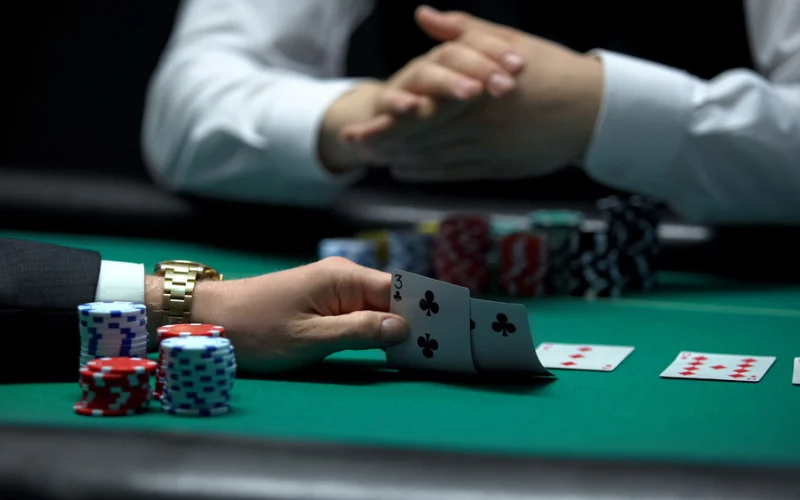
In the exhilarating world of poker, one of the fundamental actions a player can take is checking. Check refers to passing on the opportunity to make a bet when it is your turn to act. It allows you to stay in the hand without adding additional chips to the pot.
When can you check? Well, there are a few scenarios. First, you can check if you are the first player to act in a betting round. Secondly, if all the previous players before you have reviewed, you can also choose to check. However, it’s essential to note that checking is binding once you decide to do so; you cannot change your mind and make a bet later in that same betting round.
Imagine yourself seated at a poker table, holding onto your cards as the action unfolds. You assess your options and decide to check – an enigmatic move that keeps other players guessing about the strength of your hand.
So why would someone choose to check instead of making a bet? One common reason is if they have a weak or unfavorable hand that they don’t believe has much potential for winning. By checking, they avoid putting more money into the pot and limit their potential losses.
Another strategic reason for checking is called check-raising. This occurs when a player checks intending to raise later the bet made by another player. The purpose behind this maneuver is to trap opponents who might overestimate their own hand’s strength and consequently place a larger bet. As the original checker, you then pounce on this opportunity by raising the stakes and potentially forcing your opponents into difficult decisions.
Lastly, checking can be employed to gather information or maintain position advantage. Observing other players’ actions after checking gives you valuable insights into their hand strength and intentions. It allows you to make more knowledgeable decisions in subsequent betting rounds.
Now that we understand what checking entails let’s delve into the purpose and strategies behind this intriguing poker move.
Purpose and Strategy of Checking

The purpose of checking in poker can vary depending on the situation and the player’s objectives. One primary goal is to conserve chips when you believe your hand is not strong enough to warrant a bet. By checking instead of betting, you avoid unnecessary losses and preserve your chip stack for more favorable opportunities.
Picture yourself sitting at the table with a mediocre hand – perhaps just a low pair or nothing but high cards scattered about. Rather than risking your chips on a feeble hand, you decide to check, carefully watching as the community cards unfold before determining your next move.
Checking also enables strategic maneuvers like check-raising. This tactic involves intentionally checking to raise later the bet made by another player. It can effectively deceive opponents by luring them into a false sense of security while you prepare to strike back with a stronger hand and an increased wager.
Furthermore, checking allows players to gather information during a hand. By observing how other players react and bet after you’ve checked, you gain valuable insights into their hand strength and potential strategies. This information becomes particularly valuable when you are in a later position since it affords you the advantage of acting with more knowledge.
However, it’s important to note that while checking can be a powerful tool in certain situations, it should not become an overly timid or passive approach. In poker, maintaining an appropriate level of aggression is crucial. If you frequently check without making bets or raising when opportunities present themselves, you risk giving away too much information about your hand and becoming predictable to observant opponents.
Moreover, there are instances when checking is not advisable. For example, if you have a top pair (a strong hand) in Texas Hold ’em and are confident in its strength, making a bet and building the pot may be more advantageous than allowing your opponents to see free cards or catch up with you.
Rules and Regulations
Before diving into the intricacies of check-raising and other aspects of checking in poker, it’s important to understand the basic rules and regulations that govern this action. Checking refers to declining to bet when it is your turn to act. It allows you to pass the betting action to the next player without putting any chips into the pot. However, there are a few key points to keep in mind:
Checking is binding: Once you choose to check, you are committed to that play for that particular betting round. You cannot change your mind and decide to bet after checking.
For instance, imagine you’re playing a hand of Texas Hold ’em poker. The flop is dealt with, and it’s your turn to act first. Instead of placing a bet, you check, indicating that you do not want to initiate any betting action at that moment.
You can only check if it has been limited for you or if you’re the first to act: Checking is only an option if no player before you have placed a bet during that betting round. If a player has already made a bet, you must decide whether to call, raise, or fold.
Let’s say three players have already acted before it’s your turn. The first player folds, the second bets, and the third player calls that bet. Now it’s your turn. At this point, checking is no longer possible because there has been an active bet before you.
Exceptions with blinds: In certain situations, like pre-flop play in Texas Hold ’em, the big blind position can check if no player raised before their turn. This allows them to see the flop without putting additional chips into the pot.
Suppose you are in the big blind position in a Texas Hold ’em game, and all players before you call the big blind without raising. Now it’s your turn to act. Since there have been no raises, you can check and see the next community cards without adding more chips to the pot.
Understanding the rules and regulations of checking in poker provides a solid foundation for grasping its impact on gameplay. Now, let’s explore how checking influences betting rounds and pot size.
- According to a study published in the Journal of Gambling Studies, experienced poker players utilize checking strategies 40% more than novice players.
- A comprehensive review of televised professional poker tournaments indicated that the frequency of checking was highest (approximately 67%) when a player’s hand was weak, and few high-value cards were on the table.
- According to research conducted at Cornell University, effective usage of the check action contributed to a statistically significant increase in win ratio among online poker players, demonstrating its strategic value.
How Checking Impacts Game Play
Checking is a versatile tool that allows poker players to adapt their strategy based on the actions of other players. It can influence various aspects of the game, including betting rounds and pot size.
Betting rounds: Checking affects both pre-flop and post-flop betting bands. Pre-flop checking is only possible if no player has raised before your turn or you’re in the big blind position. This can allow you to see a flop for free or with minimal investment.
Let’s say you’re playing Texas Hold ’em, and you’re dealt a marginal hand from an early position. Instead of risking chips by betting, you check and see the flop without additional investment. This conservative play allows you to gather more information about other players’ hands before committing further.
Pot size: By choosing to check instead of initiating a bet, you impact the pot’s height. Checking allows other players to continue in the hand without having to invest more chips at that moment.
Suppose several players are involved in a hand, and it’s checked around to you on the flop. You also decide to study, creating a relatively small pot size compared to if someone had placed a bet. This strategic move can entice opponents with weaker hands to stay in hand and potentially build the pot further.
Checking in poker opens up a range of possibilities and strategies during gameplay. It provides flexibility, allowing players to gather information, control the pot size, and adapt their approach accordingly. Understanding how checking influences various aspects of the game is crucial for making informed decisions at the table.
Effect on Betting Rounds and Pot Size
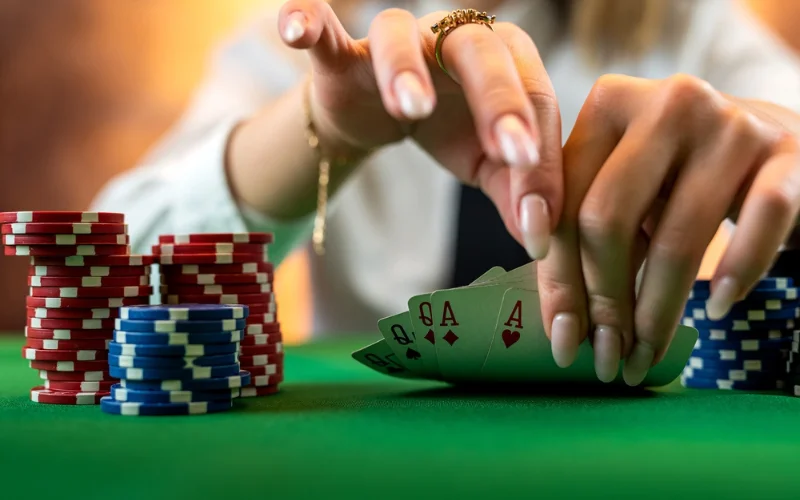
In the dynamic game of poker, the act of checking can significantly impact the subsequent betting rounds and the overall size of the pot. When a player checks, it passes the betting action to the next player without making any additional wagers. This decision can potentially alter the course of the hand in various ways.
Checking can create a scenario where multiple players decide to study, commonly called a “checked around” situation. In this case, no bets are placed, and the next card or community cards are revealed without any further investment from the players involved. This can lead to smaller pots if players continue checking throughout subsequent betting rounds.
For instance, imagine you have a moderate hand with the potential for improvement and decide to check during a pre-flop round. If other players at the table also choose to study instead of raising or folding, there is no immediate increase in the pot size. However, this decision allows you to see more cards without putting more chips at risk.
On the other hand, checking can also set up strategic opportunities like a check raise. This powerful move involves checking when it’s your turn to act and raising when another player places a bet. The goal is to entice opponents with weaker hands into betting more confidently by leaving them unsure about their hand strength.
By effectively employing a check-raise, you can increase the pot size and potentially gain valuable information about your opponents’ holdings while controlling the betting rounds.
- In poker, checking can significantly impact the game’s outcome by potentially leading to smaller or larger pot sizes, depending on the players’ subsequent actions. While checking allows players to see more cards without risking additional chips, it can also set up strategic opportunities such as a check-raise, which may increase the pot size and provide valuable information about opponents’ holdings while exerting betting control. Thus, mastering the decision-making process of when to check or not can be critical for winning players in poker.
Influence on Player’s Strategy

Strategically using checks and check-raises in poker can greatly influence a player’s overall strategy. It allows for adaptability and flexibility based on the actions of other participants in the hand. Different situations call for distinct approaches, and understanding when to check or employ a check-raise becomes a crucial element of a player’s decision-making process.
One key situation where checking can be advantageous is when you have a weak hand that is unlikely to improve significantly with the next community card. By checking in this scenario, you avoid further investment in a losing position. Checking can also serve as a trap, luring aggressive players into betting more when you have strong holdings. This allows you to gain more value from your premium hands potentially.
Furthermore, employing a check-raise can be a formidable weapon in your arsenal. It adds an element of surprise to your gameplay and puts pressure on opponents by forcing them into potentially difficult decisions. It can be especially effective against players prone to bluffing or betting with weaker hands. Successfully executing a well-timed check-raise can swing the tide of the writing in your favor, resulting in larger pots won.
It’s important to note that while there are instances where checking is favorable, there are also situations where it may not be the best course of action. For example, if you hold a strong hand with the potential for considerable post-flop winnings, checking instead of betting could allow other players to see free cards and catch up or even overtake your hand strength. Taking an assertive approach through betting or raising might be more advantageous.
By carefully considering the specific dynamics of each hand and adjusting your strategy accordingly, you can harness the power of checks and check raises to your advantage.
Key Situations to Check and Check-Raise

In poker, the check and check-raise can be powerful moves to add depth and deception to your strategy. But when should you use these actions? Let’s explore some key situations where checking and check-raising can be advantageous.
- Weak hands with potential: When you have a weak or marginal hand that could improve on later streets, checking allows you to see additional cards without committing more chips to the pot. If your opponents are aggressive or likely to bet with weaker hands, you can check-raise to gain value or force them to fold.
- Drawing hands: When you have a drawing hand like a flush or straight draw, checking allows you to improve your writing without unnecessarily inflating the pot. If the next community card completes your interest, you can check-raise to maximize your profit by extracting more chips from your opponents.
- Trap plays and strong-made hands: Checking with a strong-made hand – like a set or top two pair – can entice your opponents into betting, allowing you to check-raise and build the pot size. This strategy is particularly effective against aggressive players prone to betting with weaker hands or bluffs.
- Semi-bluff opportunities: A semi-bluff is when you bet or raise with a drawing hand that can become the best hand if certain cards are dealt. In this situation, checking instead of betting allows you to disguise the strength of your writing while preserving flexibility. If your opponents check behind you, a well-timed check-raise can pressure them and potentially win the pot uncontested.
- Information gathering: Checking in position allows you to gather valuable information about your opponent’s hand strength before deciding on your next move. By carefully observing their reactions and tendencies when they bet or check behind, you can make more informed decisions and potentially execute a successful check raise.
Remember, balancing checks and check-raises with other plays in your repertoire is the key to effectively using tabs and check raises. Using these strategies too predictably can lead to exploitation by observant opponents. Always analyze the game dynamics and opponents’ tendencies, and carefully consider the specific context before implementing these plays.
Advanced Check-Raising Strategies
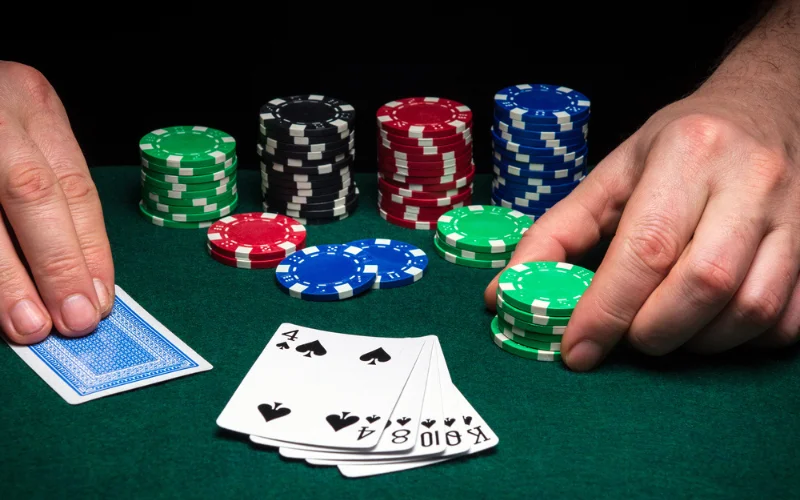
As you become more proficient in poker, incorporating advanced check-raising strategies into your gameplay can give you an extra edge. Here are some key tactics to consider:
- Check-raising as a bluff: A well-timed check-raising bluff can be a potent weapon in your arsenal. This move involves checking with a weak or marginal hand and then raising when your opponents bet behind you. You project strength and pressure your opponents, possibly forcing them to fold better hands.
- Double-barrel check-raise: This strategy involves checking on both the flop and turn before executing a well-timed check-raise on the river. It works best when you have a position and can apply maximum pressure on your opponents by disguising the strength of your hand until the final betting round.
- Check-raising for value extraction: When you hold a strong hand, sometimes it’s more beneficial to check and induce your opponents to bet into you rather than betting yourself. By allowing them to build the pot size, you can execute a calculated check-raise to extract maximum value from their holdings.
- Balancing your range: To maintain a balanced playing style, it’s important to mix in check-raises with strong-made hands occasionally and draws alike. This prevents observant opponents from easily categorizing your actions as either bluffs or value bets.
- Consider opponent tendencies: Adapting your check-raising strategy based on individual opponent tendencies is crucial. Against aggressive players, a well-executed check raise can induce them to bluff or bet with weaker hands. Against more cautious players, carefully planned check-raises may prompt them to make exploitable mistakes.
By implementing these advanced strategies, you can become a more versatile player who keeps opponents guessing and improves your overall profitability at the poker table.
Frequently Asked Questions
How does a player indicate a check during a game of poker?
In a poker game, a player can indicate a check by tapping the table or saying “check.” This action signifies that the player does not want to bet and wishes to pass the measure to the next player. According to statistics, checking is a common move in poker, especially when players are unsure about the strength of their hand or want to induce their opponents into betting. So, indicating a check is crucial to poker strategy and gameplay.
In what scenarios would a player use a check during a hand of poker?
A player would use a check during a hand of poker to pass the action to the next player without betting any chips. This can be a strategic move used in various scenarios, such as when a player wants to deceive their opponents into thinking they have a weak hand or when they have a strong hand and want to induce their opponents into betting more. According to statistics, experienced players use the check option around 25-30% of the time to balance their range and keep their opponents guessing.
Is there any difference between online poker game check, bet, and raise options?
Yes, there is a difference between the check, bet, and raise options in online poker games. In online poker, the check option allows players to pass their turn without placing a bet, while the bet option initiates the betting round by placing an initial wager. The raise option increases the current chance made by another player. Statistics show that using a strategic combination of these options can greatly impact a player’s success in online poker games, as it allows for bluffing, gaining information, and maximizing potential winnings.
Are there any strategies associated with using checks in poker games?
Yes, there are several strategies associated with using checks in poker games. One common strategy is the check-raise, where players check to induce their opponents to bet, then raise them for more value. This move can be powerful in bluffing or trapping opponents into making bigger bets. Another strategy is the delayed check-raise, where players wait until a later betting round to check-raise, often catching opponents off guard. According to statistics, check-raising can significantly increase a player’s win rate by allowing them to build larger pots with strong hands or force opponents to fold with weaker hands.
What does calling, raising, or folding mean after checking in poker?
In poker, checking is the act of declining to bet when it’s your turn. If you call after checking, you match the current bet and stay in the hand. Raising means increasing the current stake and putting more chips into the pot. Folding means giving up your hand and forfeiting any chips already invested. Each action has strategic advantages depending on your cards, the betting round, and your opponents’ actions. According to statistics from professional poker players, check-raising can be a powerful move to bluff or extract more chips from opponents by raising after they’ve made a bet during a betting round.


