

The War Card Game: A Classic Battle of Luck and Strategy
The world of card games is vast and diverse, offering players a plethora of options to choose from. While poker, blackjack, and solitaire are among the most popular, one timeless classic often gets overlooked – the War card game. This simple yet engaging game has been enjoyed by generations, offering a blend of luck and strategy that keeps players returning for more. In this article, we will delve into the world of War, exploring its rules, procedures, and the enduring appeal it holds for card game enthusiasts.
A Brief History of War
Before we dive into the rules and strategies of the War card game, it’s essential to understand its origins. War, also known as “Battle” in some regions, has a history that dates back centuries. While the origin of the game remains shrouded in mystery, it is believed to have evolved from simpler card games played in Europe during the 16th century.
Over the years, War has been played in various forms and under different names across the globe. Its simplicity, requiring only a standard deck of playing cards, has made it accessible to people of all ages and backgrounds. In the digital age, War has found a new home online, where players can enjoy this classic card game anytime, anywhere.
The Rules of War
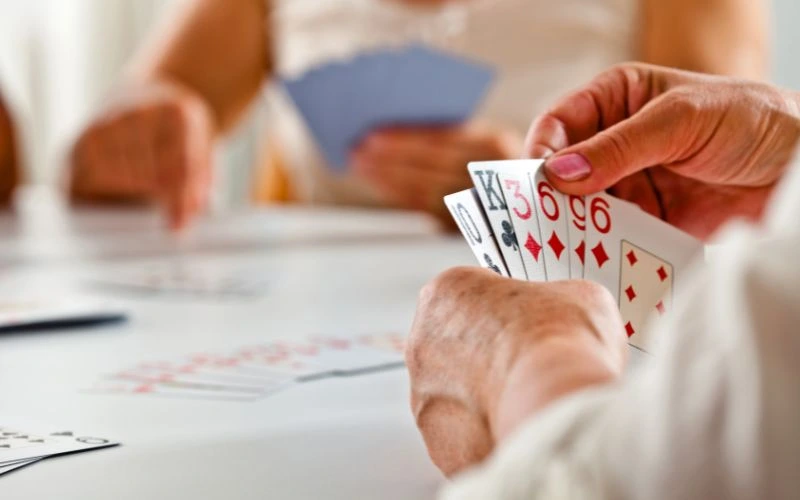
War is a game typically played with a standard 52-card deck. It can accommodate two or more players, although it’s most commonly played by two. The game’s objective is to win all the cards or, in some variations, to accumulate the most cards by the end of the game.
Here are the basic rules of War:
Setup
- Shuffle the deck of cards thoroughly and deal the entire deck evenly among the players. If there is an uneven number of cards, some players may have one more card than others, which is acceptable.
Gameplay
- Each player keeps their stack of cards face down in a pile, and they take turns simultaneously flipping over the top card of their stack.
- The player with the highest-ranking card wins both cards and places them at the bottom of their stack. In case of a tie, a “war” is declared.
War
- When a war occurs, each player places three cards face down and one face up. The player with the highest-ranking face-up card wins all the cards in the War. If there is another tie, the process repeats until one player wins.
- Players may also agree to variations in the rules, such as doubling the number of cards in a war or allowing consecutive battles in case of ties.
- The game continues until one player has all the cards or a predetermined number of rounds have been played.
Strategies for Success

While War is often regarded as a game of pure chance, there are some strategies you can employ to increase your chances of winning:
Card Counting
Keep track of the cards played to understand which cards remain in the deck. This can help you make more informed decisions during wars.
Winning Percentage
Calculate the winning percentage for each card in your deck. This will give you an idea of the likelihood of winning when each card is played.
Aggressive Play
Consider adopting an aggressive playstyle. When faced with a war, you can choose your highest-ranking cards first to increase your chances of winning the entire War.
Mind Games
While War is primarily a game of chance, you can try to outwit your opponent with psychological tactics. Pay attention to their reactions and adjust your strategy accordingly.
Rule Variations
Explore different rule variations to add complexity and excitement to the game. These variations can include increasing the number of cards in a war or introducing special rules for certain cards.
The Enduring Appeal of War
What makes War a beloved classic among card games? Its enduring appeal lies in its simplicity, accessibility, and the thrill of uncertainty. Here are some reasons why players continue to enjoy War:
Nostalgia
For many, War is a game they played during childhood, creating fond memories they cherish.
Quick and Easy
War is incredibly easy to learn and play, making it an ideal choice for social gatherings or when you want a quick card game fix.
Equal Playing Field
Since the game relies heavily on luck, players of all skill levels have a chance to win, making it inclusive and fun for everyone.
Endless Variations
War’s basic rules can be easily adapted and modified to create new game versions, adding variety and excitement to each session.
Online War Card Games

Numerous websites and mobile apps offer digital versions of War, allowing players to compete against virtual opponents or real players worldwide. These online platforms often come with sleek interfaces, customizable rules, and social features, enhancing the gaming experience.
Multiplayer Mode
Many digital War card games enable players to challenge their friends or other online players in real-time multiplayer mode, recreating the game’s social aspect even in a virtual setting.
Variations and Customization
Digital War games often provide options for customizing rules, such as adjusting the number of cards in a war or introducing special power-ups, which can add depth and excitement to the gameplay.
Stat Tracking
Online versions of War usually have features like stat tracking and leaderboards, allowing players to monitor their progress and compete for top rankings.
War Card Game Apps

With the proliferation of smartphones and tablets, War card game apps have become increasingly popular. These apps offer the convenience of playing War on the go, whether waiting for a friend, commuting, or simply relaxing at home.
Offline Play
Most War card game apps include an offline mode, enabling players to enjoy the game without an internet connection. This makes it a great option for travel or situations with limited connectivity.
Single-Player Challenges
Some apps come with single-player challenges, where players can test their skills against computer-controlled opponents of varying difficulty levels.
Educational Benefits

Beyond its entertainment value, War offers several educational benefits for players of all ages:
Mathematical Skills
War involves comparing card values and understanding probabilities, which can improve mathematical skills and strategic thinking.
Patience and Concentration
The game requires patience, concentration, and abstaining, even during long wars. These skills can be valuable in various aspects of life.
Social Interaction
Playing War with friends or family fosters social interaction, communication, and healthy competition, enhancing interpersonal skills.
Conclusion
The war card game has come a long way since its humble origins, evolving to adapt to the digital age. Whether you prefer the tactile feel of physical cards or the convenience of digital platforms, the core appeal of War remains intact. It’s a game that offers a perfect blend of luck and strategy, making it enjoyable for players of all backgrounds and skill levels.
So, whether you’re a seasoned card shark looking for a quick game or a beginner eager to learn a classic, the War card game is a timeless choice that can be enjoyed in its traditional form or the digital realm. With its enduring popularity and accessibility, War continues to captivate and entertain card game enthusiasts worldwide. So, gather your physical or virtual cards and engage in an exciting battle of War – the game that never gets old.


