

Mastering 2-7 Triple Draw Poker for Lowball Success
Poker enthusiasts are always on the lookout for new and exciting game variations. If you’re one of them, you might want to give 2-7 Triple Draw a try. This unique form of poker offers a refreshing change of pace from the more common Texas Hold’em and Omaha variants. In this comprehensive guide, we’ll dive deep into the world of 2-7 Triple Draw poker, covering everything from the rules and hand rankings to effective strategies for success at the tables.
Understanding 2-7 Triple Draw Poker

2-7 Triple Draw is a unique poker variant aiming to create the lowest possible hand. Forget about high cards and embrace the challenge of crafting the perfect low hand. Discover the intricacies of this fascinating game, from the basics to hand values, and start your journey to lowball mastery.
What is a 2-7 Triple Draw?
2-7 Triple Draw is a lowball poker game where the goal is to make the lowest possible hand. Unlike traditional poker games, the best hand in a 2-7 Triple Draw is 2-3-4-5-7, with straights and flushes not counting against you. A “wheel” (2-3-4-5-7) is the perfect hand, while pairs and high cards are undesirable.
The Basics: 2-7 Triple Draw Hand Values
In 2-7 Triple Draw, understanding hand values is crucial. The lowest possible hand, 2-3-4-5-7, is the best hand you can have. Ace is the highest card in this game, so any hand with an Ace is generally considered weak. Pairs and straights are not desirable in 2-7 Triple Draw, so your goal is to make a hand with the lowest possible cards.
How to Play 2-7 Triple Draw
2-7 Triple Draw is typically played with 2-6 players and uses a standard 52-card deck. Each player is dealt five cards, and the game consists of four betting rounds. The goal is to draw new cards and improve your hand throughout these rounds while keeping your cards hidden from your opponents.
Mastering 2-7 Triple Draw Strategy

Success in 2-7 Triple Draw hinges on a well-crafted strategy. Learn the art of starting hand selection, drawing wisely, and employing calculated bluffs. With a solid strategy, you’ll be equipped to outmaneuver opponents and climb the ranks of this captivating lowball poker game.
2-7 Triple Draw Strategy
To excel at 2-7 Triple Draw, you’ll need a solid strategy. Here are some key tips:
- Starting Hand Selection: Begin with a strong starting hand, ideally containing low cards. Avoid hands with high cards or pairs.
- Drawing Strategy: In the drawing rounds, decide how many cards to discard and replace. The goal is to build the lowest hand possible, so aim to replace high cards with lower ones.
- Bluffing: Bluff sparingly but strategically. Since players are trying to make the lowest hand, they might fold if they perceive weakness.
2-7 Triple Draw Betting Actions
Understanding the betting actions in 2-7 Triple Draw is vital for success:
- Ante: Players must make an initial bet called the ante to start the hand.
- Betting Rounds: There are four betting rounds in each hand, and players can choose to fold, call, or raise during each round.
- Showdown: After the final betting round, the remaining players reveal their hands, and the player with the lowest hand wins the pot.
2-7 Triple Draw Hand Rankings
Knowing the hand rankings is crucial:
- Perfect Hand: The best hand is 2-3-4-5-7, the “wheel.” It’s unbeatable.
- Smooth Hand: A smooth hand contains low cards, but it may not be as low as the wheel. For example, 2-4-5-6-7.
- Rough Hand: A rough hand consists of high cards or pairs, which are undesirable in 2-7 Triple Draw.
Difference Between Perfect, Smooth, and Rough in 2-7 Triple Draw
Understanding the distinctions between perfect, smooth, and rough hands can help you make better decisions during gameplay. Excellent hands are the best; smooth hands are decent but not optimal, and rough hands should be avoided.
Common Mistakes to Avoid in 2-7 Triple Draw Poker
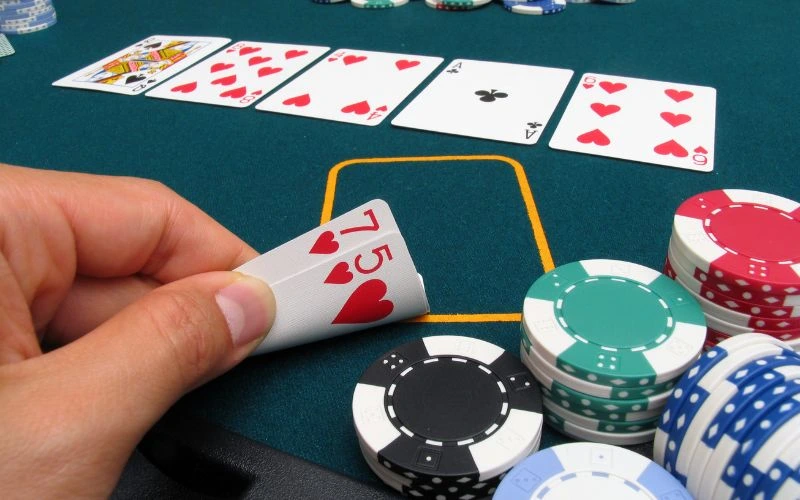
Now that you have a solid understanding of the rules, strategies, and hand rankings in 2-7 Triple Draw poker, you must know some common mistakes players often make. Avoiding these errors can significantly improve your chances of success at the tables.
Overvaluing High Cards
One of the most prevalent mistakes in 2-7 Triple Draw is overvaluing high cards. In traditional poker games like Texas Hold’em, high cards are valuable, but in 2-7 Triple Draw, they can be a liability. Remember that the goal is to make the lowest hand, so high cards should be discarded whenever possible. Don’t become attached to them.
Drawing Too Many Cards
Another mistake beginners often make is drawing too many cards in the hopes of improving their hands dramatically. While drawing is essential in this game, drawing too many cards can backfire, leaving you with a rough hand. Instead, focus on making calculated draws that improve your hand without risking too much.
Ignoring Position
The position is a critical factor in 2-7 Triple Draw, just as in other poker variants. Players in later positions have an advantage because they see what their opponents do before making decisions. Don’t neglect the importance of position when deciding whether to fold, call, or raise.
Neglecting Bluffing Opportunities
Bluffing is a valuable tool in 2-7 Triple Draw poker, but many players neglect it. Since players aim for low hands, they may fold if they perceive weakness. Strategically bluffing can lead your opponents to make mistakes and fold stronger hands, giving you an edge.
Failing to Adapt to Opponents
Every poker player has a unique playing style, and it’s essential to adapt your strategy accordingly. Pay attention to your opponents’ tendencies and adjust your gameplay. If a player consistently draws many cards, you might want to tighten up and wait for a strong hand to capitalize on their mistakes.
Not Practicing Enough
As with any poker variant, practice makes perfect. Many players dive into 2-7 Triple Draw without sufficient practice, leading to losses. Start with low-stakes games or play online to gain experience and refine your skills before taking on more formidable opponents.
Conclusion
In conclusion, mastering 2-7 Triple Draw poker requires understanding the rules, honing your strategy, and avoiding common mistakes. By staying vigilant, adapting to your opponents, and practicing regularly, you can enhance your skills and enjoy the thrill of this unique and engaging poker variant. Remember that success in 2-7 Triple Draw comes with experience, so keep playing and refining your game to become a true poker pro.
FAQs
1. Is 2-7 Triple Draw a popular poker variant?
Yes, 2-7 Triple Draw is a niche poker variant that appeals to players looking for a unique and challenging poker experience.
2. What is the significance of the “wheel” hand in the 2-7 Triple Draw?
The “wheel” hand, consisting of 2-3-4-5-7, is the best possible hand in the 2-7 Triple Draw, and it cannot be beaten. It’s the ultimate goal for players in this game.
3. How can I improve my 2-7 Triple Draw skills and strategy?
To enhance your 2-7 Triple Draw skills, practice is key. Familiarize yourself with the hand rankings, learn when to draw and when to fold, and practice your bluffing skills in low-stakes games.


