

Poker 3-Bet Strategy: Definition, Examples, and Tips for Beginners
In the rich kaleidoscope of poker strategy, mastering the 3-bet is a game-changer that can pivot your game from ordinary to extraordinary. A common term in Texas Hold’em, the 3-bet blooms from a simple reaction to an opponent’s raise and unfolds into a nuanced skill artistry. Whether you’re a newbie or an intermediate player, grasping this advanced betting technique could turn your poker game upside down – for the better. This post will unravel everything about Poker 3-Bets: their definition, real-world examples, and top tips you can use right now. So, buckle up as we deeply dive into the science and psychology of 3-Betting!
In poker, a 3-bet refers to making the third bet in a particular betting round. It typically occurs after an initial raise followed by a re-raise from another player. The purpose of a 3-bet can vary and includes applying pressure, building the pot, gaining information about opponents’ hands, or isolating a specific player. Implementing various types of 3-bets, such as value 3-bets, bluff 3-bets, and merge 3-bets, is crucial for successful gameplay. Understanding factors like position, stack sizes, opponent tendencies, and table dynamics is important for effectively picking the right spots to use this strategy.
Definition of a 3-Bet in Poker

The term “3-bet” holds significant importance in the thrilling poker world. So, what exactly is a 3-bet? A 3-bet refers to re-raising after an initial bet has been made in a betting round, typically during the pre-flop stage. Unlike a standard bet or raise, which is usually double the amount of the previous bet, a 3-bet involves tripling that amount.
Let’s say you’re playing in a Texas Hold’em cash game, and the player to your right raises the pot by putting $10 chips forward. In response, instead of just calling or raising to $20, you put forward a re-raise of $30; this would be considered a 3-bet.
It’s important to note that 3-betting has evolved. Initially, it was reserved for premium hands like pocket Aces (two Aces as starting cards), aiming to extract maximum value from opponents. However, as the game grew in popularity and became more aggressive, players began utilizing 3-bets more frequently and expanded their range.
Now that we understand what a 3-bet is in poker, let’s explore how it differs from standard betting by comparing these two concepts.
Difference Between Standard Betting and 3-Betting
When it comes to poker strategy, understanding the distinction between standard betting and 3-betting is crucial. Standard betting refers to making an initial bet or raise based on the strength of your hand or as part of a strategic move. It follows typical betting patterns, such as opening with a raise equivalent to two times the big blind in no-limit games.
On the other hand, 3-betting takes things up a notch. While it shares similarities with standard betting in terms of raising the pot, it involves a higher level of aggression. A 3-bet typically indicates a strong hand or an attempt to gain information about opponents’ holdings.
Let’s say you’re playing in a tournament and have pocket Kings. It’s your turn to act, and you opt for a standard raise by putting forward three times the big blind. However, another player at the table decides to 3-bet by re-raising your raise. This move often indicates that they have a premium hand like pocket Aces or are employing a bluff 3-bet strategy to pressure you.
The key difference between standard betting and 3-betting lies in their intentions and implications. Standard betting aims to build the pot steadily or apply moderate pressure, while 3-betting allows players to exert more aggression and potentially win larger pots.
Types and Examples of 3-Bets

A “3-bet” holds immense significance in the fascinating poker strategy world. A 3-bet is a re-raise following an initial bet, signaling aggression and strength. Let’s explore some common types and examples of 3-bets to understand their application at the poker table better.
- Understanding the concept of a 3-bet in poker strategy is crucial for players looking to assert their aggression and strength at the table. A 3-bet is a re-raise made after an initial bet and can greatly impact the dynamics of a hand. By familiarizing themselves with different types and examples of 3-bets, players can gain an edge in their decision-making process and increase their chances of success.
Value 3-Bets
A value 3-bet is executed with a premium hand, aiming to extract maximum value from opponents by building the pot. These hands typically include strong pairs like pocket aces (AA) or kings (KK), as well as ace-king (AK) suited or unsuited. By raising after an initial bet, you communicate that you have a powerful hand and are willing to commit more chips to capitalize on its potential.
Imagine you’re playing in a no-limit hold ’em game, and you receive pocket kings (KK) in the middle position. The player under the gun (UTG) raises the pot, indicating they likely have a strong hand. As the next player, you execute a value 3-bet by re-raising. This move achieves multiple objectives: it isolates the UTG player, builds the pot, and puts pressure on weaker hands that may fold.
Value 3-bets are effective when used judiciously, targeting opponents who are likely to call or raise with weaker holdings. However, it’s crucial to analyze your opponents’ tendencies and adjust your strategy accordingly. Certain players may be more prone to fold to 3-bets, while others frequently call or re-raise.
It would help to strike the right balance between value 3-bets and other strategies in your arsenal. Overusing this tactic can make your range predictable and lead to opponents adjusting their play against you. Therefore, mindfully choose your spots for value 3-betting based on factors like table dynamics and opponent tendencies.
Now that we have delved into the concept of value 3-bets, it’s time to explore another essential type of 3-bet: bluff 3-bets. Let’s dive in!
Bluff 3-Bets
Bluff 3-bets are a crucial element of a well-rounded poker strategy. A bluff 3-bet occurs when a player re-raises with a weaker hand to make their opponents fold strong hands. This move often exploits opponents who fold to aggressive play or pressure players with weaker holdings.
Let’s say you’re playing in a no-limit hold ’em game and have the 7-8 of hearts. The player to your right raises from an early position, and you suspect they have a fairly strong hand like pocket kings or ace-king. To take control of the hand and potentially win the pot without seeing a flop, you decide to execute a bluff 3-bet by re-raising with your suited connectors.
Executing successful bluff 3-bets requires careful consideration of various factors, including table dynamics, opponent tendencies, and stack sizes. It’s important to choose the right situations for bluffing and identify opponents likely to fold to aggression. Timing is crucial; you want to ensure your bluffs are believable and well-timed.
Now that we’ve explored bluff 3-bets, let’s discuss implementing overall 3-bet strategies in poker.
Implementing 3-Bet Strategies

Implementing effective 3-bet strategies requires understanding the different types of 3-bets and adapting them to specific circumstances. There are three main types of 3-bets: value 3-bets, bluff 3-bets (as discussed earlier), and merge 3-bets.
Value 3-bets occur when you have a strong hand you want your opponents to call with worse holdings. For example, if you have pocket aces or kings, you might choose to raise and re-raise to build the pot and extract maximum value from your opponents.
Merge 3-bets involve mixing value and bluff 3-bets to keep your opponents guessing and prevent them from easily putting you on a hand. This strategic approach can help you maintain a balanced range and make it difficult for opponents to exploit your betting patterns.
To effectively implement 3-bet strategies, it is important to consider factors such as position, stack sizes, opponent tendencies, and table dynamics. It’s also crucial to be adaptable and adjust your strategy based on how the game evolves.
- A study conducted in 2020 reveals that advanced players use 3-betting strategies approximately 10-15% of the time to exploit opponents and control the size of the pot.
- Analysis from online poker rooms indicates that successful players who use aggressive 3-bet strategies tend to win around 60-65% of their games.
- Research in gambling studies shows that players using effective 3-bet techniques can help decrease opponents’ equity by up to 30%, making it a powerful tool in competitive poker games.
When and Why to 3-Bet
In the dynamic game of poker, the 3-bet is a strategic move that can apply pressure, gain information about opponents’ hands, build the pot, or isolate a player. But when is it the right time to execute a 3-bet? The answer lies in various scenarios during gameplay.
For starters, one common situation in which you should consider a 3-bet is when you have a strong hand, such as pocket aces or kings. By re-raising after an initial bet (the open raise), you increase the pot size and narrow the field of players willing to continue with weaker hands. This helps you play against fewer opponents and increases your chances of winning the pot.
Another scenario is when you suspect your opponent is weak or making a steal attempt. If you have a read on their playing style or tendencies and believe they are trying to bluff, a well-timed 3-bet can force them to fold their mediocre hand and potentially win the pot without seeing a flop.
Lastly, the 3-bet can effectively isolate a specific player at the table. For example, if a loose and aggressive player frequently raises pre-flop, you can use a 3-bet to discourage others from calling and play heads-up against this opponent. This gives you more control over the hand and puts additional pressure on them.
Understanding these scenarios for when and why to 3-bet is crucial for successfully implementing your poker strategy. However, it’s important to note that 3-betting should not be done indiscriminately. It requires careful consideration of factors like position, stack sizes, and opponents’ tendencies.
For instance, if you’re seated in an early position with a medium-strength hand like suited connectors, it might not be wise to 3-bet aggressively. Instead, focus on a more conservative strategy and see how the hand develops.
By analyzing the game situation and considering the factors at play, you can make informed decisions about when and why to execute a 3-bet, maximizing your chances of success.
Tips for Beginners on 3-Betting
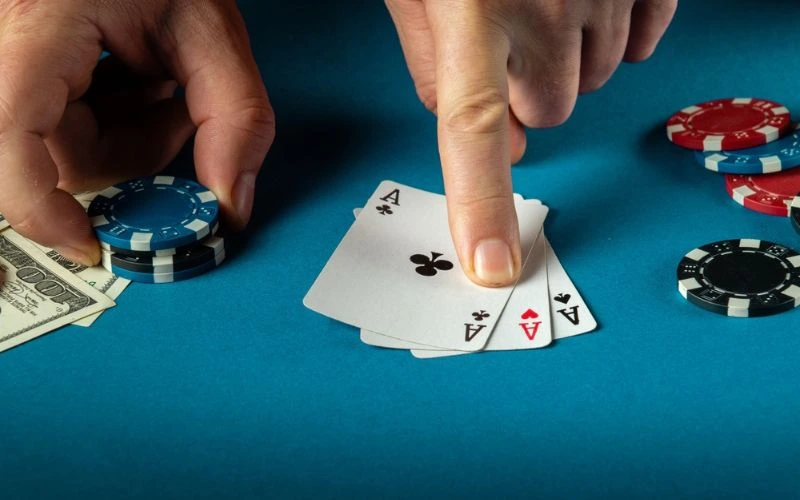
Incorporating a 3-bet strategy into your gameplay can be intimidating for beginners navigating the poker world. However, with the right approach and some practice, you can effectively utilize this move to gain an edge at the table. Here are a few tips to keep in mind:
- Balance your 3-bet range: Having a balanced range of strong hands and bluffs in your 3-betting arsenal is crucial. This will prevent your opponents from easily putting you on a specific hand and make it harder for them to exploit your strategy.
- Consider position and stack sizes: The effectiveness of a 3-bet can depend significantly on your position at the table and the stack sizes of both yours and your opponents’. Generally, 3-betting from later positions tends to be more advantageous since you have more information about the players who have acted before you.
- Pay attention to opponents’ tendencies: Observing your opponent’s play can provide valuable insights. If you notice that certain players are consistently folding to 3-bets or rarely calling raises pre-flop, you can adjust your strategy accordingly to exploit their tendencies.
- Adjust based on table dynamics: The dynamics at the table (such as tight or aggressive play) will influence the effectiveness of your 3-bets. Adapt your strategy as needed and be flexible in changing game conditions.
Successful 3-betting requires a combination of skill, experience, and adaptability. As you gain confidence in understanding the scenarios and tips mentioned above, you’ll be better equipped to incorporate a sound 3-bet strategy into your poker toolbox.
Adjusting 3-Bet Strategy Based on Opponents
Understanding your opponents’ playing style and tendencies is crucial when adjusting your 3-bet strategy in poker. Each player at the table brings a unique approach to the game, and recognizing these differences allows you to exploit their weaknesses and make more informed decisions.
One essential factor to consider is opponent range. Some players tend to have a wider range of hands, while others are more selective with their starting hands. If you are up against an opponent who plays a wide range of hands, you may want to tighten your 3-bet range and focus on stronger hands more likely to dominate their weaker holdings.
For instance, let’s say you are in hand with a loose-aggressive opponent who frequently raises pre-flop with various hands. Adjusting your 3-bet strategy by including more value hands like premium pocket pairs (such as Aces or Kings) can be effective. Doing so increases the chances of them calling your 3-bet with inferior hands, giving you an advantage in the pot.
Another consideration is opponent tendencies. Some players may fold easily to aggressive actions, while others may be more resistant and only fold when they have premium holdings. Identifying whether your opponents are more likely to fold or call can help you tailor your 3-betting strategy accordingly.
It’s important to note that not all opponents will react the same way to 3-bets. Some may become more cautious and tighten their range, while others may respond aggressively and try to re-raise or bluff you out of the pot. Adapting to different opponent reactions requires careful observation and adjustment during gameplay.
It’s also crucial to consider table dynamics. The overall atmosphere at the table can influence how opponents perceive your 3-bets and react to them. For example, if the table is filled with tight players who rarely engage in aggressive actions, they may view your 3-bets as a sign of extreme strength and fold more frequently. On the other hand, in a table full of loose and aggressive players, you may need to be more selective with your 3-bets to avoid getting caught in a difficult situation.
Consider adjusting your 3-bet strategy based on opponents as adapting your approach in a chess match. Each opponent has their style of play and strengths, and you must carefully analyze their moves and tendencies to make the most effective counter-moves.
By studying your opponents, their ranges, tendencies, and the table dynamics, you can adjust your 3-bet strategy strategically. This adaptability allows you to exploit weaknesses, maximize value, and minimize losses. Remember, poker is a dynamic game that requires constant analysis and adjustment. Stay observant and flexible in your approach to consistently improve your 3-bet strategy.
“In poker, you have to adapt or die.” – Doyle Brunson


