

Angle Shoot in Poker: In-Depth Look and Unethical Tactics
In the world of poker, angle shooting is like a sneaky trick. It’s a tactic some players use to get an edge, but not all folks see it as right or fair. These sly moves are not against the game’s rules per se, but they twist them in ways they weren’t meant to bend.
For instance, you’ve probably seen that player at the table who takes just a tad too long to show their winning hand — that’s called “slow rolling,” and it’s one type of angle shooting. Knowing about these tricks is key for your protection while playing poker.
Angle shoot in poker refers to controversial tactics used to gain an unfair advantage without explicitly cheating.
Players can protect themselves by being aware of common angle shooting techniques, paying close attention to opponents’ actions, and promptly reporting suspicious behavior to the dealer or tournament director for evaluation.
Defining Angle Shoot in Poker
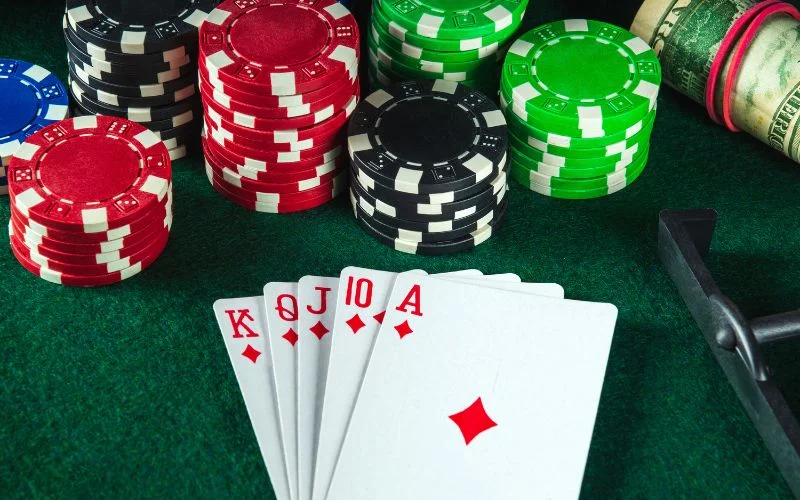
Angle shoot is a term in poker that describes actions or behaviors intended to give a player an unfair advantage, typically by exploiting ambiguity in the rules or creating deceptive scenarios.
While it’s not explicitly cheating, angle shooting is widely regarded as unethical within the poker community. By using misleading statements about their hand, intentionally misplaying a hand, or exploiting rule ambiguities, players can create an unfair advantage for themselves.
For instance, one common form of angle shooting is the “slow roll.” This occurs when players deliberately delay revealing their winning hand to create false hope in their opponents.
Another example involves intentionally not putting enough chips into the pot to confuse, prompting others to misjudge the situation. Moreover, using ambiguous wording to mislead opponents about the state of play also falls under the umbrella of angle shooting.
Impact on Players
The impact of angle shooting on players can be profound. It affects individual games and influences the overall experience at the table. It erodes trust and sportsmanship among players and raises tensions during gameplay.
Understanding the definition of angle shooting sets the stage for recognizing these unethical practices during gameplay and implementing measures to safeguard against them.
Array of Angle Shooting Tactics
Angle shooting encompasses a wide array of cunning maneuvers, each designed to give the perpetrator an unfair advantage. Let’s uncover the varied tactics that fall under the umbrella of angle shooting.
Slow Rolling
One particularly infamous tactic is known as “slow rolling.” It’s where players deliberately take their time revealing a winning hand, creating false hope in their opponents and often causing frustration.
Picture this: You’re at the edge of your seat, hopeful for a victorious outcome, only to be met with an excruciatingly slow card reveal—painful, right? This is considered poor sportsmanship because it essentially toys with opponents’ emotions, giving them a fleeting but false sense of hope.
Splashing the Pot
Another sly move is “splashing the pot,” where a player carelessly tosses chips into the pot in a way that makes it difficult for others to determine the correct amount of bet. This tactic introduces unnecessary confusion and can potentially lead to miscounts. It disrupts the game’s flow and allows players to take advantage of the chaos.
String Betting
Then there’s “string betting,” a tactic involving a player not fully committing to their intended action in one fluid motion. Instead, they incrementally add chips to call or raise without confirming their entire bet at once.
This ambiguous behavior can give them insight into opponents’ reactions before fully committing their intended move—a clear attempt to gain an unfair advantage.
Hidden Chips
More clandestine is “hidden chips,” which involves a player secretly reserving additional chips out of sight to mislead opponents about the true extent of their potential bet or raise.
By concealing their full stack, they present a distorted picture of their available resources in an attempt to manipulate others’ perceptions and decisions.
Misrepresenting One’s Hand
Players might deliberately act as if they have a weaker hand than they do or vice versa, attempting to deceive opponents into making incorrect plays based on false information. Such deceitful tactics undermine the integrity of the game and can disadvantage honest players who are trying to make informed decisions.
Acting Out of Turn
“Acting out of turn” is when players intentionally make a play before it is their proper turn to act. This is done to confuse opponents or gain an unfair advantage by observing others’ reactions before making their move in the proper sequence.
Intentional Rule Violations
Lastly, there are “intentional rule violations,” where players exploit gray areas in-game rules or actively bend them to suit their agenda.
The intricate web of angle shooting tactics illustrates these behaviors’ insidiousness. They blur the lines between artifice and unethical conduct, permeating the world of poker with unnecessary deception and hostility.
As we dissect each tactic and its implications, it becomes evident that vigilant awareness and active measures are necessary to prevent these maneuvers from tarnishing the integrity of the game.
Examining such deceptive tactics brings us closer to understanding and addressing their ethical implications—the critical next step in our exploration.
Ethical Implications of Angle Shoots
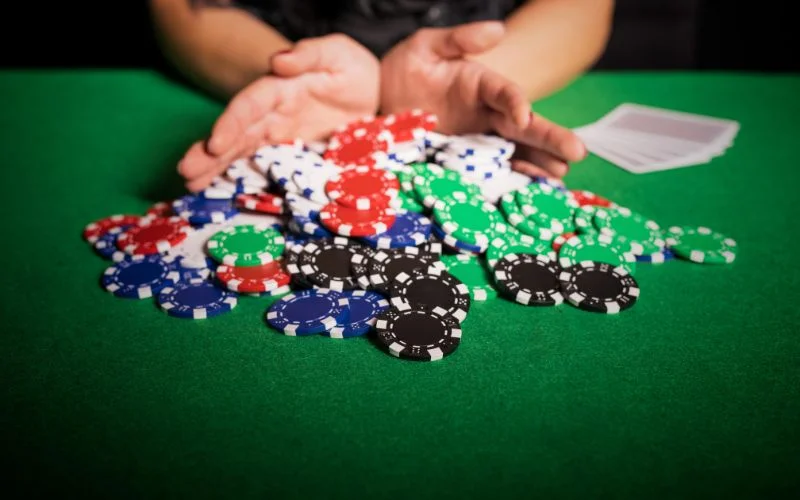
The poker world revolves around skill, strategy, and psychological insight. Players engage in intense mental battles around the poker table, relying on a shared understanding of honorable conduct and mutual respect—a key aspect defining the game’s integrity.
When players resort to angle shooting, they exploit the game’s unspoken code by engaging in deceitful behavior that disregards this integrity. They blur the line between fair gamesmanship and deceptive manipulation, effectively sabotaging the spirit of the game.
This challenge to poker’s core values has sparked widespread disagreement among players regarding acceptable gameplay. While some believe that deception and misleading tactics are inherent to the game, others argue that angle shooting transcends strategic deception and breaches into unethical behavior.
Consider the “slow roll,” where a player with a winning hand intentionally delays revealing their cards, creating false hope in opponents and prolonging their distress.
This tactic capitalizes on deception solely for personal gain, diminishing the honor typically ascribed to victories achieved through genuine skill and wit.
Bluffing involves skilled manipulation of opponents’ perceptions but does not directly undermine the fundamental trust to sustain fair play. In contrast, angle shooting exploits rule ambiguities or deliberately misleads through misleading words or actions.
It’s crucial to recognize that angle shooting is different from outright cheating. While cheating involves explicitly breaking rules or manipulating outcomes through dishonesty, angle shooting exploits loopholes and ambiguities within existing regulations.
The ramifications of allowing angle shooting tactics to persist extend beyond individual hands; they threaten to erode the communal fabric of trust and respect that underpins the poker community.
The erosion of trust jeopardizes the essence of competition, tilting its balance in favor of those willing to compromise integrity for personal gain.
Countermeasures Against Angle Shoots
Protecting yourself from angle shoot is vital in maintaining a fair and honorable poker environment. Awareness of the potential for angle shooting can give you an edge in recognizing and preventing these unsportsmanlike behaviors. Let’s discuss some specific measures to safeguard yourself and the game against angle shooters.
Understanding Poker Rules and Etiquette
An in-depth knowledge of poker rules and etiquette forms the foundation of defense against angle shooting. Knowing what’s permissible and what’s not is the first defense against potential-angle shooters.
Vigilance and Awareness
Vigilance and attentiveness are pivotal in detecting potential angle-shooting tactics. Observing the behaviors and actions of other players at the table can provide crucial insights into their intentions.
Any ambiguous statements or actions should be noted carefully, as they could signal an attempt at deception. Creating a culture of mutual vigilance among fellow players can significantly minimize the success rate of angle shooters.
Reporting Suspicions
In tournament settings, it’s important to have a clear reporting mechanism for suspected angle shooting. Players should bring any suspicions to the attention of the dealer or tournament director, allowing them to evaluate and address any breaches of conduct effectively.
Reinforcing a zero-tolerance policy for dishonest tactics creates a safer playing environment and preserves the trust and fairness integral to poker.
Penalties for Repeated Offenses
Repeated offenses of angle shoot in professional poker tournaments often result in tangible penalties. This discourages unethical behavior by imposing consequences on those who disregard sportsmanship and fairness.
Consistently enforcing penalties for angle shooting sends a strong message about upholding ethical standards within the poker community.
By proactively implementing these measures, the game’s defensibility against angle shooting tactics is fortified, fostering an environment where skill and integrity prevail over deceitful practices.
Legality and Regulation of Angle Shooting
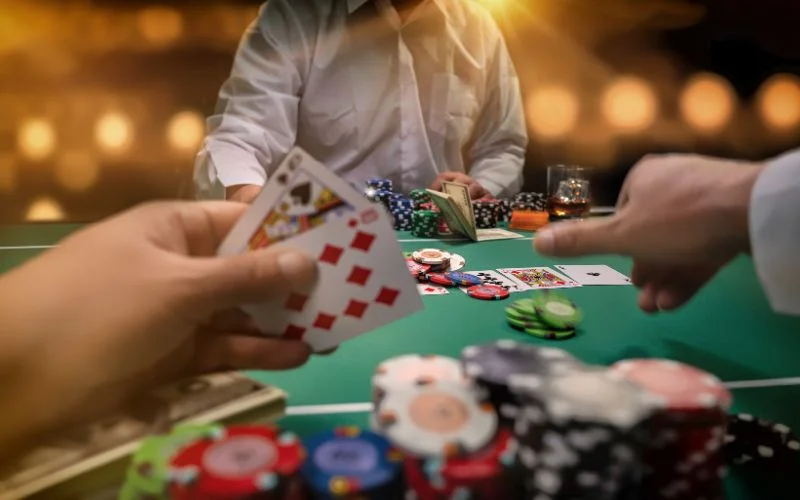
The legality of angle shoot is a contentious issue within the poker world. Unlike explicit cheating tactics, angle shooting operates within a grey area, straddling the line between sportsmanship and manipulation.
While angle shooting may not directly violate the explicit rules of the game, it distorts the essence and spirit of fair play. Poker is a game built on integrity and respect for opponents, and angle shooting stands in stark contrast to these fundamental principles.
However, due to its ambiguous nature, it becomes challenging to establish clear-cut regulations against it. As such, many regulatory bodies have struggled to delineate between legitimate gameplay strategies and unsportsmanlike conduct.
It’s important to note that while angle shooting may not be explicitly illegal, poker communities widely discourage and frown upon its use. Ethical codes in casual and high-stakes tournaments emphasize fair and respectful play.
Consequently, those caught employing angle shooting in repeated instances face severe penalties or sanctions from organizers and regulatory bodies.
In tournament settings, organizers and regulatory bodies may impose penalties or sanctions for repeated instances of angle shooting to maintain the integrity of the game.
These measures are a proactive approach to safeguarding the game’s integrity and fostering an environment where all players can compete on a level playing field.
By discouraging unsportsmanlike behavior, regulatory bodies uphold the values of fairness and respect that underpin the poker community.
While angle shooting may not be illegal, its ethical ramifications are substantial. Regulatory bodies’ efforts to penalize such behavior reflect their commitment to preserving the integrity of the game and promoting a culture of honorable competition within the poker landscape.
Angle Shooting as a Game Strategy
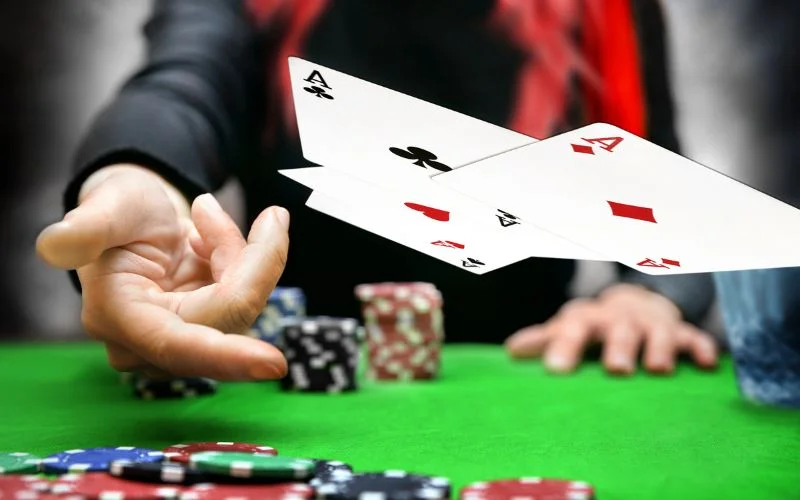
Poker is often likened to a strategic battle of wits, where deception is embraced and admired when executed proficiently. However, there exists a fine line between the acceptable realm of bluffing and the controversial territory of angle shooting.
Some players argue that mild deception is integral to the game, blurring the lines between legitimate gameplay tactics and unfair advantage. Bluffing is a fundamental aspect of poker, where players create false perceptions about their hands to gain an advantage.
What sets angle shooting apart, however, is the deliberate attempt to lead opponents into acting on misinformation about the state of the game.
It’s crucial to distinguish between traditional bluffing and angle shooting. When a player bluffs, they simply misrepresent their hand strength to elicit a reaction from opponents.
On the other hand, angle shooting involves exploiting ambiguities in the rules or using misleading statements or actions to deceive opponents.
This can include intentionally misplaying a hand, hiding chips from view, or manipulating the perception of other players through ambiguous language and actions.
In essence, while bluffing and angle shooting involve some level of deception, the latter crosses ethical boundaries by leading opponents to act upon false information about the public state of the game.
Consider this: In a high-stakes poker tournament, a player with a winning hand deliberately delays revealing their cards – a tactic known as “slow-rolling.” This deceptive maneuver creates false hope in opponents and can be emotionally distressing for players falsely made to believe they have won.
The deliberate prolonging of this reveal goes beyond traditional bluffing and enters the realm of unsportsmanlike conduct.
For more articles on poker strategies and ethical gameplay practices, visit Pokerology. Sharpen your skills while upholding integrity in the game.


