

10 Annoying Poker Player Habits in Live Games
Competition has a way of magnifying emotions. Throw money into the mix; a minor annoyance can become the basis for losing money. The problem is that the poker boom has brought in many new players who do not know acceptable behavior at the table. These players either haven’t had enough time at the poker table to learn the proper skills or have only played online poker, where most etiquette issues are resolved by simply turning off the chat feature.
Building Poker Composure
Television has exaggerated poor poker behavior; too many new players, this representation is all they have to emulate. True poker professionals maintain their composure at the table and can deal with less experienced players and their annoying habits. This is an acquired skill that takes time and patience to achieve.

Once you advance to this level of professional play, you will move to higher-limit games and be surrounded by more sophisticated players. As you continue climbing the poker ladder, recognize the bothersome table manners and ensure you are not exhibiting annoying habits of your own.
Avoid Annoying Poker Habits
Wasting Time
Good poker players always consider their hourly rate of return at the poker table. Delays such as taking too long to act and “Hollywood” directly affect their hourly rate. This is especially true in a time-raked game. Interfering with the dealer and constantly forgetting to post blinds and antes also causes annoying delays that cost other players money.
Playing House
The dealer is responsible for maintaining order and solving problems when a situation arises at the poker table. If the dealer cannot handle a problem or declare a ruling, he should call the floorperson. At no time should a player feel empowered to spout poker rules or attempt to take control of a situation at the table. It is annoying and often leads to inaccurate information that causes chaos rather than resolution.
Poor Sportsmanshipppppppp
Excessive celebration or screaming and berating players is considered poor sportsmanship, regardless of the circumstances. Both extremes bother opponents at the table and often cause players to leave the game altogether.
Teaching at the Table
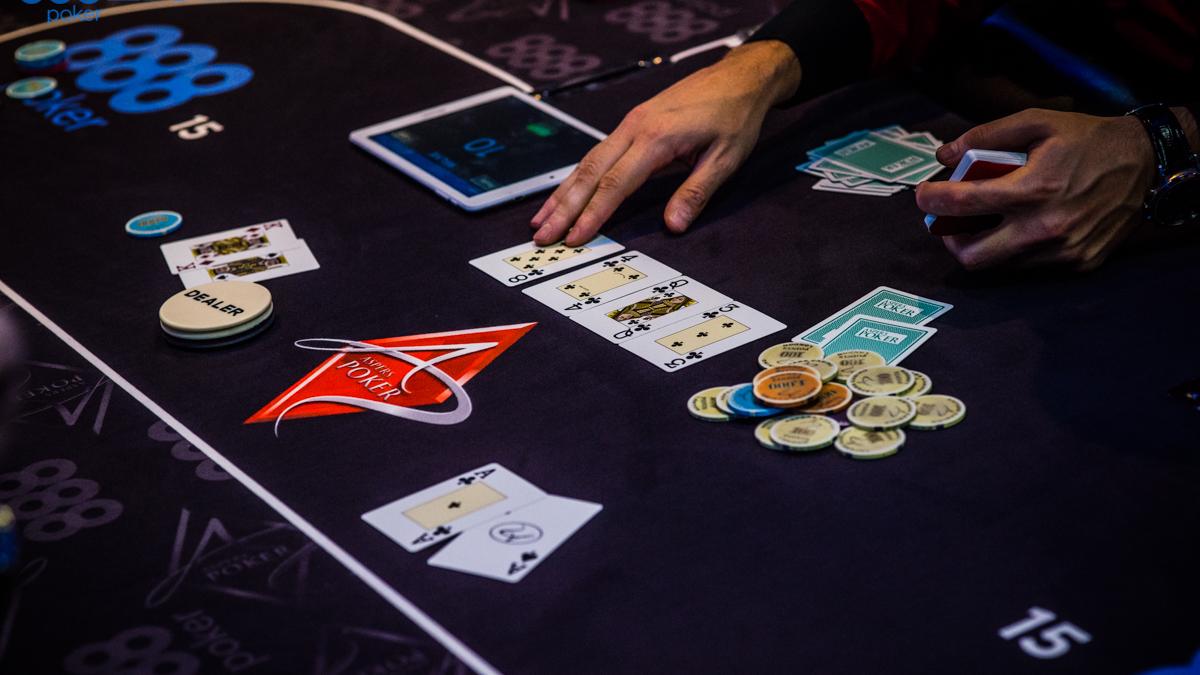
Leave the analysis to Mike Sexton and Vince Van Patten. No one wants to hear strategy techniques at the table, least of all an opponent you just beat. Do not explain what the player could have done differently to win or your strategy for winning the hand. Statistical analysis of a hand also falls under “annoying teacher habits,” so leave all mathematical odds to the poker calculators and limit the term “coin flip.”
Asking to See a Hand
When a player is called at a showdown, he sometimes immediately mocks the hand. That player is conceding the hand. Rules dictate that a player who suspects conspiracy at this point in the hand may ask to see the player’s mucked cards. If you do not suspect a conspiracy, asking to see the writing is improper. Asking to see the hand to interpret the player’s strategy is inappropriate and extremely annoying to the player who has already admitted defeat.
Telling Bad Beat Stories
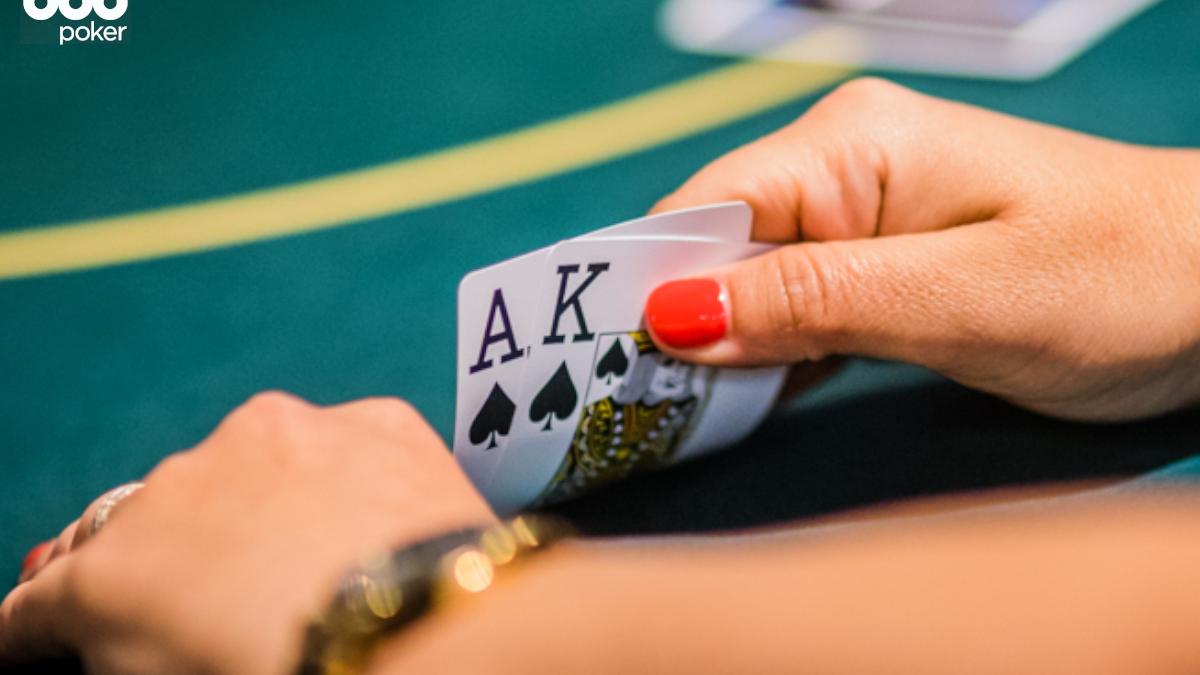
You have seen the most significant bad beat once a player hits a runner-runner against a near-lock hand. There is no sense in telling or hearing the same story repeatedly. Most people have become adept at ignoring players in the lobby who shake their heads and shout, “You won’t believe what this donkey just did!” It’s the bad-beat stories disguised as casual conversation players find most annoying. This includes openings such as, “Tell me how you would have played this hand,” or “You won’t believe what happened at my last table….”
Saying, “I Thought You Had Me” While Raking in the Chips
It takes a lot of grit to bluff on every betting round when an opponent keeps reluctantly calling. The loss can be heartbreaking at a showdown after an opponent withstands all the pressure and makes that final crying call. The last comment the bluffer wants to hear after conceding the hand is, “I thought you had me.” This may be the single most annoying phrase used in poker.

It can serve only two possible purposes: 1.) to prove that you do not know how to lay down a hand when you think you are beaten or 2.) to admit that you are a liar. Which would you rather be?
Hit-and-Runs and Walkers
A player who wins a big pot immediately cashes in and leaves the table, annoying other players who want a chance to win their money back. It is especially bothersome if that player sneaks to another table and buys in for a lower amount to reduce the risk of loss. More irritating than a player who hits and runs is a walker. A walker is a player with chips at the table yet spends most of his time away. This locks up a seat that an active player could taketatakeiclclublayers l areeisuleisurelyg and those constantly taking bathroom, smoking, and phone breaks. This category also includes players who avoid blinds and the worst offender: the player who takes an hour-long dinner break and picks up his chips immediately upon return.
Talking or Gesturing While a Hand is in Progress
While the action is in progress, it is improper to talk or make gestures that affect the outcome of the hand. This includes comments such as, “Oh man, I folded,” or “The flush got there,” as well as moaning or standing when three suited cards hit the board. Even announcing another player’s chip count, provoking action, or saying anything on behalf of an active player is inappropriate.
Saying What They Had After Folding at Showdown
Once the hand is complete, there is no reason to announce the cards you folded. If you truly want to show the hand, you should show it to the table before mucking. If you do not wish to reveal your hand, your mission is accomplished by folding the cards face down; no further explanation is necessary. The only clear motive for stating the writing is to deceive opponents. Still, this tactic is so obvious that any above-average player will pick up on it and become annoyed.
You probably recognize some of these annoying habits and may have others to add to the list. Identification is the first step to removing bad habits from your game. The ability to tolerate and not allow others to alter your game is the second and most important step toward becoming a successful poker player. On a positive note, players with poor poker etiquette are typically poor. So while their antics may sometimes delay the game and cost you money, they increase your bankroll in the long run.
As you continue t/lessons/bankroll-management/o, climb the poker ladder, maintain your composure and be a solid representative of the game so that other players emulate your style.
Related Articles
-
- A Beginners Guide to Playing Live Poker
- How to Liven Things Up at the Poker Table


