

Blackjack vs. Poker: Making the Right Bet
In gambling, few games stand out as prominently as blackjack and poker. These card games have captured the imaginations of millions of players around the globe. But when choosing between them, what factors should you consider? This comprehensive guide will explore the key distinctions and similarities between blackjack and poker. By the end, you’ll better understand both games, allowing you to make an informed decision on where to place your bets.
Blackjack: The Game of 21
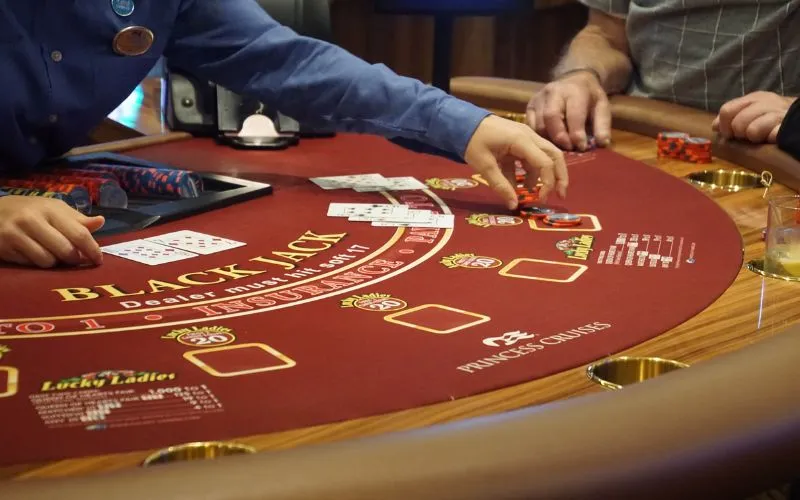
In the world of casino gaming, blackjack stands as the quintessential game of 21, a thrilling duel between players and the dealer. With a straightforward objective of getting as close to 21 as possible without going over, blackjack is a game that blends luck and strategy, making it a favorite among gamblers of all levels.
The Basics
Blackjack, also known as 21, is a card game that pits players against the dealer rather than against each other. The primary goal in blackjack is to beat the dealer by having a hand value as close to 21 as possible without exceeding it. A typical blackjack deck consists of 52 cards, each with a value attached. Number cards are worth their face value, while face cards (kings, queens, and jacks) are valued at 10. Aces can be worth 1 or 11, depending on which value benefits the player more.
The Gameplay
Blackjack is relatively straightforward to play. Each player and the dealer receive two cards, with one of the dealer’s cards face up. Players then have the option to “hit” (request another card) or “stand” (keep their current hand). The objective is to have a hand value closer to 21 than the dealer without busting (going over 21).
The House Edge
One of the advantages of blackjack is that it typically offers a lower house edge compared to many other casino games. Players can reduce the house edge to less than 1% with basic strategy and skillful play. This is a significant factor that attracts both novice and experienced gamblers.
Poker: The Game of Skill and Strategy
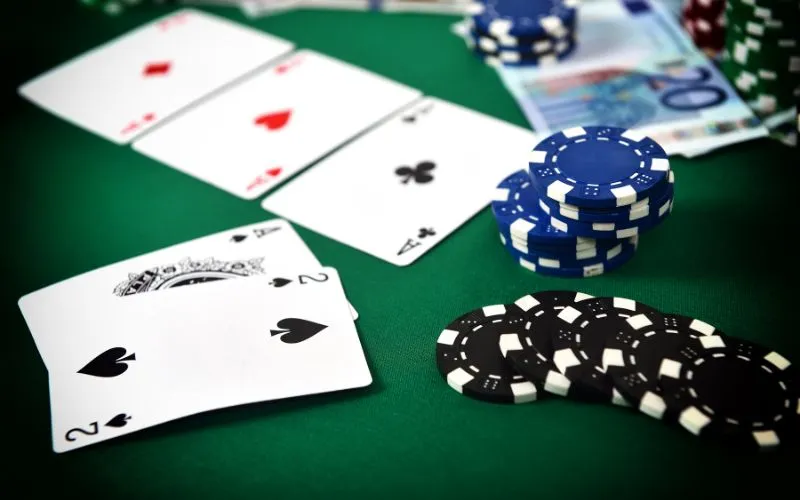
Poker, often hailed as the ultimate game of skill and strategy, sets the stage for players to test their wits against one another. In this dynamic card game, success hinges on your ability to outmaneuver opponents, calculate odds, and master the art of bluffing. Whether you’re a novice or a seasoned pro, poker offers a relentless pursuit of strategy and psychology at the gaming table.
The Basics
On the other hand, Poker is a card game that comes in various forms, with Texas Hold’em, Omaha, and Seven-Card Stud being among the most popular. In poker, players compete against each other, not against the house. Poker aims to win chips from other players by having the best hand or convincing opponents to fold.
The Gameplay
Poker is often described as a game of skill and strategy, where the decisions you make, such as when to bet, raise, call, or fold, greatly influence your chances of winning. Successful poker players must read their opponents, understand the odds, and make calculated moves.
The House Edge
Poker traditionally doesn’t have a house edge because you are not playing against the house. Instead, the casino makes money by taking a small percentage of each pot, known as the “rake.” This means that your success in poker depends on your skill and strategy rather than the house’s inherent advantage.
Key Differences
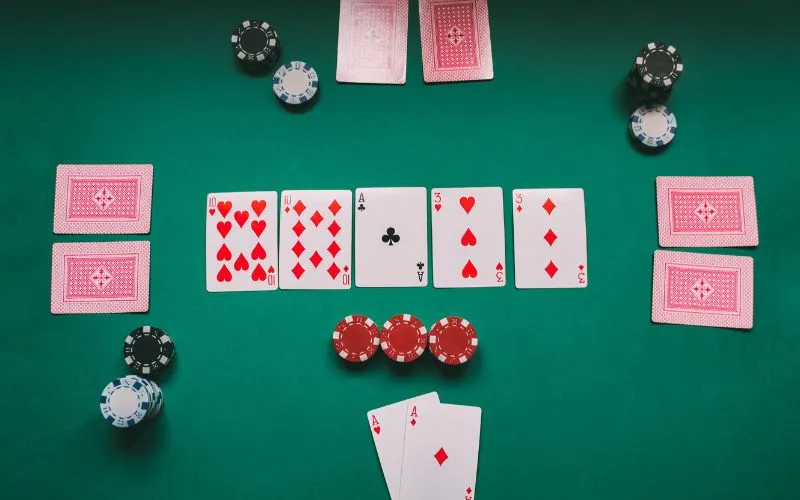
Now that we’ve covered the basics of both games let’s dive deeper into the differences that set blackjack and poker apart:
House vs. Players
One of the most significant distinctions between blackjack and poker is the opponents you face. In blackjack, you’re up against the house, which has a predetermined advantage. In poker, you play against other players, and your success depends on your skills, strategy, and ability to outwit your opponents.
Skill and Strategy
Poker is widely recognized as a game of skill and strategy. Your decisions throughout the game significantly impact your chances of winning. In contrast, while there is a basic strategy in blackjack, it’s primarily a game of chance where the house edge can be minimized through proper strategy but not eliminated.
Social Interaction
Poker is inherently more social than blackjack. In poker, players interact with each other, read each other’s body language and expressions, and employ psychological tactics. In blackjack, the interaction is mainly limited to the player’s interaction with the dealer, and other players have no direct influence on the game.
Variants and Complexity
Poker offers various variants, each with its rules and strategies. This diversity allows players to choose the style of poker that suits them best. On the other hand, Blackjack is relatively uniform in its gameplay and objectives.
Payouts
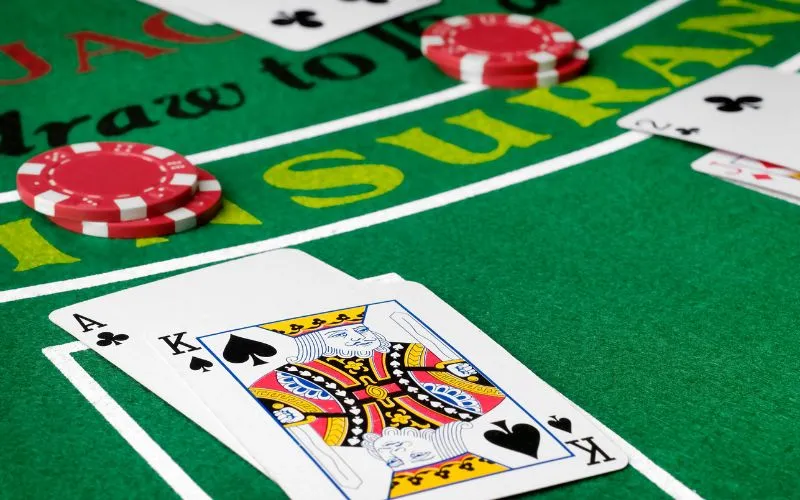
Payouts are typically fixed in blackjack, and the most common payout is 3:2 for a blackjack (an Ace and a 10-value card). In poker, the payouts can vary significantly based on the game variant and the specific hand rankings. This adds another layer of complexity and excitement to poker.
Key Similarities
While blackjack and poker are fundamentally different in many ways, some common elements draw players to both games:
Card-Based Games
Both blackjack and poker are card games, making them accessible and familiar to players who enjoy card-based entertainment.
Decision-Making
In both games, players must make decisions that affect the game’s outcome. While the nature of these decisions differs, the element of choice and strategy is present in both.
Risk and Reward
In blackjack, the risk and reward come from deciding whether to “hit” or “stand.” In poker, it’s about choosing when to bet, raise, call, or fold. The thrill of risking your chips for a potential reward drives players in both games.
Psychological Aspects
Both games involve psychological elements. In poker, it’s about reading your opponents and trying to outsmart them. In blackjack, it’s about managing your emotions and decisions in the face of uncertainty.
Conclusion
There’s no one-size-fits-all answer in the epic battle of blackjack vs. poker. Choosing these iconic card games depends on your preferences, objectives, and playing style. If you’re drawn to a game of chance with a lower house edge, blackjack might be your game. If you crave a dynamic, strategic, and socially engaging experience, poker is your best bet.
Ultimately, it’s not a matter of one game being better than the other; it’s about finding the one that suits your gaming appetite and aligns with your goals. Whether you’re after the simplicity of blackjack or the complex world of poker, both games offer thrilling opportunities to test your luck and skills in gambling.


