

Heads up Poker: How to Outsmart Your Opponent
In the world of Heads-Up Poker, you’re thrust into a high-stakes duel where every decision matters. Gone are the days of waiting for the perfect hand; now, aggression and keen observation of your opponent’s moves are paramount.
You can’t afford to miss a beat when every hand could be your last. Understanding the basic rules is just the beginning; the adaptation and strategic finesse will set you apart.
But how do you adjust to an unpredictable opponent or master the art of positional play? Let’s explore the nuances that can transform your game.
Key Takeaways
- Heads-Up Poker is a two-player, fast-paced game often played in Texas Hold’em or Omaha formats.
- The player on the button posts the small blind and acts last, providing a positional advantage.
- Effective strategies include embracing aggression, leveraging positional edges, and playing a wider range of hands.
- Adjusting your strategy based on opponent reads and styles is crucial for exploiting weaknesses.
- Common mistakes include overvaluing weak hands, failing to adjust strategies, and neglecting the importance of position.
What Is Heads-Up Poker?
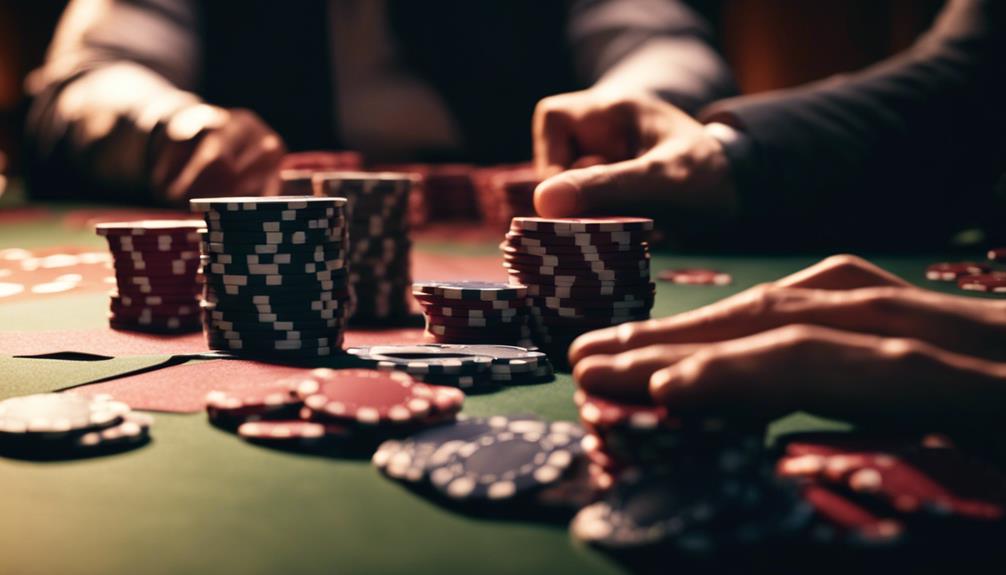
Heads-up poker is a fast-paced game played between just two players, typically in formats like Texas Hold’em or Omaha. The dynamics in heads-up poker are unique because the game is distilled to its essence: you and your opponent.
Unlike full-table games, there’s no hiding behind other players; every hand matters. In heads-up poker, the player on the button posts the small blind. This differs from full-table games, where the player immediately left the dealer and posted the small blind.
The roles of the small and big blind alternate between the two players with each hand. This frequent switching of blinds keeps the game moving swiftly and ensures that both players experience the challenges and advantages of each position.
Heads-up poker isn’t just a tournament phase when only two players remain at a full table; it’s also a popular format for dedicated heads-up tournaments. These can be found in both online poker rooms and casino settings.
The simplicity of the two-player format combined with the shifting dynamics of the blinds and buttons creates a highly competitive and engaging poker experience. If you love intense, one-on-one competition, heads-up poker is where you’ll find it.
Rules of Heads-Up Poker
Understanding the rules of heads-up poker is key to mastering this intense, one-on-one format. The dynamics of heads-up poker differ drastically from those of standard multiplayer games.
One critical difference is the posting of blinds: the player on the button posts the small blind, while the other player posts the big blind. This reversal is unique to heads-up play and greatly influences strategies.
The button, or dealer position, rotates between the two players, allowing each to act last in alternating hands. Acting last provides a significant positional advantage, as you can observe your opponent’s actions before deciding.
This one-on-one format is the focus in heads-up poker tournaments, making every hand an intense battle of skill and psychology. You’ll need to adapt quickly, as the heads-up dynamic means:
- Higher chance of having the best hand: With only two players, your hand strength doesn’t need to be as high to win.
- Increased bluffing opportunities: You can exploit your opponent’s tendencies more effectively.
- Positional power: Acting last allows you to control the game’s flow.
- Faster-paced action: More hands per hour means less time to think.
- Greater psychological warfare: It’s a test of mental fortitude and reads.
Key Strategies

To excel in heads-up poker, you must embrace aggression and leverage positional advantages to outmaneuver your opponent. In heads-up play, you’re often on the button and posting the small blind, giving you an essential positional edge.
Use this to your benefit by playing aggressively. Bluffing is more effective when facing just one opponent. Your opponent’s reads are critical; paying close attention to their tendencies can help you make informed decisions.
Adjust your strategy based on these reads, timing your bets to control the pot size and force your opponent into tough spots. Don’t hesitate to use an all-in strategy when necessary, especially to double up or protect strong hands.
Playing a wider range of hands is necessary for heads-up play. With only two players, the value of each hand increases, so you’ll need to stay flexible and willing to engage with a broader spectrum of hands.
Keep an eye on your opponent’s stack size, as it informs your betting and all-in strategies. Mastering these key strategies will enhance your heads-up poker game and increase your chances of outmaneuvering your opponent.
Adjusting to Opponent Styles
Recognizing and adapting to your opponent’s playing style is essential for gaining an edge in heads-up poker. To do this, you must keenly observe their behavior and tendencies. Are they playing conservatively, folding often, and waiting for strong hands?
Or are they aggressive, frequently raising and pressing pressure on you? By identifying these patterns, you can tailor your strategy to exploit their weaknesses.
If your opponent is playing conservatively, you can take advantage by being aggressive yourself. Steal blinds and apply pressure to force them into making mistakes. Conversely, if your opponent is aggressive, you might want to play more cautiously, setting traps and letting them overextend.
Adjusting your strategy based on your opponent’s style can evoke a range of emotions and reactions:
- Excitement when successfully bluffing a conservative player.
- Satisfaction in trapping an overly aggressive opponent.
- Confidence in knowing your adjustments are working.
- Anticipation of the next move and counter-move.
- Determination to outplay your opponent at every turn.
Common Mistakes
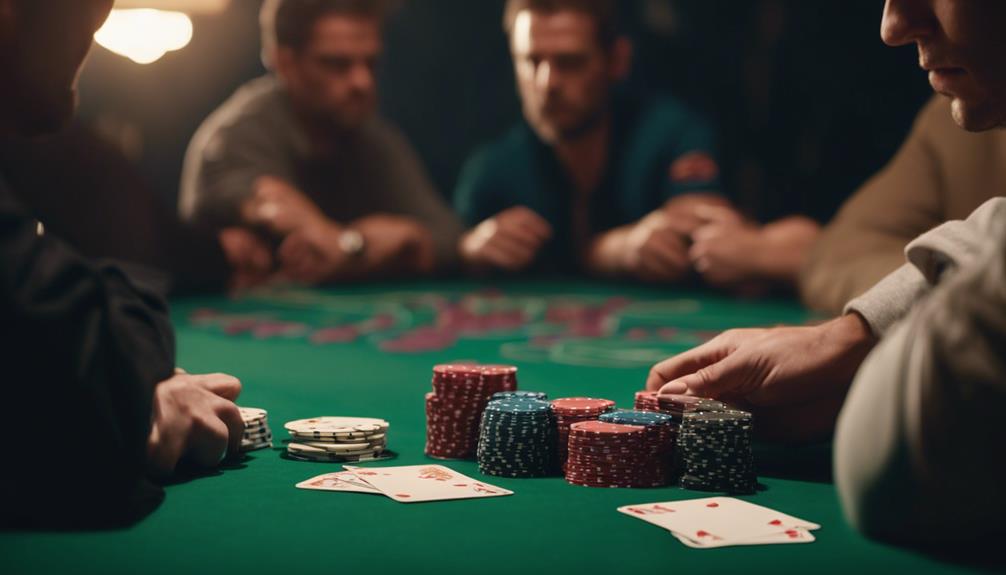
Even with a solid grasp of opponent styles, players often fall into common mistakes that can jeopardize their success in heads-up poker. One key error is overvaluing weak hands. You might think holding marginal cards gives you an edge, but playing tight is usually more effective.
It’s important to recognize when your hand isn’t strong enough and to fold rather than chase losses. Another pitfall is failing to adjust strategies based on your opponent’s tendencies. If you don’t adapt, you’ll quickly become predictable and easy to exploit.
Adjusting strategies requires constant observation and flexibility, ensuring you stay one step ahead. Effective bankroll management is also essential. Without it, even skilled players can face significant financial setbacks.
Ensure you’re playing within your limits, and don’t let emotions drive your betting decisions. Playing passively is another common mistake. Heads-up poker demands aggression; if you’re not utilizing it, your opponents will seize the position advantage and dictate the game’s flow.
Finally, never neglect the importance of position. Having the position advantage allows you to act last, giving you critical insights into your opponent’s actions and better control over the pot.
Avoid these mistakes, and you’ll see a marked improvement in your heads-up poker performance.
Advanced Techniques
Advanced techniques can give you a significant edge over your opponents when you’re ready to elevate your heads-up poker game. In heads-up limit holdem, it’s important to adjust your hand selection and aggression levels based on your opponent’s tendencies.
By exploiting their weaknesses, you can dominate the table. Remember, playing heads-up requires a keen understanding of starting hands and how to leverage them effectively. To gain an advantage, focus on these strategies:
- Utilize position advantage: Play aggressively on the button to control the pace and pressure of your opponent.
- Implement strategic bluffing: Keep your opponent guessing with well-timed bluffs and mind games.
- Study push/fold charts: For effective stack sizes under 10 blinds, making the best decisions is crucial.
- Play the equity of your cards: Make calculated bets to accumulate chips and chip away at your opponent’s stack.
- Adjust based on opponent tendencies: Tailor your approach to exploit their weaknesses.
Whether you’re dealing with a big hand or managing a deep stack situation, mastering these techniques will elevate your game.
The key is to stay adaptable, keep your opponent off balance, and strategically manage your stack. With practice, you’ll become a formidable force in heads-up poker.
Frequently Asked Questions
What Are the Rules for Heads-up Poker?
You must understand the dealer rules, blind structure, and ante variations. Hand rankings remain the same, but betting rounds are more intense. The button posts the small blind, and strategy is important due to the higher chance of strong hands.
Why Is It Called Heads up Poker?
You may wonder why it’s called “heads-up poker.” The term’s origins debate, historical context, and terminology evolution highlight its poker slang roots. Game variations focus on confrontations, making “heads-up” perfect for describing this intense, two-player duel.
How Do You Bet on Heads-up Poker?
To bet effectively, analyze your opponent’s tendencies and use betting psychology. Incorporate bluff strategies and hand analysis to control table dynamics. Adjust your bet sizes based on how your opponent reacts to maximize your chances of winning.
What Is the Heads-Up Structure in Poker?
In the heads-up structure, you’ll find reversed blinds with the button posting the small blind. Successful betting strategies revolve around player psychology, table dynamics, bluff detection, and understanding hand ranges to outmaneuver your opponent.
Conclusion
In heads-up poker, you’ve got to stay sharp and adaptable. Focus on observing your opponent’s moves, exploiting their weaknesses, and adjusting your strategies. Avoid common pitfalls by maintaining a balanced approach and constantly refining your tactics.
With practice and a keen eye, you’ll master the art of heads-up poker and consistently outplay your opponents. Embrace the challenge, stay aggressive, and enjoy the thrill of this intense one-on-one game.


