

Strategies to Win with an Inside Straight Draw in Poker
Poker is a game of skill, strategy, and calculated risks. One of the intriguing aspects of poker is drawing for a straight; among these, the “inside straight draw” is a unique and challenging endeavor. This comprehensive guide will delve into what an inside straight draw is, how it differs from other consecutive draws, and the strategies to play it effectively. Whether you’re a beginner or an experienced poker enthusiast, understanding the inside straight draw can significantly improve your poker game.
Table of Contents
ToggleWhat is an Inside Straight Draw?
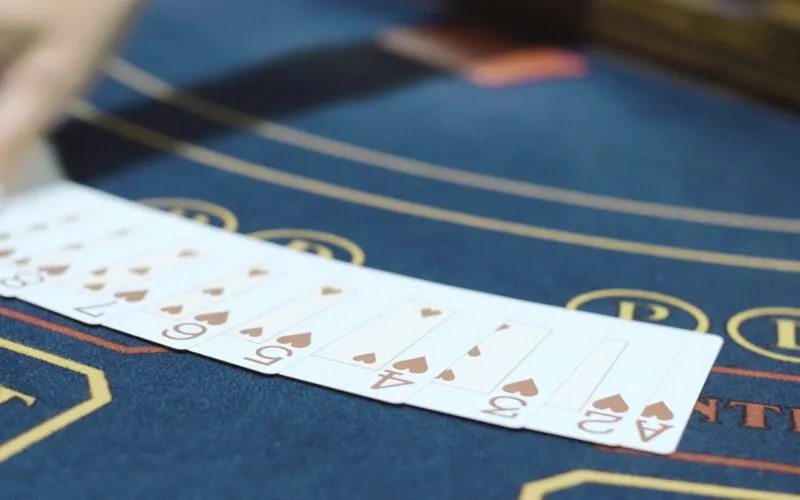
An inside straight draw, also known as a “gutshot” or “belly buster” straight draw, occurs when you need a specific card to complete a straight, but it’s missing from the sequence. For example, if you have 7, 8, 9, and J in your hand and need a 10 to complete the straight, you have an inside straight draw. This type of draw is considered one of the trickier ones in poker.
Inside Straight Draw vs. Open-Ended Straight Draw
Inside Straight Draw: A single specific card is required to complete the straight. In our previous example, you need the 10 of any suit.
Open-Ended Straight Draw: Requires any one of two specific cards to complete the straight. For instance, if you have 7, 8, 9, and 10, you can complete the straight with either a six or a J. Open-ended straight draws generally have better odds of completion than inside straight draws.
The Odds of Completing an Inside Straight Draw
Understanding the odds of completing an inside straight draw is crucial for making informed decisions in poker. Here’s a breakdown of the odds of completing an inside straight draw on the turn and river:
- Turn: With four outs (one specific card needed), your approximate odds of completing the draw are around 8.5%.
- River: On the river, your odds remain at 8.7%. These odds are relatively low compared to open-ended straight draws, making inside straight draws riskier.
Playing the Inside Straight Draw
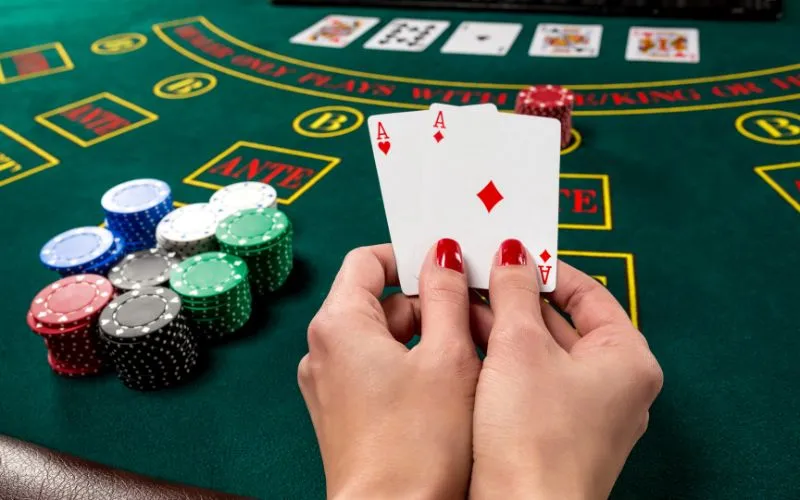
Playing the inside straight draw in poker requires a delicate balance of strategy and intuition. You must assess your odds, consider your table position, and be cautious with your bets. Advanced tactics like implied odds and occasional bluffs can also come into play. Ultimately, success with an inside straight draw hinges on your ability to make informed decisions while keeping your opponents guessing.
Basic Strategy
- Assess Pot Odds: One of the fundamental concepts in poker is calculating pot odds. To decide whether to chase your inside straight draw, compare the pot odds to the odds of completing your draw. If the pot odds are higher, it’s generally favorable to continue pursuing the draw.
- Position Matters: Your table position is crucial when playing an inside straight draw. Playing from a late position gives you more information about your opponents’ actions, making it easier to decide whether to continue or fold.
- Bet Sizing: Be cautious with your bets. Don’t commit too many chips to the pot unless you have strong reasons to believe your draw will hit. Overcommitting to a draw can be a costly mistake.
Advanced Strategies
- Implied Odds: While pot odds are essential, implied odds are also considered. This involves thinking about the potential future bets you can win if you hit your draw, not just the current pot odds.
- Bluffing: Skilled players occasionally use their inside straight draws as a bluff. This tactic can keep your opponents guessing and force them to fold stronger hands.
- Reading Your Opponents: Pay attention to your opponents’ behavior and try to determine if they have a strong hand or are also drawing. If your opponents show weakness, you might exploit the situation.
Tips for Winning with Inside Straight Draws
- Patience is Key: Don’t rush into chasing your inside straight draw. Patience is crucial when you have this type of draw. Wait for the right opportunities, and don’t force the action.
- Mix Up Your Play: Avoid being too predictable. While inside straight draws are often considered weak, using them to mix up your gameplay can keep your opponents guessing about your hand strength.
- Table Position Awareness: Always consider your poker table position. Playing an inside straight draw from an early position is riskier, so exercise caution in such situations. From a late position, you have more information to make an informed decision.
Conclusion
Mastering playing the inside straight draw in poker requires skill, strategy, and careful decision-making. While it’s a challenging draw with relatively lower odds of success, it can be a valuable addition to your poker arsenal when used judiciously.
Remember to assess the situation, consider the pot odds, and adapt your strategy based on your opponent’s actions. With practice and a keen understanding of the game, you can turn the seemingly daunting inside straight draw into a winning hand. So, embrace the challenge, refine your skills, and take your poker game to new heights with the inside straight draw in your toolkit.
FAQs
Can I win with a straight inside draw in poker?
Yes, winning with an inside straight draw is possible, but it’s not guaranteed. Success depends on various factors, including skill level, pot odds, and opponents’ actions. To increase your chances, assess the situation carefully and consider the odds before continuing to chase your inside straight draw.
Are inside straight draws riskier than open-ended straight draws?
Yes, inside straight draws are generally riskier because they have fewer outs. You need a specific card to complete the straight, which makes it harder to hit than open-ended straight draws with two possible cards to complete the hand. It’s essential to exercise caution and evaluate the risk-reward ratio when playing an inside straight draw.
When should I fold a straight inside draw?
It would be best to consider folding an inside straight draw when the pot odds do not justify chasing the draw or when your opponents’ actions indicate they likely have a stronger hand. Folding can be a wise decision to prevent further losses when the odds are against you.
How do I calculate pot odds in poker?
Pot odds are calculated by dividing the cost of your potential call by the total size of the pot. If the resulting ratio is higher than the odds of completing your draw, making the call is generally favorable. Pot odds help you make informed decisions about pursuing your inside straight draw.


