

Exploring the Question: Is Poker Gambling?
Poker has long been a captivating game, drawing players from all walks of life into its strategic and exhilarating fold. But amidst the allure of high-stakes tournaments and the thrill of the bluff, a common question arises: Is poker truly a form of gambling? In this comprehensive guide, we delve into the intricacies of poker, dissecting its nature and exploring its relationship with gambling to provide clarity for enthusiasts and skeptics alike.
Is Poker Gambling?
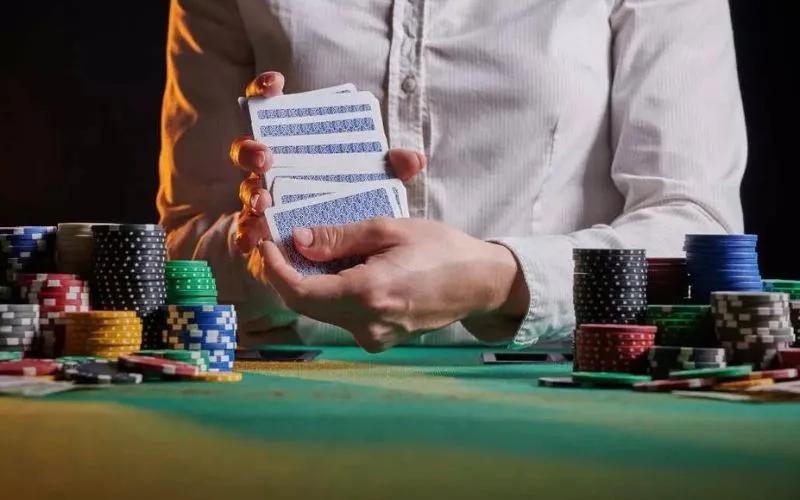
The question of whether poker qualifies as gambling is a topic of ongoing debate within gaming circles. While some argue that wagering money on uncertain outcomes aligns with traditional definitions of gambling, others contend that poker’s emphasis on skill and strategy distinguishes it from pure chance-based activities. When considering whether it is poker gambling, it’s essential to recognize the nuanced relationship between risk-taking and skillful play that defines the game. While chance certainly plays a role in individual hands, the overarching narrative of poker centers on skillful decision-making and psychological insight, challenging the notion that poker is solely a game of chance.
The Skill Factor in Poker
One of the key distinctions between poker and traditional forms of gambling, such as slot machines or roulette, is the significant element of skill involved. Unlike purely chance-based games, poker requires players to make strategic decisions based on the cards they hold, their opponents’ actions, and probabilities. Here’s why poker is often regarded as a game of skill:
- Complex Decision-Making: Poker presents players with a myriad of decisions to make at every stage of the game, from assessing the strength of their hand to predicting opponents’ actions. Skilled players weigh factors such as hand strength, position, pot odds, and opponent tendencies to make informed decisions that maximize their chances of success.
- Psychological Warfare: Beyond the cards, poker is a game of psychology in which players must master the art of deception, observation, and manipulation. Bluffing, reading tells, and understanding opponents’ thought processes are integral to gaining an edge in poker. Successful players use these psychological tactics to control the game flow and exploit their opponent’s weaknesses.
- Continuous Learning: Poker’s evolving nature means that successful players constantly adapt and refine their strategies. From mastering the fundamentals of hand rankings and basic probabilities to delving into advanced concepts like game theory and range analysis, there is always room for improvement in poker. Dedication to study, analysis of past hands, and staying abreast of industry trends are hallmarks of top-tier poker players.
By honing these skills and applying them consistently, players can elevate their game beyond mere chance and increase their chances of long-term success at the poker table.
The Role of Chance in Poker

In any poker discussion, it’s crucial to recognize the role of chance in shaping outcomes at the table. While poker is widely acknowledged as a game of skill, chance remains an ever-present factor that adds an element of unpredictability to each hand. Understanding how chance influences the game is essential for players seeking to navigate its complexities and maximize their success.
Probability and Card Distribution
At the heart of poker lies the inherent randomness of card distribution. Each hand dealt is subject to chance, with players having no control over the cards they receive. This element of randomness ensures that no two hands are identical, injecting excitement and uncertainty into every game.
Variance and Short-Term Results
Despite the skillful application of strategy, short-term results in poker are heavily influenced by variance – the natural fluctuations in outcomes that occur due to chance. Even the most skilled players can experience losing streaks or unexpected wins due to variance. In the short term, luck can play a significant role in determining individual outcomes, leading to fluctuations in bankroll and morale.
Long-Term Trends and Skillful Play
While chance may dictate short-term results, the skillful management of probabilities and strategic decision-making can tilt the odds in a player’s favor over the long term. Skilled players understand that success in poker is not solely determined by the outcome of any single hand but rather by consistently making optimal decisions based on the information available.
Mitigating Risk and Maximizing Opportunities
One of the hallmarks of skilled poker play is the ability to mitigate risk and capitalize on favorable opportunities. By understanding the probabilities associated with different hands and situations, players can make informed decisions that minimize potential losses and maximize potential gains. This strategic approach allows players to navigate the inherent uncertainty of poker with confidence and precision.
Adapting to Variance and Uncertainty
Successful poker players maintain a disciplined and adaptable mindset in the face of variance and uncertainty. Rather than becoming discouraged by short-term setbacks or overconfident in short-term wins, they focus on making sound decisions based on long-term expected value. This resilience and flexibility enable players to weather the fluctuations of luck and emerge stronger and more skilled.
By acknowledging the role of chance in poker and incorporating strategic approaches to mitigate its impact, players can cultivate a balanced and effective approach to the game. While luck may influence individual outcomes, it is ultimately skillful play that distinguishes poker as a game of strategy and intellect rather than pure chance.
Legal Perspectives on Poker and Gambling
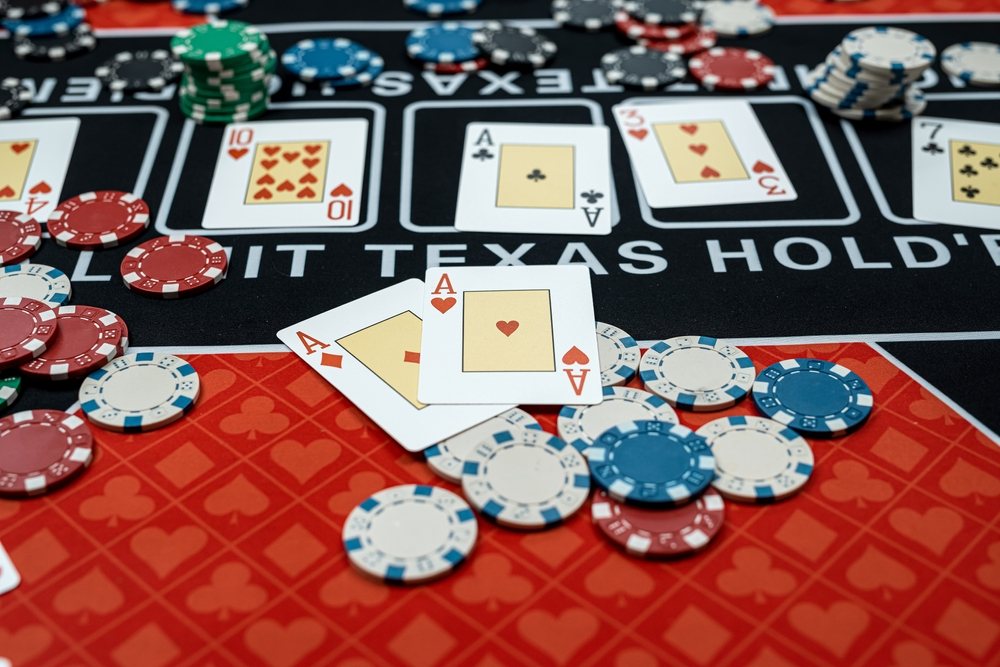
From a legal standpoint, poker’s classification as gambling varies depending on jurisdictional definitions and regulations. Many countries and states recognize poker as a game of skill and may exempt it from strict gambling laws that govern purely chance-based activities. However, players must familiarize themselves with local laws and regulations to ensure compliance when participating in poker games online or in brick-and-mortar establishments.
Conclusion
In conclusion, while poker shares certain characteristics with gambling, its emphasis on skill, strategy, and decision-making sets it apart as a unique and engaging pursuit. Understanding the dynamic interplay between skill and chance in poker is essential for players seeking to navigate its complexities and maximize their success at the tables. So, the next time someone asks, “Is poker gambling?” the answer is clear: It’s a bit of both, but ultimately, it’s up to the player to tip the scales in their favor through skillful play.
FAQs
Is poker solely based on luck?
While luck does influence short-term outcomes, poker is predominantly a game of skill where strategic decision-making, psychological tactics, and probability analysis play crucial roles in long-term success. While individual hands may be subject to chance, skillful play prevails over luck in the long run.
Can anyone become a successful poker player?
While poker welcomes players of all skill levels, achieving success in the game requires dedication, study, and practice. While innate talent certainly helps, the mastery of poker demands ongoing learning, adaptability, and a willingness to continually refine one’s strategies and approach to the game.
Is online poker considered gambling?
Online poker platforms offer players opportunities to engage in cash games and tournaments, but the legality and classification of online poker vary by jurisdiction. While some regions consider it a form of gambling subject to regulation, others recognize it as a skill-based game with legal distinctions from traditional gambling activities. Players must familiarize themselves with local laws and regulations regarding online poker participation.


