

Mastering the Art of Live Poker: Strategies and Tips
In the poker world, the thrill of the live game is unparalleled. The clinking of chips, the intense stares, and the rush of making strategic decisions in real time create an electrifying atmosphere that online poker can never truly replicate. If you’re a poker enthusiast, “live poker” probably resonates deeply with you. In this comprehensive guide, we’ll delve into the intricacies of live poker, providing strategies, tips, and insights to help you dominate the tables. So, let’s shuffle up and deal!
The Essence of Live Poker

Live poker transcends cards and chips, offering an electrifying blend of psychology, strategy, and human interaction, making it an unparalleled gaming experience.
The Thrill of Live Poker
Live poker isn’t just a card game; it’s a social event and a mind sport. The human element adds a layer of complexity that makes it fascinating. It’s about reading your opponents, mastering your emotions, and adapting to ever-changing situations. In live poker, your skills extend beyond the cards you hold; they encompass psychology, observation, and strategy.
Popular Variants of Live Poker
There are several variants of live poker that you can enjoy in brick-and-mortar casinos or home games. The most popular ones include Texas Hold’em, Omaha, Seven Card Stud, and more. Each variant has its own set of rules and strategies, so it’s crucial to understand the nuances of the game you’re playing.
Preparing for Live Poker Success
Live poker transcends cards and chips, offering an electrifying blend of psychology, strategy, and human interaction, making it an unparalleled gaming experience.
Bankroll Management
Before you even sit down at the live poker table, it’s essential to have a solid bankroll management strategy in place. Determine your budget for each session, set loss limits, and stick to them. This will ensure you can enjoy the game without risking your financial stability.
Understanding Table Selection
Choosing the right table is crucial in live poker. Pay attention to factors such as the skill level of your opponents, the table dynamics, and the stakes being played. Ideally, you want to find a table where you have an edge or at least a fair chance of winning.
Live Poker Etiquette
Live poker has its own set of unwritten rules and etiquette. Always act respectfully towards other players and the dealer. Avoid excessive chatter during hands and observe proper hand gestures. Following these etiquettes makes the game more enjoyable and helps you maintain a positive image at the table.
Mastering Live Poker Strategy
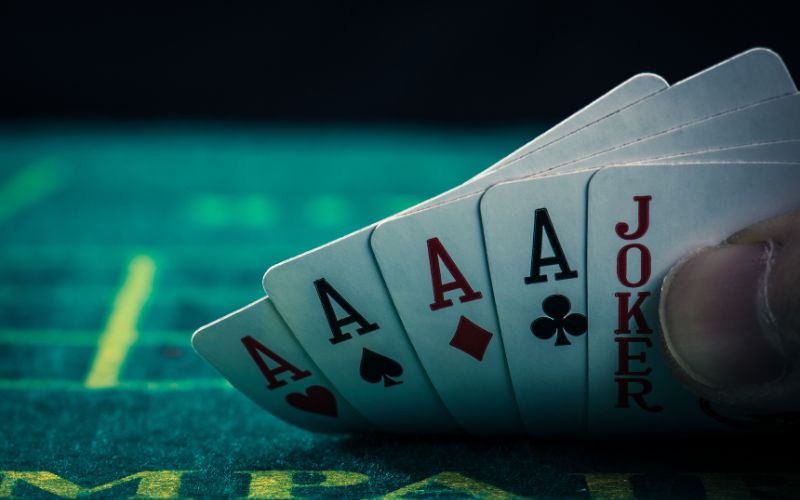
Beyond the cards, mastering live poker requires reading opponents, maintaining emotional composure, and executing well-timed bluffs, elevating your gameplay to a strategic art form.
Reading Your Opponents
One of the key skills in live poker is the ability to read your opponents. Please consider their body language, facial expressions, and betting patterns. This information can give you valuable insights into the strength of their hand and their overall strategy.
Managing Your Emotions
Emotional control is vital in live poker. It’s easy to get frustrated after a bad beat or overly excited when on a winning streak. Regardless of the situation, learning to manage your emotions and make rational decisions is a hallmark of a successful live poker player.
Bluffing and Deception
Bluffing is an integral part of poker and even more significant in live games. Use your observations of opponents to determine when and how to bluff effectively. Remember that successful bluffing requires a careful balance between aggression and subtlety.
Live Poker Tools and Resources
Beyond the cards, mastering live poker requires reading opponents, maintaining emotional composure, and executing well-timed bluffs, elevating your gameplay to a strategic art form.
Poker Books and Learning Materials
There is a wealth of poker literature available that can help you improve your live poker skills. Books, articles, and videos by renowned players provide valuable insights and strategies to incorporate into your game.
Training and Coaching
Consider seeking a poker coach or joining a training program to take your skills to the next level. Working with an experienced coach can help you identify and correct weaknesses in your game.
Poker Tracking Software
While not as prevalent in live poker as in online games, some tracking software and apps can help you analyze your performance over time. These tools can provide statistics on your play and help you identify areas for improvement.
Bankroll Building and Management
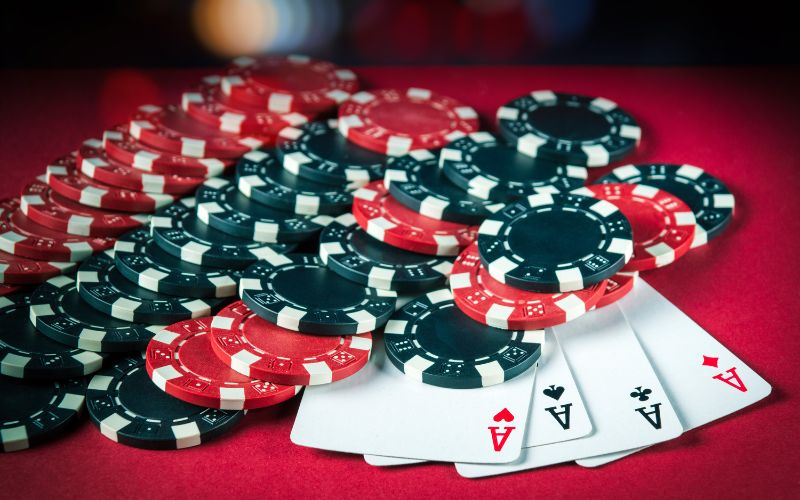
Gradual bankroll growth, emotional control to avoid tilt, and a flexible bankroll strategy all contribute to long-term success, ensuring that you thrive in the ever-evolving world of live poker.
Starting Small
When you’re new to live poker, starting with lower-stakes games is advisable. This allows you to gain experience and confidence without risking a significant portion of your bankroll. As you become more comfortable and skilled, you can gradually move to higher-stakes tables.
Avoiding “Going on Tilt”
Tilt is a poker player’s worst enemy. It occurs when emotions take over, and you start making irrational decisions. Avoid going on tilt, take breaks when needed, and use relaxation techniques to stay calm and focused.
Bankroll Growth Strategy
Consider adopting a more aggressive management strategy as your skills and bankroll grow. This might involve taking occasional shots at higher-stakes games or entering tournaments with larger buy-ins. However, always ensure you have a comfortable cushion to absorb potential losses.
Conclusion
Mastering live poker is a journey that combines skill, strategy, and psychology. With dedication and continuous learning, you can elevate your game and succeed at the live poker tables. Whether you’re a seasoned player looking to improve or a beginner taking your first steps, remember that poker is not just a game of chance—it’s a game of skill, wit, and perseverance. So, embrace the challenge, hone your skills, and enjoy the rich and rewarding world of live poker. May the cards be in your favor!
FAQs
1. Is live poker more challenging than online poker?
Live poker and online poker each come with their unique challenges. Live poker involves reading opponents’ physical cues and managing your emotions, while online poker relies more on mathematical and strategic play. Both require skill and practice to excel.
2. How can I improve my live poker skills?
Improving your live poker skills requires study, practice, and experience. Start by learning the rules and strategies of the specific variant you want to play. Then, practice regularly in a casino or home game setting. Additionally, consider studying poker literature and seeking coaching to accelerate your progress.
3. What should I do if I encounter a difficult opponent in a live poker game?
Facing tough opponents is a part of the game. In such situations, focus on your own game and use your observations to adapt your strategy. Avoid getting frustrated and making emotional decisions. Over time, experience will help you become more comfortable playing against skilled opponents.


