

Mastering Poker Blind for Strategic Triumph
Poker, renowned for its intricate blend of skill, strategy, and chance, is a globally beloved card game. Within the tapestry of poker’s dynamics, the concept of poker blinds emerges as a linchpin, influencing the trajectory of each hand played. In this comprehensive exploration, we navigate the multifaceted world of poker blind, unraveling its significance, variations, and the strategic finesse they demand from players.
What are Poker Blinds?

In poker, blinds are forced bets posted by players before the cards are dealt. These bets initiate the betting and create a pot, injecting action into the game right from the start. Typically, the player to the dealer’s left posts the small blind, and the next player posts the big blind.
Why is Poker Blind Necessary?
Blinds serve a dual purpose in poker. Firstly, they ensure money is always in the pot, making each hand potentially lucrative. This not only adds excitement to the game but also encourages strategic play. Secondly, blinds prevent players from folding endlessly without contributing to the action, maintaining the game’s momentum and preventing stagnation.
Types of Poker Blind
In poker, blinds come in different structures, each impacting the game uniquely. Fixed Limit Poker maintains constant blinds, offering stability for strategic planning. No-limit poker allows flexible betting, enabling players to wager their entire chip stack at any point. Pot-limit poker combines elements, letting players bet up to the pot’s current size, creating a dynamic and unpredictable atmosphere.
Fixed Limit Poker
In fixed-limit poker games, the blinds remain constant throughout the entire game. This structure provides a stable and predictable environment, allowing players to strategize accordingly. With a set betting limit, players can plan their moves more effectively, creating a unique dynamic compared to other blind structures.
No-Limit Poker
The blinds remain consistent in no-limit poker, but the betting structure changes. Players can bet any amount of chips they have in front of them. This introduces an extra layer of complexity and excitement to the game, as players must carefully manage their chip stack and be mindful of their opponents’ stacks.
Pot-Limit Poker
Pot-limit poker combines elements of fixed limit and no-limit. Players can bet any amount up to the current size of the pot. This dynamic structure keeps players on their toes as the pot’s growth influences their betting decisions. Pot-limit poker requires a delicate balance between aggression and caution, making it a favorite among players who enjoy a strategic challenge.
Strategies for Playing Poker Blind
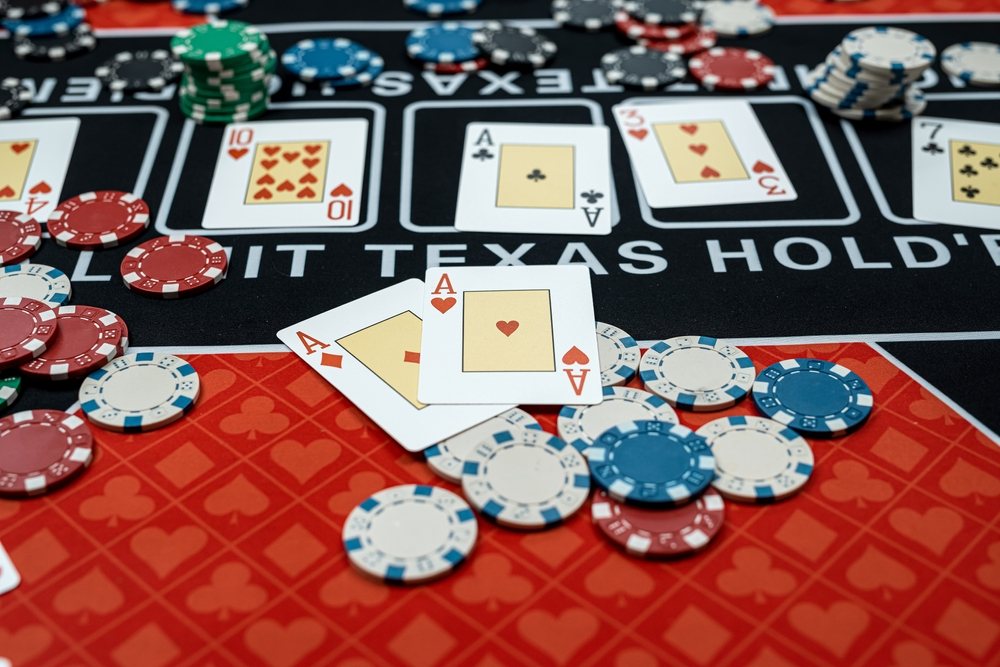
Effective strategies are crucial when navigating poker blinds. In the small blind, players defend by calling, raising, or re-raising based on hand strength. An aggressive approach from the small blind can exploit the positional disadvantage. Big blind players adapt to opponents, knowing when to defend, fold, and leverage their last-to-act post-flop position for informed decisions. Successful poker blind strategies demand adaptability, observation, and calculated risk-taking.
Small Blind Strategies
Players in the small blind position can adopt various strategies to defend their blind, such as calling, raising, or re-raising based on their hand strength. Since the small blind has already invested chips, playing aggressively and taking control of the hand can be advantageous.
Playing Aggressively
As the player in the small blind is already invested, playing aggressively can be a viable strategy to control the hand and pressure opponents. Aggressive play can force opponents to make difficult decisions, increasing the chances of winning the pot without seeing a showdown.
Big Blind Strategies
The big blind player should adapt their strategy based on their opponents’ playing styles. Understanding when to defend and when to fold is crucial for long-term success. By observing opponents’ tendencies and adjusting accordingly, the big blind can make informed decisions that maximize their chances of success.
Exploiting Position
While in the big blind, players should be aware of their position and use it to their advantage. Being the last to act post-flop allows for better decision-making. The big blind can exploit this positional advantage by gathering information from opponents’ actions and making more informed bets or raises.
Poker Blind Etiquette

Posting Blinds Promptly
Players must post their blinds promptly to keep the game flowing smoothly. Delays can disrupt the rhythm and frustrate fellow players. Promptly posting blinds ensures a fair and efficient game.
Announcing Raises
When making a raise, it is customary for players to announce the amount clearly to avoid confusion. This ensures a fair and transparent betting process. Clear communication contributes to a positive gaming experience for all players involved.
Conclusion
FAQs
1. What is the significance of blinds in poker?
Blinds serve a dual purpose in poker. They ensure money’s always in the pot, making each hand potentially lucrative. They prevent players from folding endlessly without contributing to the action, maintaining the game’s momentum and preventing stagnation.
2. How do players defend the small blind position?
Players in the small blind can defend their position by adopting strategies like calling, raising, or re-raising based on hand strength. Since the small blind has already invested chips, playing aggressively can be advantageous to take control of the hand.


