

Are You Missing Out? Exploring the Secrets of Poker Drawing Odds
In the dynamic world of poker, understanding drawing odds is like having a secret weapon. Knowing the likelihood of completing your hand can significantly impact your decision-making process and your success at the table. In this comprehensive guide, we’ll delve into poker drawing odds, equipping you with the knowledge and strategies needed to elevate your game.
Understanding Poker Drawing Odds

Understanding poker drawing odds is crucial for any serious player. It involves assessing the likelihood of completing a hand based on the cards you need and the remaining unknown cards. By identifying your outs—the cards that will improve your hand—and calculating the probability of drawing one of them, you gain valuable insight into the strength of your hand and the potential for improvement. This understanding allows you to make informed decisions about whether to continue in a hand, fold, or even bluff, ultimately increasing your chances of success at the table.
Calculating Poker Drawing Odds
Understanding and accurately calculating poker drawing odds is essential for making informed decisions and maximizing your chances of success. This process involves assessing the probability of improving your hand by the end of the hand. Let’s delve into the intricacies of calculating drawing odds:
Determine the Number of Outs
The first step in calculating drawing odds is identifying the number of outs and cards that will improve your hand and potentially make it a winning one. Outs typically refer to cards needed to complete a straight, flush, set, or other strong hands. For example, if you have four cards to a flush, nine remaining cards of that suit are in the deck, making nine outs for your flush draw.
Calculate the Number of Unseen Cards
Once you’ve determined the number of outs, the next step is to calculate the number of unseen cards in the deck. Subtract the cards in your hand and the ones on the board from the number of cards in the deck (usually 52 in a standard deck).
Use the Drawing Odds Formula
Drawing odds are typically expressed as a percentage, representing the likelihood of completing your hand on the next card or by the end of the hand. To calculate drawing odds, use the following formula:
Drawing Odds = (Number of Outs / Number of Unseen Cards) * 100
For example, if you have a flush draw with nine outs and there are 47 unseen cards (52 total cards – 2 in your hand – 3 on the flop), the calculation would be:
Drawing Odds = (9 / 47) * 100 ≈ 19.15%
This means you have approximately a 19.15% chance of completing your flush draw on the next card.
Consider Multiple Streets
It’s essential to consider the drawing odds on multiple streets, especially if you’re planning to call multiple bets to see additional cards. Adjust your calculations based on the number of cards to be dealt (turn and river) and any additional outs that may become available.
Understanding Implied Odds
While drawing odds focus on the immediate odds of completing your hand, implied odds consider potential future bets and the additional chips you could win if you hit your draw. When assessing the profitability of chasing a draw, factor in the potential gains from winning a larger pot in later streets, which can enhance the overall value of your drawing hand.
Common Poker Drawing Scenarios
Let’s explore some common drawing scenarios in poker and the corresponding drawing odds:
- Flush Draw: When holding four cards of the same suit and aiming for a flush, your drawing odds are approximately 35% on the flop and 19% on the turn.
- Straight Draw: When chasing an open-ended straight draw (eight outs), your drawing odds are around 32% on the flop and 17% on the turn.
- Gutshot Straight Draw: With a gutshot straight draw (four outs), your drawing odds drop to approximately 16% on the flop and 8% on the turn.
Strategies for Maximizing Poker Drawing Odds
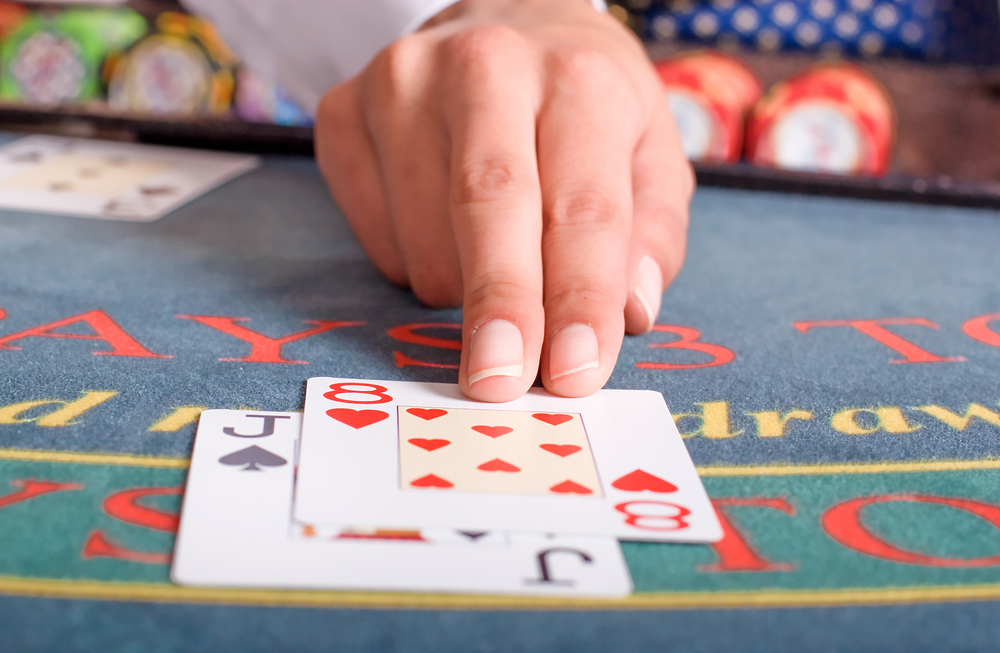
Drawing odds is pivotal in shaping your decisions at the poker table. To capitalize on favorable drawing situations and maximize your chances of success, consider implementing the following strategies:
Pot Odds Analysis
Evaluating pot odds is essential for determining the profitability of chasing your draw. Compare the pot size to the cost of calling a bet to assess whether the potential payoff justifies the risk. If the odds of completing your draw are higher than the ratio of the bet to the pot size, it may be advantageous to continue pursuing your hand.
Consider Implied Odds
While pot odds focus on the immediate odds of completing your draw, implied odds consider potential future bets and the likelihood of opponents paying you off if you hit your draw. When deciding whether to continue with your drawing hand, assess the potential gains from winning a larger pot in later streets.
Positional Awareness
Your position at the poker table can significantly impact the value of your drawing hands. In the early position, exercise caution with marginal draws, as you risk facing multiple bets from players yet to act. Conversely, when in a late position, you can see how other players act before making your decision. Use positional awareness to extract maximum value from your drawing hands and avoid getting trapped in unfavorable situations.
Mix Up Your Play
Avoid falling into predictable patterns by occasionally bluffing with your drawing hands. Balancing your range and representing strong hands can keep your opponents guessing and increase your chances of winning pots, even when you don’t hit your draw. However, use this strategy judiciously and be mindful of your opponent’s tendencies and table dynamics.
Bankroll Management
Effective bankroll management is crucial for weathering the variance inherent in poker, especially when chasing draws. Set aside a portion of your bankroll specifically for playing drawing hands and avoid risking more than you can afford to lose in marginal situations. Maintaining discipline and managing your resources wisely can mitigate the risks associated with drawing hands and ensure long-term profitability.
Continuous Learning and Adaptation
Stay abreast of evolving poker strategies and trends by actively seeking educational resources, analyzing hand histories, and participating in discussions with fellow players. The poker landscape is constantly evolving, and staying ahead of the curve requires a commitment to continuous learning and adaptation. Refine your drawing odds strategies based on new insights and experiences from playing and studying the game.
Conclusion
In conclusion, mastering the calculation of poker drawing odds is a fundamental skill that can greatly enhance your decision-making ability and overall success at the table. By accurately assessing the number of outs, calculating drawing odds using the appropriate formula, and considering factors such as implied odds and potential future bets, you can make informed choices that maximize your profitability over the long term. With practice and experience, you’ll develop a deeper understanding of drawing odds, enabling you to navigate drawing situations with confidence and precision. Incorporate these strategies into your gameplay, refine your skills over time, and watch as your proficiency in calculating drawing odds transforms you into a more formidable and strategic poker player.
FAQs
What are the best tools for calculating drawing odds?
Use various online poker calculators and apps designed specifically for this purpose. These tools can streamline the process and provide accurate probabilities in real-time.
How do drawing odds vary between different poker variants?
Drawing odds can vary depending on the poker variant’s rules and dynamics. Factors such as the number of cards dealt, the number of players, and the availability of community cards can all influence drawing odds.
Are there any shortcuts for estimating drawing odds during a game?
While precise calculations offer the most accurate results, experienced players often rely on shortcuts and mental approximations to gauge drawing odds quickly. Practice and familiarity with common drawing scenarios can enhance your ability to estimate odds on the fly.


