

Mastering the Mind Games: The Art of Slow Rolling Poker
Understanding Slow Rolling Poker
The Psychology Behind Slow Rolling
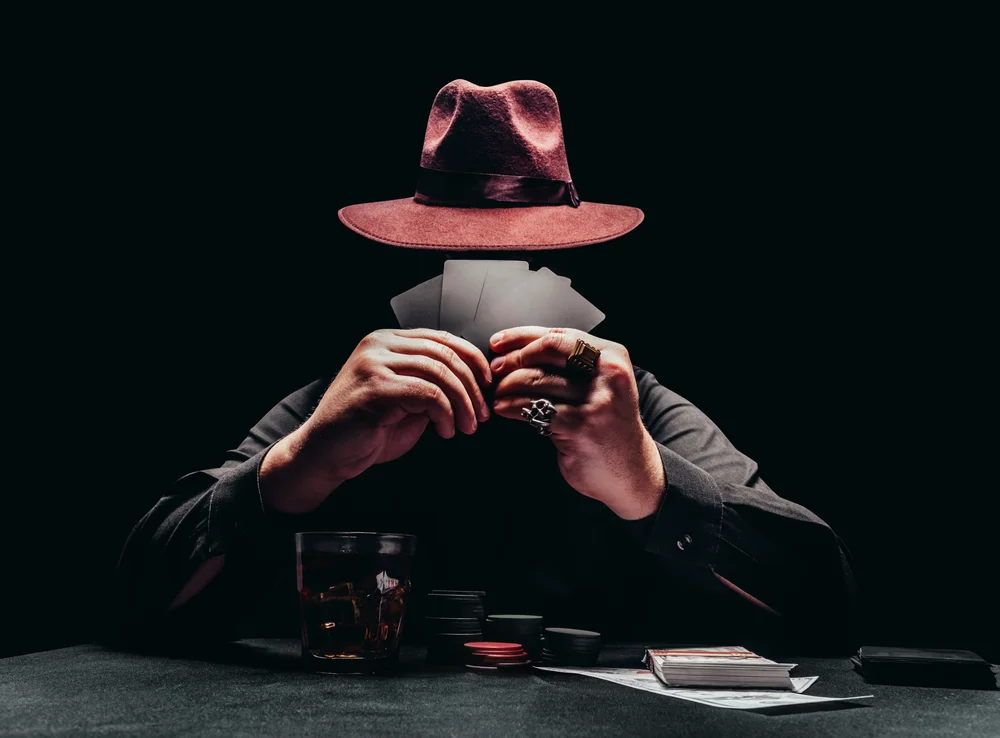
Slow rolling taps into the psychological aspect of poker, exploiting the opponent’s emotions and mindset to gain an advantage. By prolonging the reveal of a winning hand, the slow roller aims to instill doubt, frustration, or overconfidence in their opponent, leading them to make mistakes in future hands.
When to Slow Roll
Knowing when to deploy the slow roll is crucial. It’s not a strategy to be used indiscriminately but rather selectively and strategically. Here are some scenarios where employing a slow roll might be advantageous:
- Established Dynamic: When you have established a dynamic with your opponent where they are prone to making aggressive moves or overestimating their hand strength.
- Big Pots: In high-stakes games or when playing for significant pots, a slow roll can intensify the psychological pressure on opponents.
- Table Image: A well-timed slow roll can catch opponents off guard if you’ve cultivated an image of being straightforward or conservative.
The Etiquette of Slow Rolling

Mastering the art of slow rolling in poker involves more than just strategic gameplay; it requires a keen understanding of the etiquette surrounding this controversial tactic. While slow rolling can be a powerful tool in your arsenal, wielding it with care and consideration for your fellow players is essential. Let’s explore the nuances of slow-rolling etiquette and how to navigate them effectively.
Respect for Opponents
Maintaining respect for your opponents is paramount when considering whether to employ a slow roll. Remember that poker is a game of skill and strategy, and all players deserve to be treated with courtesy and sportsmanship. Avoid using slow rolling to belittle or humiliate your opponents, as this can create a negative atmosphere at the table.
Timely Reveals
Balancing suspense with promptness is crucial once you execute a slow roll. While the purpose of a slow roll is to build anticipation and psychological pressure, excessively prolonging the reveal of your winning hand can lead to frustration and impatience among your opponents. Aim to reveal your hand within a reasonable timeframe to maintain a smooth game flow.
Reading the Room
Understanding the mood and dynamics at the poker table is essential for practicing proper slow-rolling etiquette. Pay attention to your opponents’ reactions and the game’s overall atmosphere. If other players become uncomfortable or irritated with the slow-rolling tactic, consider dialing it back to preserve harmony and enjoyment for all participants.
By adhering to these etiquette guidelines, you can ensure that using slow rolling enhances the game’s strategic depth without detracting from the camaraderie and respect that define the spirit of poker.
Consequences of Slow Rolling
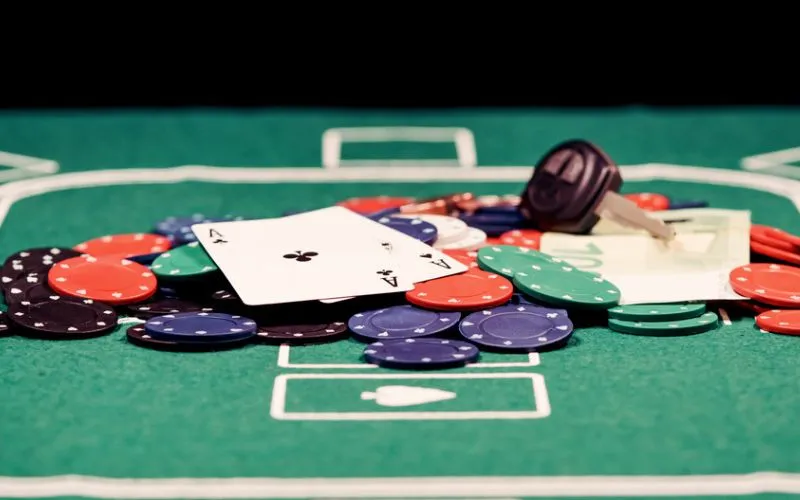
While slow rolling can be effective in certain situations, it’s not without its risks and potential drawbacks. Here are some consequences to consider:
- Damage to Reputation: Excessive or inappropriate slow rolling can tarnish your reputation as a fair and respectful player, leading to negative perceptions among fellow players.
- Backfire Effect: In some cases, slow rolling can backfire, leading to retaliation from opponents or damaging your rapport with them, which may impact future games.
- Regulatory Concerns: In regulated poker environments, slow rolling may violate rules or guidelines regarding fair play and sportsmanship, resulting in penalties or sanctions.
Conclusion
In the intricate world of poker, mastering the art of slow rolling can elevate your gameplay and strategic prowess. However, it’s imperative to approach this tactic with tact, respect, and an understanding of proper etiquette. Slow rolling should enhance the game’s dynamics, not detract from the enjoyment or camaraderie among players. By maintaining respect for your opponents, revealing your hand promptly, and reading the room to gauge the appropriateness of the tactic, you can harness the power of slow rolling effectively. Ultimately, by navigating the etiquette of slow rolling with finesse and consideration, you can contribute to a positive and enjoyable poker experience for everyone at the table.
FAQs
1. Is slow rolling considered cheating in poker?
Slow rolling is not typically considered cheating, as it doesn’t involve manipulating the cards or breaking established game rules. However, it can be perceived as poor sportsmanship if done excessively or inappropriately.
2. Can slow rolling affect my relationships with other players?
Yes, slow rolling can impact your relationships with other players, especially if perceived as disrespectful or unsportsmanlike. Maintaining a positive and respectful demeanor at the table is crucial for fostering good relationships with fellow players.
3. Are there any situations where slow rolling is not advisable?
Slow rolling should be used judiciously and avoided in certain situations, such as friendly games among friends or when playing with inexperienced players who may not understand the tactic. Additionally, if the game’s atmosphere becomes tense or hostile, it’s best to refrain from slow rolling to avoid escalating tensions.


