

Suicide King: The Legend Behind the Iconic Playing Card
You’ve likely noticed the peculiar image of the ‘Suicide King‘ in your deck of cards, a king holding a sword to his head, which stands out starkly among other court cards.
This iconic pose isn’t just a product of artistic fancy; it’s steeped in rich symbolism and a centuries-long history, touching on themes of risk and sacrifice.
Do you know the origin of this intriguing design or why it has persisted through countless generations of card players? Understanding the evolution and significance of the ‘Suicide King’ might just change how you view your next hand.
Key Takeaways
- The Suicide King is the King of hearts, who is depicted stabbing himself with a sword, originating from 15th-century French card designs.
- It symbolizes risk-taking, sacrifice, inner turmoil, and high stakes in card games.
- The dramatic pose likely resulted from artistic errors and interpretations over time.
- The card appears in various cultural references, symbolizing themes of self-destruction and psychological struggle.
- Collectible and modern decks featuring the Suicide King are popular among enthusiasts for their historical and symbolic significance.
Origin of the Suicide King

The Suicide King, known for his striking pose, gets his name from the depiction of the King of Hearts, seemingly stabbing himself in the head with a sword. This unique and somewhat morbid design has intrigued card players for generations.
You might wonder how this came to be. Well, it all started with the Rouen Pattern, a style of playing card design that emerged in 15th-century England.
Originally, French card manufacturers traditionally assigned historical or mythological names to their court cards.
This practice influenced the King of Hearts, who was often associated with Charlemagne, a historical figure from medieval Europe. However, as card designs evolved, the imagery became more stylized and abstract.
The Rouen Pattern played a significant role in shaping the appearance of the King of Hearts. Over time, the intricate designs and details morphed into the iconic image we recognize today.
Despite various changes in card designs over the centuries, the Suicide King has remained a constant and enduring figure.
Symbolism in Card Games
In card games, the Suicide King‘s imagery often symbolizes themes of risk-taking, sacrifice, and unexpected outcomes. When you look at the King of Hearts, you’ll notice he appears to stab himself with a sword.
This striking image immediately sets the King of Hearts apart from the other kings on the deck. The unique design has sparked countless theories and legends about its origin and meaning, making the Suicide King an intriguing figure in card games.
The symbolism of the Suicide King goes beyond just the visual. The King of Hearts can represent high stakes and bold moves in many card games. You’re often reminded that taking risks can lead to great rewards or unexpected downfalls.
The imagery of the sword, seemingly self-inflicted, speaks to the idea of sacrifice, where King’s actions might lead to his undoing. This adds a layer of mystery and allure, captivating players and card enthusiasts alike.
The continued fascination with the Suicide King’s symbolism keeps the card relevant in traditional and modern decks. It is a constant reminder of the delicate balance between risk and reward in card games.
Historical Depictions
He has ever wondered how the morbid image of the Suicide King came to be in our playing cards? The King of Hearts, often depicted as plunging a sword into his head, has a fascinating historical evolution.
This iconic figure in the deck of playing cards originated from French card designs and has evolved over centuries to become the recognizable character we see today.
The imagery of the Suicide King is a result of historical variations in card design, which have preserved unique features from past patterns. Here’s a snapshot of how this came to be:
- French Origins: The design started with French playing cards, where kings were often illustrated with weapons.
- Mistranslations: Over time, copying errors and artistic interpretations turned what might’ve been a harmless pose into a more dramatic ‘suicidal’ image.
- Cultural Preservation: Despite its grim appearance, the Suicide King has been preserved as a distinctive element in modern decks.
- Enduring Symbol: The King of Hearts remains popular, often sparking intrigue and fascination.
- Card Evolution: Historical shifts in artistic styles and printing techniques have all influenced the final depiction of this king card.
Understanding these historical depictions adds depth to our appreciation of this enduring and enigmatic card figure.
Theories and Legends
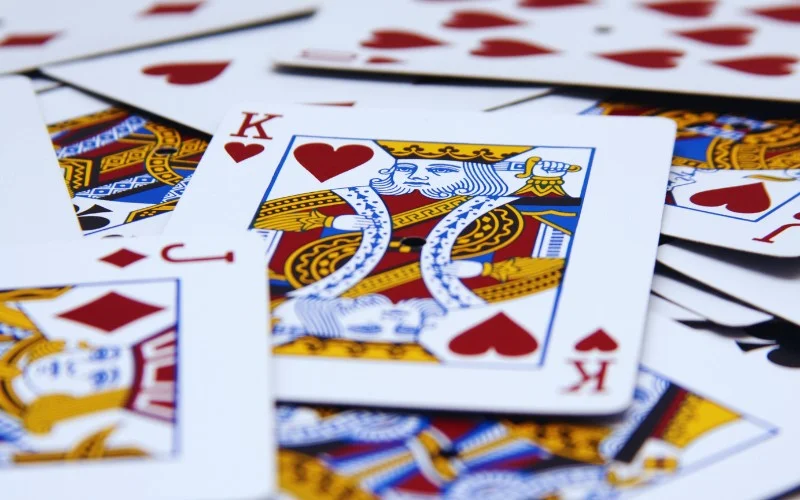
Have you ever wondered why the King of Hearts appears to be stabbing himself? This peculiar depiction, often called the “Suicide King,” has sparked numerous theories and legends.
Some believe the design results from errors during the printing process of playing cards, while others argue it carries intentional symbolism.
|
Theories |
Details |
|
Printing Errors |
Some suggest that over time, the artwork became distorted, leading to the appearance of self-harm. |
|
Symbolism |
Others believe it represents a historical figure or a deeper, hidden meaning. |
|
Mustache Absence |
The missing mustache adds to the mystery, with speculation ranging from oversight to deliberate design. |
The King of Hearts is unlike any other card in a standard deck and is often associated with mystery and intrigue. His distinctive appearance continues to captivate both players and card enthusiasts.
Theories about the King’s mustache—or lack thereof—run wild. Some speculate it was a historical inaccuracy, while others consider it a deliberate choice to set the King apart.
Regardless of the origin, the Suicide King remains a fascinating subject, keeping players guessing and sparking curiosity for generations. Isn’t it intriguing how a single card can hold so much mystery?
Cultural References
You’ll find the Suicide King appearing in various forms of media, from movies to literature, symbolizing mystery and intrigue. This card, part of a standard deck, has captivated audiences and creators alike with its unique design and storied past.
Its depiction of the King of Hearts seemingly stabbing himself has sparked countless interpretations and inspired a range of cultural references.
In literature, the Suicide King often represents themes of self-destruction and inner turmoil. Authors use this card as a metaphor to explore the intricacies of human nature and psychological struggle.
In the film, the card frequently appears in scenes that require a touch of sophistication or high-stakes tension, often reinforcing the dramatic atmosphere. You’ll also notice the Suicide King’s influence in other areas:
- Music: Lyrics and album covers featuring the card evoke themes of risk and consequence.
- Art: Visual artists reinterpret the card’s imagery to examine various emotional and existential themes.
- Television: TV shows use the card to symbolize characters’ internal conflicts or foreshadow pivotal plot twists.
- Video Games: Designers incorporate the card into storylines to signify critical choices or fateful decisions.
- Fashion: Clothing and accessories bearing the card’s image blend elegance and edginess.
Design Evolution
As you appreciate the cultural impact of the Suicide King, it’s fascinating to explore how the card’s design evolved over the centuries. The iconic image of the King of Hearts, now known as the Suicide King, has an intriguing history rooted in misinterpretations.
Originally, English reprints of the Rouen Pattern playing cards led to various design changes. The King of Hearts once wielded an axe, but these erroneous reproductions morphed it into the image of a king seemingly stabbing himself with a sword.
The French card patterns, particularly the Paris Pattern, significantly shaped the face cards we recognize today. As these patterns crossed the English Channel, the designs changed, sometimes due to misunderstandings or printing errors.
Significantly, the King of Hearts lost his mustache in the English versions, further distinguishing him from other kings. Modern playing cards have retained these historical quirks. The enduring image of the Suicide King reflects the complex journey of card design.
Despite the evolution and errors, the King of Hearts remains a vivid and intriguing figure in face cards, blending history and art in each deck.
Role in Cartomancy

In cartomancy, the Suicide King symbolizes profound sacrifice and inner turmoil, prompting you to address difficult decisions. This playing card often signifies a need for self-reflection and letting go of the past.
When it appears in a reading, it challenges you to confront personal issues and emotional struggles head-on. The Suicide King is more than just a card; it represents a pattern of introspection and transformation.
Its presence in a spread can suggest you’re on the brink of significant change, requiring courage and acceptance. Here are some key aspects to contemplate when this card appears:
- Sacrifice: You may need to give up something valuable to achieve a greater good.
- Inner Turmoil: Feelings of conflict and confusion could surf, demanding attention.
- Difficult Decisions: Tough choices are ahead, and they must be addressed with honesty and clarity.
- Self-Reflection: It’s time to look inward and evaluate your emotions and motivations.
- Transformation: Embrace the changes coming your way, as they’re essential for growth.
The imagery of the Suicide King in playing cards is a powerful reminder that even in periods of strife, there’s an opportunity for profound personal growth and transformation.
Popular Misconceptions
Many people mistakenly believe the Suicide King represents actual suicide when, in reality, it’s just a unique design characteristic. ‘Suicide King’ refers to the King of Hearts in a standard card deck.
This nickname arose because the King of Hearts appears to stab himself in the head with his sword. However, this peculiar imagery results from historical inaccuracies in card reproductions.
|
Misconception |
Reality |
|
Represents suicide |
Unique design characteristic |
|
Intentional design |
Historical inaccuracy |
|
Negative meaning |
Neutral imagery |
Contrary to popular belief, the design of the Suicide King didn’t originally depict self-harm. Instead, early card makers misinterpreted and altered the artwork, leading to the current image.
The King of Hearts is one of the most recognizable figures in any card deck, and its striking appearance often leads to misunderstandings.
Because of these misconceptions, the Suicide King has garnered a somewhat ominous reputation. Yet, it’s important to remember that it’s simply a historical quirk in playing cards. The card deck’s design has evolved, but the fascination with the Suicide King’s unique imagery endures.
Modern Interpretations
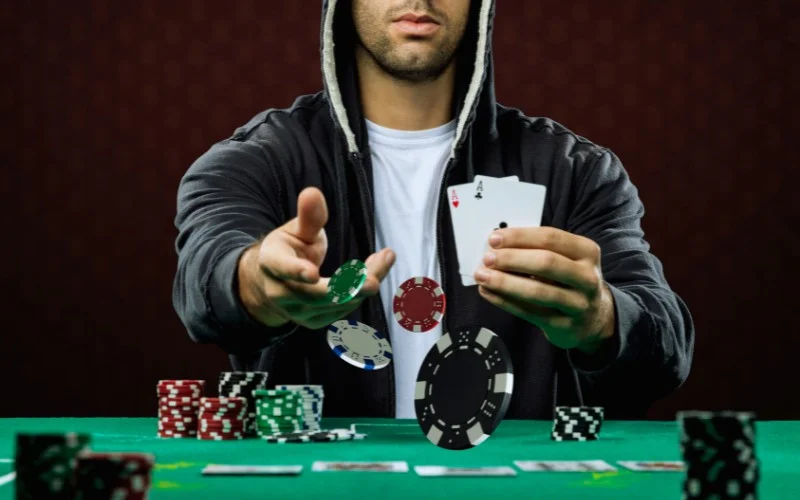
The Suicide King continues to capture the imagination of card players and enthusiasts with its enigmatic and storied design. Modern interpretations of this unique figure explore its mysterious origins and the story behind its distinctive look.
The King of Hearts, often called Charles, has become a subject of fascination not just for its sword-wielding pose but also for its missing mustache.
Today, artists and card designers reimagine the Suicide King in creative ways, often adding their twist to its iconic appearance. Some modern decks highlight the figure’s dark, almost tragic nature, while others emphasize its historical and mythical aspects.
- Artistic reinterpretations: Artists take freedom with the design, creating versions that range from sad to whimsical.
- Pop culture references: The Suicide King pops up in movies, TV shows, and literature, often symbolizing mystery or tragedy.
- Collectible decks: Collectors highly prize special edition playing cards featuring unique takes on the Suicide King.
- Psychological intrigue: The figure’s pose and missing mustache spark discussions about symbolism and mental states.
- Historical exploration: Scholars and enthusiasts investigate the story behind the card’s creation and evolution.
These modern interpretations ensure the Suicide King remains compelling when playing cards.
Conclusion
You’ve now explored the fascinating world of the Suicide King. From its origins and symbolism to its evolving design and cultural impact, this card remains a powerful emblem of risk and transformation.
Whether you’re a card player, an enthusiast, or just curious, the Suicide King invites you to ponder the delicate balance between risk and reward. Embrace its mystique and let it remind you that every bold move carries both peril and potential.


