

The Big Game Poker: How to Play Like a Champion
When you think about televised poker, ‘The Big Game Poker‘ stands out for its unique format and memorable moments. Unlike traditional poker shows, it introduced ‘loose cannons‘—amateur players allowed to compete against seasoned professionals in high-stakes games.
You might recall names like Bob Ferdinand and Nadya Magnus, who brought their flavor to the table. What made this show exceptional wasn’t just the gameplay, strategic depth, and psychological battles that unfolded.
Curious about how these elements created a compelling spectacle? There’s much more to uncover about this groundbreaking show.
Key Takeaways
- The Big Game featured ‘loose cannons’ competing against five professional poker players.
- Loose Cannons were amateurs staked with $100,000 and kept any winnings over that amount.
- The format included $200/$400 blinds and offered a North American Poker Tour passport as a prize.
- Commentary by Joe Stapleton and Chris Rose added color and entertainment to the show.
- The Big Game aired in 2010 and 2011, boosting the popularity of televised poker.
History of The Big Game
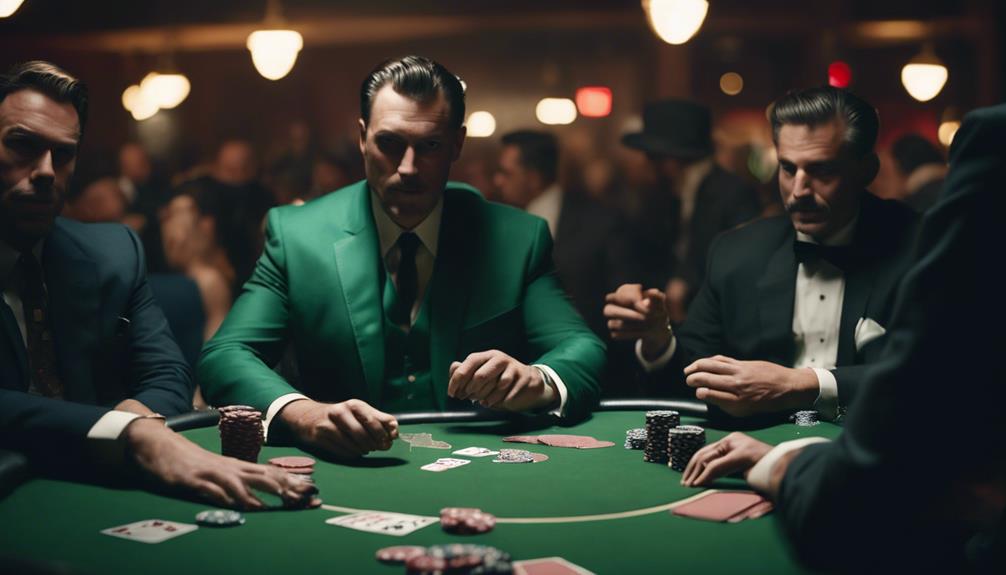
Although poker shows have come and gone, The Big Game, which aired in 2010 and 2011, left a lasting mark with its unique format and high-stakes cash games. You might recall that one of the best elements of the show was the introduction of ‘loose cannons.’
These amateur players were given a golden opportunity to compete against seasoned professionals. If they made over $100,000 in profits, they kept the excess.
The excitement surrounding loose cannons added an unpredictable flair to the game. For instance, Bob Ferdinand, the season one winner, walked away with an impressive $181,500.
Nadya Magnus and Ernest Wiggins also made their mark, winning significant amounts and proving that amateurs could hold their own. This dynamic drew in both poker enthusiasts and casual viewers, greatly boosting the popularity of televised poker during its run.
There’s a buzz about the return of The Big Game in 2024. With a new format, it aims to recapture the thrill of high-level poker play and engage a broader audience. You can expect the return to highlight the best aspects of the original, making it a must-watch for poker fans.
Unique Format Explained
The Big Game’s unique format brought an exciting twist by pitting an amateur, known as the Loose Cannon, against five seasoned professional poker players. This distinct setup made the show a thrilling spectacle as it offered everyday players a shot at glory. Here’s how it worked:
- Loose Cannon Selection: The Loose Cannons were US or Canadian citizens who qualified through PokerStars.net, earning the opportunity to compete on the show.
- Staking and Winnings: Each Loose Cannon was staked $100,000 to play with. They could keep any winnings exceeding this initial stake but couldn’t retain any losses incurred during the game.
- Blinds and Gameplay: The game featured $200/$400 blinds for high-stakes action. A new Loose Cannon joined the game each week, aiming to win big.
- NAPT Passport Prize: The Loose Cannon, who amassed the most money during their week on the show, earned a coveted North American Poker Tour passport, adding an extra layer of competition.
With its unique format, The Big Game brought a fresh dynamic to poker, blending amateur ambition with professional expertise and keeping viewers on the edge of their seats.
Season One Highlights

Season one of The Big Game dazzled viewers with thrilling moments and standout performances. Bob Ferdinand was unquestionably the star, clinching the grand prize with a whopping profit of $181,500. His consistent poker skills and strategic plays impressed the audience and the panel of judges.
But Ferdinand wasn’t the only highlight. Loose cannons like Nadya Magnus and Ernest Wiggins also had their share of the spotlight, walking away with substantial winnings during their respective weeks.
Their bold moves and unique strategies kept the game unpredictable and exciting. Joe Stapleton and Chris Rose’s colorful commentary added another layer of entertainment, making each episode even more engaging.
Their witty banter and insightful analysis kept you hooked, explaining the intricacies of each play and making complex strategies accessible. The season showcased a diverse array of loose cannons, including Aaron Jensen and Elizabeth Houston, each bringing their unique flair.
These players demonstrated that anyone could compete at the highest level, adding to the highlights of season one. Bob Ferdinand’s final victory was a fitting end to a season filled with unforgettable poker moments, setting a high bar for future seasons.
Memorable Loose Cannons
Among the unforgettable Loose Cannons, Nadya Magnus stands out with her impressive $63,600 win in Season 1 of The Big Game. Her victory wasn’t just about the money; it demonstrated her poker skills and strategic gameplay.
Nadya’s performance was so outstanding that she secured a North American Poker Tour (NAPT) package, a coveted prize among Loose Cannons. You can’t discuss memorable Loose Cannons without mentioning the selection process.
It’s a shootout format judged by a panel of experts, ensuring only the most skilled players get a shot. Nadya Magnus wasn’t the only standout; Nikki Limo and Lily Newhouse also made their mark as Loose Cannons.
Each brought their unique style and strategies to the table, making Season 1 a thrilling watch. Here’s why these Loose Cannons are memorable:
- Nadya Magnus: Won $63,600 and earned a NAPT package.
- Nikki Limo: Known for her strategic and unpredictable play.
- Lily Newhouse: Brought fresh energy and unique tactics.
- Selection Process: Involves intense competition judged by experts.
These players didn’t just participate; they left a lasting impact on The Big Game, showcasing that Loose Cannons can indeed turn the tables.
Season Two Highlights
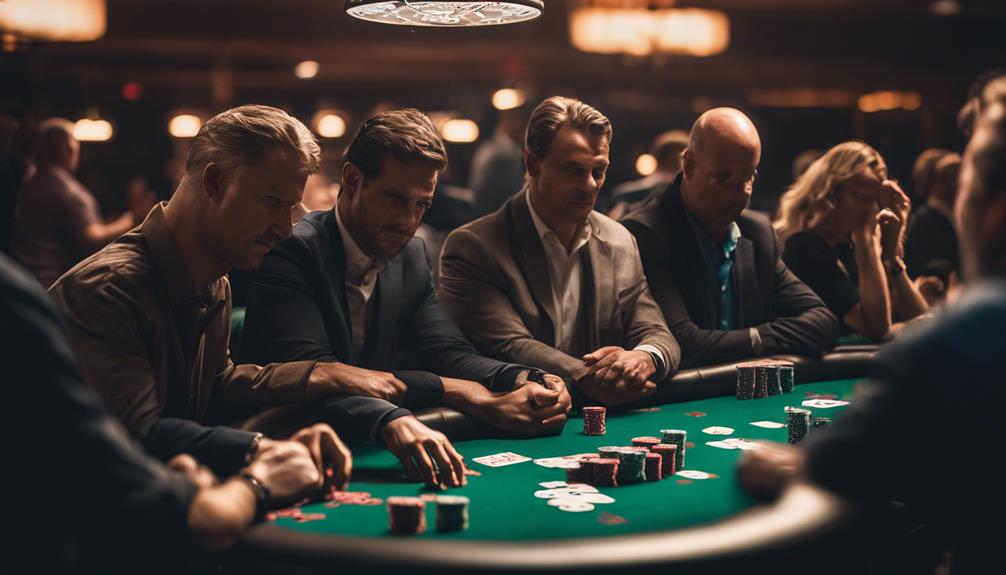
You might remember Season Two of The Big Game for its fresh format that kept loose cannons from returning for another week. This twist added a new layer of excitement and unpredictability, ensuring each week featured new faces and strategies.
Loose cannons like Gonzales Cannon II and Massimiliano Martinez made their mark, bringing unique styles to the table. The season also saw the participation of notable loose cannons like Cari Bershell and Ken Hrankowski, who navigated the high-stakes environment with varying degrees of success.
The format change aimed to keep the game loose and dynamic, preventing any single player from dominating the spotlight for too long. Season Two followed the dismantling of the North American Poker Tour (NAPT), making it a significant period for poker enthusiasts.
The re-launching of The Big Game during this time filled a void and reignited interest in televised poker. The fast-paced action and rotating cast of characters kept viewers on the edge of their seats, excited to see who’d rise and who’d fall.
Notable Players
While Season Two captivated audiences with its dynamic format, the show wouldn’t have achieved such acclaim without the participation of notable players like Doyle Brunson, Daniel Negreanu, and Phil Hellmuth. These poker legends brought unparalleled expertise and personality, making each episode a must-watch.
- Doyle Brunson: Known as the ‘Godfather of Poker,’ Doyle’s presence added a touch of old-school charm and wisdom. His decades of experience and two World Series of Poker Main Event titles made him a formidable opponent.
- Daniel Negreanu: With his charismatic personality and sharp poker instincts, Daniel quickly became a fan favorite. His ability to read opponents and make bold moves kept viewers on the edge of their seats.
- Phil Hellmuth: The ‘Poker Brat’ lived up to his nickname, delivering memorable rants and emotional outbursts. Phil’s 16 World Series of Poker bracelets and strategic acumen made him a key player in high-stakes moments.
- Celebrity Participation: Celebrities like Don Cheadle and Norm Macdonald added a unique twist, bridging the gap between professional poker and mainstream entertainment.
These notable players, along with ‘loose cannons’ like Ernest Wiggins and Amanda Leatherman, created an unpredictable and thrilling atmosphere that contributed significantly to the show’s success.
Strategic Gameplay
In high-stakes poker, strategic gameplay is the key to outsmarting your opponents and claiming victory. Players in The Big Game showcase their prowess through careful decision-making, expert bluffing, and keen hand analysis. It’s not just about the cards you’re dealt; it’s about how you play them.
Adjusting to your opponents, reading their actions, and making calculated moves are essential to winning hands. Successful players mix aggression with deception and risk management to stay ahead. They know when to push hard and when to pull back, keeping their opponents guessing.
As highlighted by commentators Joe Stapleton and James Hartigan during Pokerstars North American Poker events, strategic thinking and patience are crucial. It would be best to employ psychological tactics to get inside your opponents’ heads and outplay them.
Understanding poker fundamentals, odds calculation, and game theory is critical in The Big Game. It’s a dynamic environment where you must constantly adapt and refine your strategy.
Watching The Big Game, you’ll see that it’s not just about luck; it’s about skill, timing, and the ability to read the table. Mastering these elements can give you the edge needed to dominate high-stakes poker.
Impact of TV Coverage
Televised coverage of The Big Game has revolutionized the poker world by drawing in new fans and showcasing the high-stakes action in an engaging format.
Watching these cash games unfold from the comfort of your home allows you to witness the thrill and intensity of playing poker at such high levels.
The TV format brings you closer to the heart of Las Vegas, where the action happens, and lets you see top players’ strategies and skills for dominating the table. Television’s impact goes beyond just viewership; it enhances the entire poker experience.
You get to see the memorable moments, from dramatic bluffs to massive wins, capturing the competitive and psychological facets of the game. Player dynamics, including strategic moves and table banter, make the show even more enthralling.
Here are four ways to enhance your viewing experience:
- Focus on Player Strategies: Pay attention to how players employ different tactics.
- Enjoy the Banter: The conversations and mind games add a layer of entertainment.
- Learn from the Pros: Watch top players’ skills and techniques to improve your game.
- Relish the Drama: Embrace the unpredictable nature of ‘loose cannons’ and high-stakes moments.
Future of The Big Game

The Big Game on Tour is set to revolutionize poker with its unique cash game format and engaging Loose Cannon qualifier. By re-imagining and re-launching this iconic series, they’re poised to deliver the best poker content to hardcore fans and new audiences.
The format, featuring two No-Limit Holdem cash game tables, guarantees high-level play by top poker players, making each episode a must-watch. The auditions, held on November 6 and 7, bring excitement with hosts James Hartigan and Joe Stapleton on the judging panel.
This creates a dynamic and interactive process for selecting the Loose Cannon qualifiers. Exclusive satellites at NAPT Las Vegas on November 5 offer players a unique chance to qualify for free entry, making the event accessible and thrilling.
| Event | Date |
|---|---|
| Exclusive Satellites | November 5 |
| Auditions | November 6-7 |
| Filming | November 8-9 |
The Big Game on Tour’s 10-episode format is designed to captivate, combining familiar faces with fresh talent. Creating the best poker experience is not just a show; it’s a new chapter in poker entertainment. Prepare for a re-imagined poker journey that promises to be engaging and unforgettable.
Conclusion
You’ve seen how The Big Game Poker captivated audiences with its unique format and unforgettable moments. From the intense strategies of seasoned pros to the thrilling victories of loose cannons, every episode kept you on the edge of your seat.
The show’s impact on televised poker is undeniable, and its legacy continues to inspire new players. As you look to the future, you’ll surely watch for any revival of this poker phenomenon.


