

What is a Cooler in Poker? Explained with Strategy Examples
Have you ever played a game of poker where you find yourself with an unbeatable hand, only to end up losing against a stronger hand? This is not magic – it’s a so-called ‘cooler’. Though unavoidably devastating, coolers are part and parcel of poker’s complex and exciting world. They can make or break your play, and recognizing them is crucial in any strategic poker playbook. Brace yourself as we deeply dive into understanding the cooler in poker, complete with exemplary strategy scenarios from world-renowned players. We guarantee that by the end of this blog post, you won’t be left out in the cold!
In poker, a cooler refers to a situation where a player with a strong hand loses to an opponent with an even stronger hand. It is considered bad luck rather than bad play. Coolers can be difficult to navigate because sometimes the correct decision is still to call or bet strong despite knowing your hand might not be good enough to win. Identifying whether a situation was truly a cooler or if it was a mistake on the player’s part is crucial in improving poker play.
Defining Poker Cooler
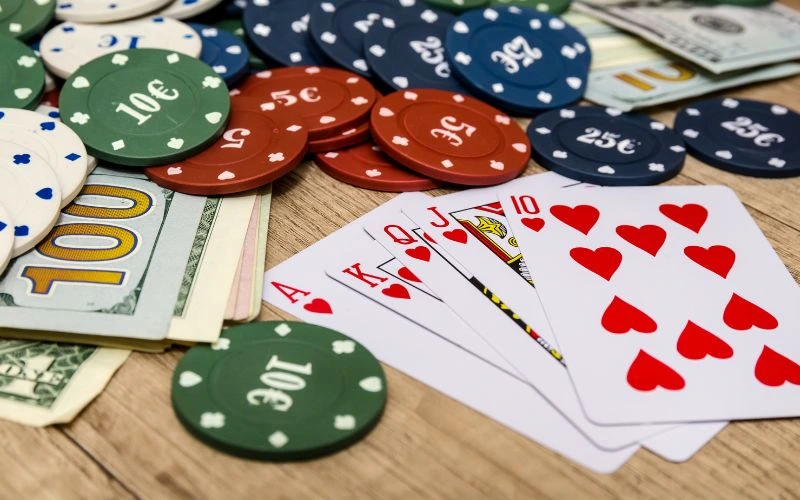
In the thrilling world of poker, a cooler describes a situation where a player with a strong hand loses to an opponent with an even stronger hand. It’s like being dealt a seemingly unbeatable hand only to discover that your opponent has been dealt an even more powerful one. Coolers are known for their ability to create intense heartbreak or frustration because they often occur when both players involved have played their hands correctly.
When talking about coolers, it’s important to note that they are not necessarily bad plays or mistakes. Instead, they stem from the unfortunate result of bad luck. Imagine holding pocket kings (KK) and going all-in against an opponent who reveals pocket aces (AA). In this scenario, you’ve made the right decision with your strong hand, but your opponent holds an even stronger one.
Experiencing a cooler can be incredibly frustrating because it seems as if there was nothing you could have done differently to avoid it. The entertainment value of coolers lies in the drama and tension they create, as they showcase the power of luck and contrast it with skillful gameplay.
Cooler Scenarios in High Stakes Games
Poker has witnessed countless epic cooler scenarios that have become legendary in the poker community. Let’s explore some notable cooler moments that occurred in high-stakes games:
One of the biggest pots in the history of High Stakes Poker featured a clash between Daniel Negreanu and Gus Hansen. On this hand, Negreanu held pocket aces (AA), while Hansen had pocket kings (KK). With such premium hands, both players were destined to go all-in preflop. Unfortunately for Negreanu, an unlikely king landed on the flop, delivering an unavoidable cooler and costing him a massive pot.
Another memorable cooler unfolded when Benny Spindler and Alex Gomes clashed at a European Poker Tour event. Spindler held pocket aces (AA), while Gomes had pocket kings (KK). The pre-flop betting was intense, and both players were committed to the pot. The board ran out with four hearts, resulting in a flush for Spindler and leaving Gomes devastated with one of the worst poker coolers in recent history.
These examples illustrate the nature of coolers, where strong hands collide and leave even seasoned professionals reeling from their inevitable losses. But what factors contribute to the impact of these coolers on the game outcome?
Impact of Coolers on Game Outcome
In the intricate game of poker, coolers are a harsh reality that can significantly impact the outcome of a hand or even an entire game. A cooler occurs when a player holds a strong hand but is outmatched by an opponent with an even stronger hand. This often leads to sizable losses in terms of chips and confidence. Coolers’ emotional toll on players is profound, sometimes leading to frustration, anger, or self-doubt. However, it’s essential to understand that coolers are not necessarily indicative of poor gameplay or strategy but unfortunate circumstances driven by luck.
Imagine holding pocket kings (KK) as your hole cards—a strong starting hand typically in the top-tier of hands. You confidently raise and receive calls from a few opponents. The flop reveals K-8-3, giving you a set—three-of-a-kind kings—which is a tremendous advantage. As the betting proceeds, another player reveals pocket aces (AA) during the showdown. Despite your great play and strong hand, you are cooled by the unbeatable hand of aces over kings.
While coolers can be disheartening, they add an exciting element to the game and remind us that poker is not solely about skill but also about the unpredictable nature of chance. Understanding this dynamic prepares players for playing poker’s exhilarating highs and disappointing lows.
Addressing Coolers in Gameplay Strategy
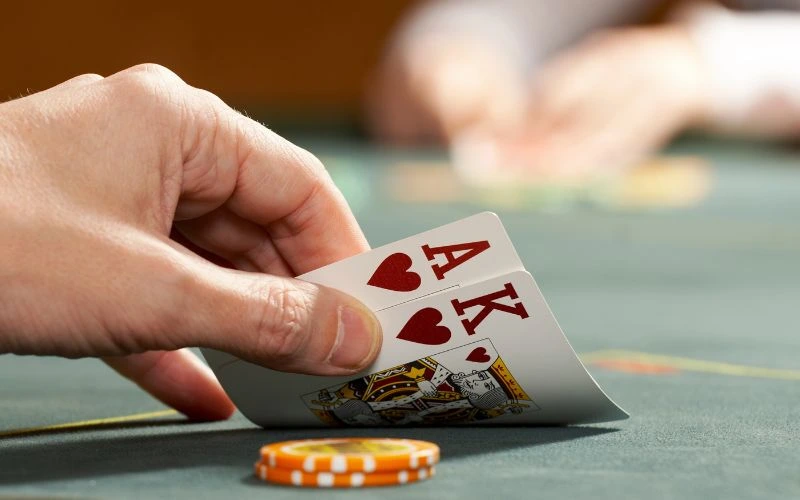
When confronted with coolers, players must approach them strategically to minimize their negative impact on their gameplay. First and foremost, it’s crucial to maintain composure and avoid tilting—a state of emotional distress that impairs decision-making. Recognize that coolers are part of the game and can happen to anyone. Accepting this fact allows you to refocus on making rational decisions rather than dwelling on what could have been.
To address coolers effectively, it’s essential to differentiate them from situations that may appear similar but result from mistakes in your play. Analyzing hand histories and seeking feedback from experienced players or poker coaches can aid in identifying whether a situation was genuinely cooler or if there were opportunities for better decision-making.
It’s worth noting that coolers can differ depending on factors such as pot size and stack sizes. In deeper-stacked games, players have more maneuverability and can potentially fold before encountering severe damage. Understanding these nuances allows for better decision-making in subsequent hands.
Regarding strategy, some players advocate for playing tighter to reduce the likelihood of coolers. While this may seem logical, excessively tight play can lead to missed opportunities and exploitation by opponents. Striking a balance between caution and aggression is crucial. Adjusting your mindset to accept the possibility of being stacked while still making optimal plays is key; after all, coolers are an inherent part of poker’s allure and entertainment value.
It’s also worth considering whether embracing riskier strategies could be a viable approach to circumvent coolers. By utilizing creative betting lines and employing effective bluffing tactics, players may be able to manipulate opponents into making suboptimal decisions or folding strong hands that could potentially lead to a cooler scenario.
Addressing coolers in gameplay strategy is akin to navigating rough waters while sailing. Instead of fighting against the tide, skilled sailors learn how to adjust their course, utilize favorable winds, and make the best out of challenging circumstances.
Now that we’ve explored the impact of coolers on game outcomes and discussed ways to address them strategically let’s dive into the critical task of identifying coolers as they unfold during gameplay.
When confronted with coolers in poker gameplay, it’s important to maintain composure and avoid emotional distress. It’s essential to differentiate coolers from situations that may appear similar but result from mistakes in your play. Adjusting your mindset to accept the possibility of being stacked while still making optimal plays is key. Embracing riskier strategies could be a viable approach to circumvent coolers. Addressing coolers in gameplay strategy is akin to navigating rough waters while sailing.
Identifying and Reacting to Coolers
Identifying a cooler in poker is crucial to reacting appropriately and handling the situation effectively. A cooler refers to a scenario where a player with a strong hand loses to an opponent holding an even stronger hand. It is often an unavoidable outcome of the game, as both players usually have strong holdings. However, it can still be difficult to swallow emotionally, especially when significant amounts of money are at stake.
So, how can you identify a cooler? One key aspect is understanding your opponent‘s range and the likelihood of them having better hands. Please pay attention to their betting patterns, previous actions, and any information you have gathered throughout the hand. If you, as a player, hold a strong hand behind your opponent’s range, you might face a genuine cooler.
Reactions to coolers vary depending on the player and their mindset. Some might become frustrated or tilt due to losing despite making correct decisions. It’s important to stay calm and composed during such situations. Accept that coolers are part of the game and cannot always be avoided.
One strategy for reacting to coolers is focusing on long-term profitability rather than short-term results. Remember that coolers can happen to anyone, including top professionals. Maintaining proper bankroll management and making solid decisions over time gives you the best chance of succeeding in the game.
For example, you have pocket Kings (KK), and your opponent has pocket Aces (AA). The flop comes with two Kings and one Ace. This situation might seem like a dream come true for you as it suggests a possible victory with a full house or four of a kind. However, your opponent holding Aces creates an inevitable cooler where they have the superior hand – quad Aces.
In this case, reacting appropriately would involve accepting that cooler as an unlucky event and not dwelling on the loss. Rather than letting frustration or disappointment affect your decision-making, maintain a level-headed mindset and continue playing your best poker.
- According to a study conducted by the University of Nevada, Las Vegas, approximately 12% of all hands dealt in a typical game of Texas Hold’em result in what can be considered a cooler situation.
- Regarding online poker, statistics from PokerTracker show that coolers occur in around 5% to 10% of hands played, varying depending on the type and level of the game.
- A study from Harvard University revealed that, despite being exceedingly rare, about 0.15% of hands in No-Limit Texas Hold’em specifically result in cooler situations where one player has a set and their opponent flops a straight or flush.
Case Studies: Famous Poker Coolers
Poker history is filled with memorable coolers that have stunned players and audiences. Let’s explore a few famous examples to gain further insights into how coolers can shape the outcome of a hand and even impact an entire game.
- Daniel Negreanu versus Gus Hansen – In one of the most iconic moments from High Stakes Poker history, Negreanu held pocket Aces while Hansen had pocket Kings. The board showed four hearts as the chips were all-in, giving Hansen a flush to beat Negreanu’s set of Aces. The pot was worth nearly $575,000, making it one of the biggest cooler pots in television poker.
- Benny Spindler bullies Alex Gomes – In this cooler scenario at the European Poker Tour Berlin Main Event, Gomes held pocket Aces while Spindler had pocket Kings. They both got their chips in, only for the board to bring four spades, with Spindler holding the King of Spades. This gave Spindler a flush and left Gomes with a devastating loss.
- Sam Farha versus Oliver Hudson – The first hand of the 2005 World Series of Poker (WSOP) Main Event witnessed an epic cooler between Farha and Hudson. Farha had pocket Kings, while Hudson held pocket Queens. All the chips entered the middle, and the board revealed one Queen and two Kings. Farha lost to Hudson’s set of Queens, setting a dramatic tone for an unforgettable tournament.
These case studies demonstrate that even top professionals experience coolers that can result in significant losses or shifts in momentum during a game. It’s crucial to analyze and understand these situations in poker history to develop a better perspective on the certainty of coolers.
Understanding how coolers have impacted poker games throughout history can provide valuable insights into the nature of the game and help players cope with inevitable losses. Let’s now explore how to deal with and learn from coolers, incorporating strategies to maintain a positive mindset and enhance poker play.
Dealing with and Learning from Coolers
When faced with a cooler in poker, it’s essential to maintain composure and make sound decisions despite the frustration or disappointment that may arise. While coolers can be disheartening, they are an inherent part of the game and happen to every player at some point. How you handle these situations can greatly impact your overall performance at the table.
Firstly, it’s important to accept that coolers are simply bad luck and not a reflection of your skill as a player. Even the most experienced and skilled professionals fall victim to them. By recognizing this fact, you can avoid becoming discouraged or feeling defeated by unfortunate circumstances.
Being able to differentiate between a genuine cooler and a mistake on your part is crucial in improving your poker play. Sometimes, what may initially appear as a cooler could be traced back to a questionable decision earlier in the hand. Analyzing each hand objectively and honestly will help you identify areas for improvement in your strategy and decision-making process.
For instance, let’s imagine you hold pocket Kings (KK) preflop and face an opponent who raises all-in with pocket Aces (AA). This is undoubtedly a classic example of a cooler situation – where you have a strong hand still behind your opponent’s range. It would be unwise to fold KK in this scenario since it’s rare to encounter such strong holdings against each other. Accepting the inevitable loss and remaining level-headed is key.
Furthermore, while it is tempting to dwell on past coolers, it is crucial not to let them affect future decision-making. Dwelling on losses can lead to emotional play, often resulting in more detrimental outcomes. Instead, focus on maintaining discipline and making rational choices based on available information.
Imagine you’re playing basketball, and despite being skilled and accurate, there are times when your shots don’t go in due to factors outside your control, such as wind or an uneven hoop. Getting frustrated and letting that affect your future shots will only hinder your performance. Similarly, viewing coolers in poker as uncontrollable external factors can help you detach emotionally and continue playing your best game.
While dealing with coolers at the moment is important, it is equally crucial to learn from these experiences to improve your overall poker strategy.
“In every loss, there is a lesson. If you choose to learn from it, you become wiser. If not, you remain stagnant.” – Unknown.
Reflecting on past hands can provide invaluable insights into your opponents’ tendencies and decision-making process. It allows you to recognize patterns, identify potential leaks in their gameplay, and adjust your strategies accordingly. By learning from coolers, you can turn negative experiences into positive opportunities for growth and development as a player.
Coolers are a tough fact of poker life, but their entertainment value is great. They create thrilling moments and intense competition at the table. Embrace them as part of the game and focus on consistently making well-informed decisions to maximize your long-term success.


