

Becoming a Professional Poker Player: Your Path to Success
Poker, often called the “thinking man’s game,” has garnered immense popularity worldwide. While many enjoy poker as a recreational activity, some aspire to take their passion to the next level and become professional poker players. This journey from casual player to professional is challenging, but it can be achieved with the right strategies and dedication. This comprehensive guide will delve into professional poker, offering insights, tips, and advice on this exciting and rewarding path.
The Path to Professionalism

The journey to becoming a professional poker player begins with mastering the basics of the game. Understanding the rules and various poker variants and developing fundamental strategies is essential. Building a strong foundation through practice is the first step in this demanding endeavor.
Master the Basics
Building a strong foundation is essential before aspiring to become a professional poker player. Begin by thoroughly understanding the game’s rules, variants, and basic strategies. Dedicate time to practice and hone your skills, both online and offline.
Bankroll Management
One of the most crucial aspects of professional poker is effective bankroll management. Learn how to budget your poker funds, set limits, and avoid going on tilt. Having a solid bankroll ensures you can weather the inevitable swings in the game.
Study the Pros
To learn from the best, study the strategies and techniques employed by professional poker players. Books, videos, and online courses are valuable resources. Analyze their gameplay and decision-making processes to enhance your own.
Build a Network
Connect with fellow poker enthusiasts and professionals. Join poker forums, engage with poker communities, and attend live events when possible. Networking can open doors to valuable opportunities and mentorship.
Online vs. Live Poker

Aspiring professionals face a choice between online and live poker. Online poker offers accessibility and diverse stakes and games for skill development. Conversely, live poker provides the excitement of physical interactions and tells, attracting those who thrive in the ambiance of brick-and-mortar casinos.
Online Poker
The online poker scene offers convenience and accessibility. It’s an ideal platform for beginners to practice and learn the ropes. Online poker also provides various stakes and game types to suit your skill level.
Live Poker
Live poker, on the other hand, offers a unique experience with physical interactions and tells. It’s the domain of many professional players who thrive in the atmosphere of brick-and-mortar casinos. Building live poker skills is essential for a well-rounded professional.
Challenges and Pitfalls

Professional poker players must confront variance, mental toughness, and financial stability. Conflict, the element of luck in poker, requires emotional control during inevitable winning and losing streaks. Mental toughness is crucial to withstand emotional swings, while financial stability involves sound bankroll management and treating poker as a business.
Variance
Poker is a game of skill, but it also involves an element of luck. Professional players must be prepared for variance, which can lead to both winning and losing streaks. Managing emotions during downswings is crucial.
Mental Toughness
The mental aspect of poker cannot be underestimated. Developing resilience, discipline, and focus is essential to thrive as a professional player. Many players struggle with tilt and emotional swings, negatively impacting their performance.
Financial Stability
Professional poker players must be financially stable. This involves having a sufficient bankroll, understanding taxes, and maintaining a backup plan in case of unforeseen circumstances. Being a pro means treating poker as a business.
Long-Term Planning

Long-term success in professional poker hinges on setting clear goals, staying committed to continual learning, and maintaining professionalism. Defining objectives keeps players motivated while staying updated with evolving poker strategies, and treating the game as a profession ensures sustainable progress.
Set Clear Goals
Define your goals as a professional poker player. Whether achieving a specific bankroll milestone or winning a prestigious tournament, having clear objectives keeps you motivated and focused.
Continual Learning
Poker is an evolving game. Stay updated with the latest strategies, trends, and innovations. Join discussion forums, read poker literature, and watch high-stakes games to stay ahead of the curve.
Professionalism
Treat poker as a profession, not just a hobby. This means being disciplined with your schedule, managing your finances responsibly, and striving for improvement.
Resources and Support
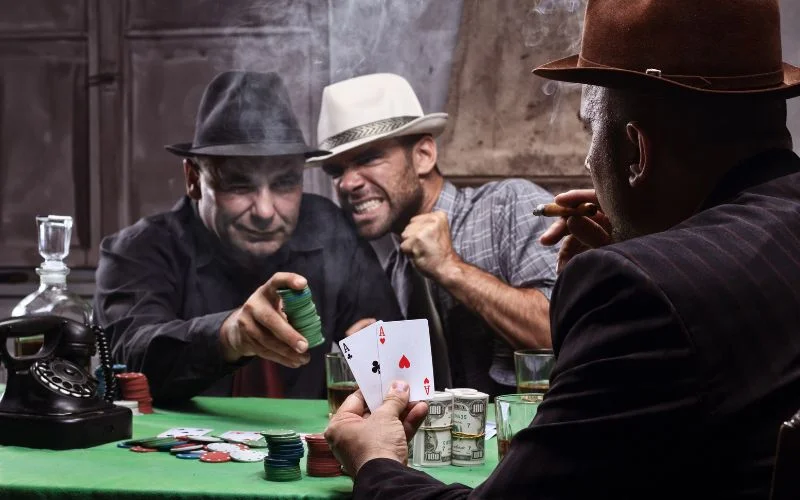
Professional poker players benefit from resources like coaching, tracking software, and supplemental income streams related to poker. Coaches and mentors accelerate skill development, tracking software aids performance analysis, and alternative income sources provide financial stability.
Poker Coaching
Consider enlisting the help of a poker coach or mentor. Professional guidance can accelerate your learning curve and provide valuable insights into your gameplay. Coaches can pinpoint weaknesses and help you refine your strategies.
Tracking Software
Invest in tracking software like Hold’em Manager or PokerTracker. These tools help you analyze your performance, track statistics, and identify areas for improvement. Data-driven decision-making is a hallmark of professional players.
Bankroll Supplements
Explore additional income streams related to poker, such as content creation, streaming, or writing about the game. These endeavors can supplement your bankroll and provide financial stability during volatile periods.
Legal and Tax Considerations

Understanding the legal status of poker in your jurisdiction is vital to avoid legal issues. Additionally, professional poker players may be subject to taxation on their winnings. Complying with local laws and seeking professional tax advice is essential for financial planning.
Legal Status
Research the legal status of poker in your jurisdiction. Some places classify poker as gambling, while others consider it a game of skill. Comply with local laws and regulations.
Tax Obligations
Professional poker players may be subject to taxation on their winnings. Consult a tax professional to understand your tax obligations and take advantage of any deductions.
Bankroll Reserve
Maintain a portion of your bankroll as a reserve for taxes. This ensures you won’t be caught off guard when it’s time to pay your tax bill.
Conclusion
Becoming a professional poker player is a journey that demands dedication, skill, and continuous learning. Whether you focus on online or live poker, mastering the basics, managing your bankroll, and developing mental fortitude are key components of success. By networking with peers and studying the strategies of the pros, you can embark on a fulfilling career in the world of professional poker. Remember that while the road may be challenging, the rewards of a successful poker career are well worth the effort.
FAQs
1. What’s the minimum bankroll needed to turn pro?
To comfortably transition to professional poker, a bankroll of at least 20 to 30 times the buy-in for your chosen stakes is recommended. This cushion helps you withstand downswings and avoid going broke.
2. How do I manage my emotions during bad beats?
Emotional control is vital. Practice mindfulness, take breaks, and avoid playing when angry or frustrated. Remember that bad beats are part of the game, and your long-term skill will prevail.
3. Can I become a pro without playing online poker?
While online poker is a valuable training ground, some players exclusively focus on live poker. It’s possible to become a professional solely through live play, but mastering both formats can make you a more versatile player.
4. Are there risks of burnout in professional poker?
Yes, burnout is a real concern. Maintain a healthy work-life balance, set clear goals, and consider seeking professional help if you experience excessive stress or burnout symptoms.
5. What are the career prospects for professional poker players?
Poker offers the potential for a lucrative career, but it’s important to have realistic expectations. Some players achieve fame and fortune, while others earn a steady income. Your success depends on skill, dedication, and bankroll management.


