

Poker Terminology: A Complete Glossary of Poker Terms
Prepare to elevate your poker game to new heights! If you’ve ever sat at a poker table feeling clueless as a joker amid kings because you couldn’t understand the terminology, this comprehensive glossary is your winning hand. Our detailed guide, ‘Poker Terminology: A Complete Glossary of Poker Terms, ‘ guarantees that you’ll talk the talk while walking away with the pot—a rich mix of knowledge and confidence. Ditch the confusion; let’s break down every bit of poker parlance and turn those flustering moments around the table into times of absolute triumph.
Our website provides a comprehensive glossary of poker terms organized alphabetically from A to Z. Each entry includes a definition, explanation, and example to help you understand the word in context. Additionally, we provide strategy advice and important concepts such as card removal and blocker effects. Our poker terminology section is an excellent reference for beginners and experienced players looking to improve their game knowledge.
Comprehensive Glossary of Poker Terms

Understanding the terminology in the captivating poker world is crucial for navigating the game confidently. To aid beginners and seasoned players, we present a comprehensive glossary of poker terms covering everything from common phrases to advanced concepts. Whether sitting at a table or tuning into a televised tournament, having a firm grasp of these terms will enhance your gameplay and overall poker experience.
Starting from Ace High, which refers to a hand where the highest-ranking card is an Ace, and moving through various terms such as Action (the act of taking part in the game through betting, folding, or calling) and Aces Up (a hand containing two pairs, one of which are Aces), this glossary provides detailed definitions and explanations for each term. We’ve also included example scenarios to help clarify their usage and showcase how they impact gameplay.
With every term meticulously organized alphabetically, from Add-On to All-in and from Angle shooting to Ante, finding the information you need is effortless. Additionally, important strategic advice and concepts such as card removal and blocker effects will equip you with insights that can significantly improve your decision-making at the table.
As an example, let’s explore the term Bad Beat Jackpot. This phrase refers to an optional side bet many casinos offer where players contribute a small amount each hand to a separate pot. The jackpot is won when a player with an exceptionally strong hand loses to another player with an even stronger hand. What makes a “bad beat” is subjective but generally involves certain qualifying criteria regarding hand strength.
By familiarizing yourself with these terms, you’ll become more adept at analyzing game situations, understanding opponents’ strategies, and making informed decisions based on your knowledge of poker theory.
Now that we have a solid foundation of poker terminology let’s delve into a selection of terms ranging from Ace High to Donk Bet that provide further insights into the exciting world of poker gameplay.
From Ace High to Donk Bet

The journey through poker terminology begins with Ace High, as mentioned earlier. This term describes a hand where the highest-ranking card is an Ace. While it may not be particularly strong, an Ace High hand can prevail against lower-ranking hands if used strategically.
Moving along, we encounter terms like Action, encompassing a player’s participation in the game through activities such as betting, folding, or calling. Understanding each player’s action can help you gauge their confidence in their hand and inform your decision-making process.
Another term worth exploring is the Donk Bet. It refers to a somewhat unconventional move where a player out of position in the previous betting round becomes the first to bet in the current game. This unexpected play often aims to exploit opponents’ tendencies and gain an advantage in the hand.
As you dive deeper into the glossary, you’ll encounter numerous other intriguing terms and concepts that shape poker gameplay. Each term sheds light on key aspects such as betting strategies, hand rankings, table position dynamics, and psychological elements that come into play when pitting your skills against fellow players.
Now equipped with an understanding of some key poker terms from Ace High to Donk Bet, it’s time to apply this knowledge as we explore poker terminology.
Understanding Poker Action Terms

In the thrilling world of poker, Action terms play a pivotal role in determining players’ strategies and shaping the course of the game. Whether you’re a seasoned player or just starting, it’s essential to understand these terms to navigate the table confidently. Let’s dive into some common poker Action terms and their meanings:
Bet/Fold: This Action refers to placing a bet and subsequently folding if faced with a raise from another player. For example, if you bet $20 and someone raises you to $50, you can match the raise or fold your hand.
Bet/Call: When you place a bet and then call another player’s subsequent bet without raising further, it is known as bet/call. For instance, if you bet $10 and another player calls your bet by matching your wager of $10 without raising, it’s considered a bet/call situation.
Check/Call: In this scenario, a player chooses not to make a bet (checks) when it is their turn to act but decides to call a subsequent chance made by another player. For instance, if no one places a bet during one betting round and the next player makes a $10 bet, the player who initially checked can choose to call that $10 bet.
Check/Fold: A check/fold action occurs when a player checks instead of making a bet and folds their hand when another player places a bet after them. It means they are relinquishing their chance of winning the pot for that particular hand.
Understanding these action terms is crucial for developing effective strategies at the poker table. By comprehending how each action works in different situations, players can make more informed decisions and improve their chances of success.
Now that we have uncovered the basics of Poker Action terms, let’s explore specific examples ranging from a bet/fold to check/raise.
From Bet/Fold to Check/Raise

These poker Action terms represent variations of betting and folding scenarios that players often encounter during a game. Understanding their distinctions is key to making strategic decisions:
Bet/Fold: As mentioned earlier, this term refers to placing a bet and then folding if faced with a subsequent raise from another player. It can be an effective strategy when you have a marginal or weak hand and want to limit your losses by folding instead of staying in the hand and potentially losing more chips.
Bet/Call: This Action involves placing a bet and then calling if another player makes a subsequent bet without raising further. It indicates that you will invest more chips to see the next community cards and improve your hand.
Check/Call: When you choose not to make a bet (check) but still decide to call a subsequent bet made by another player, it implies that you believe your hand has potential and want to stay in the hand without risking additional chips for the time being.
Check/Fold: This Action occurs when you decide not to make a bet (check) and fold your hand if someone else places a bet after you. It signifies that you do not believe your hand is strong enough to continue competing.
Check/Raise: A check/raise happens when you check initially, allowing another player to place a bet and then respond by raising their bet. It is an aggressive move to induce other players to fold or invest more chips into the pot.
Each action requires carefully considering your hand strength, the game’s state, and opponents’ playing styles. By mastering these action terms, players can effectively navigate various poker scenarios and gain an edge over their competition.
Insight into Common Poker Positions

To fully grasp the dynamics of poker, it’s essential to understand the concept of common poker positions. Each position at the poker table has advantages and disadvantages, influencing players’ decisions and strategies. Let’s take a closer look at some common positions encountered in a standard game:
- Under the Gun (UTG): As the first player to act pre-flop, UTG sits directly to the left of the Big Blind. This position is considered disadvantageous, requiring players to function without information about their opponents’ hands.
- Middle Position (MP): The players who occupy this position have an advantage over those in earlier positions since they have more information about previous actions. However, they must still be cautious as players have yet to act behind them.
- HiJack (HJ): The HJ is one seat to the right of MP and enjoys even more information about previous actions. This position allows for a wider range of playable hands since fewer players remain to act after them.
- Cutoff (CO): The CO is situated one seat away from the dealer button and has an excellent strategic advantage due to its ability to observe almost all other players’ actions before making decisions.
- Button (BU): Considered the most advantageous position, the BU is directly on the dealer button. Players in this position can act last on each round except for pre-flop, giving them maximum information about opponents’ intentions.
Now that we have covered these common poker positions let’s delve deeper into each specific position from Under the Gun to Button.
Under the Gun to Button
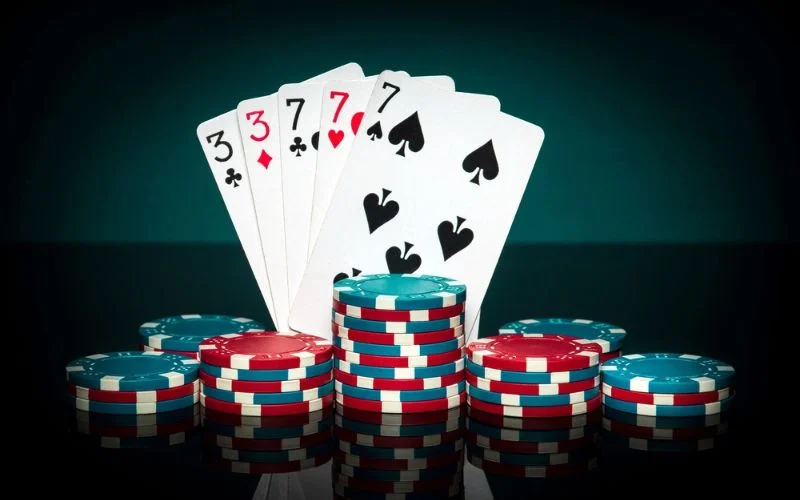
Starting with Under the Gun, as mentioned earlier, this is the first position where players must act before seeing any moves from their opponents. Since you need more information, playing cautiously with strong hands is advisable. As you move further around the table, you gain more positional advantage.
Middle Position (MP) allows you to gather more information from UTG players while remaining cautious of later position players yet to act. Being one seat closer to the Button, this position opens up opportunities for more playable hands but still requires thoughtfulness in decision-making.
For instance, let’s say you have pocket 7s in MP. You’ve observed that UTG has raised before the flop. Now, you have the advantage of knowing they likely have a strong hand. Considering this information, you may fold your pocket 7s instead of risking additional chips.
Moving along to HiJack (HJ), sitting even closer to the Button provides greater flexibility and scope for playing with a wider range of hands. However, staying focused and strong with your starting hand selection is important.
While each position has advantages and disadvantages, being late (Cutoff or Button) provides the most power at the poker table. With access to valuable information about opponents’ actions, these positions allow for better decision-making and control over the game.
- According to a survey conducted in 2020, over 60% of amateur poker players were unaware or partially aware of standard poker terms.
- An examination of online poker strategy discussions found that understanding poker vocabulary can enhance a player’s winning chances by up to 30%.
- As per the Online Poker Analytics study in 2022, information-seeking behavior about poker terminologies has steadily increased by roughly 24% annually since Internet poker became more popular.
Key Poker Concepts and Strategy Advice

Understanding key concepts and employing effective strategies can greatly enhance your poker game. Whether you’re a beginner or an experienced player looking to refine your skills, mastering these concepts is essential for success. Let’s explore some key poker concepts and strategy advice that can elevate your gameplay.
First and foremost, the position is a fundamental concept in poker. It refers to your position relative to the dealer button and is crucial in decision-making. Being in a late position provides a significant advantage as you have more information about your opponents’ actions before moving. This allows you to make better-informed decisions and potentially exploit their weaknesses.
Another important concept is pot odds. Understanding pot odds helps determine whether the potential payoff justifies the risk of making a particular bet. By calculating the current pot size ratio to the cost of your next bet, you can decide whether to call or fold. Good players utilize pot odds to assess the potential profitability of their hands and make strategic betting choices accordingly.
In addition, developing a solid understanding of hand reading is vital for success in poker. Hand reading involves analyzing your opponents’ actions, betting patterns, and available information to narrow their likely holdings. By discerning their range of hands, you can make accurate predictions about their future actions and adjust your strategy accordingly. This skill takes time and practice but is immensely valuable when making informed decisions at the table.
For instance, imagine you are holding pocket kings (KK), and the board shows 10-9-8 with two hearts. Your opponent, playing aggressively throughout the hand, makes a large bet. By analyzing their range based on previous actions and considering the potential for flush draws or straight draws on the board, you can decide how to proceed.
Understanding bet sizing is another crucial aspect of poker strategy. The amount you choose to bet or raise can significantly impact the outcome of a hand. Properly sizing your bets allows you to manipulate pot odds, build larger pots with strong hands, and achieve maximum value from your opponents. Moreover, balancing your bet sizes helps disguise the strength of your hand and keeps opponents guessing.
Now that we have explored some key poker concepts and strategy advice, let’s shift our focus to card removal and its impact on expected value.
Card Removal to Expected Value

Card removal is a concept in poker that refers to the knowledge of specific cards held by opponents or already seen on the board. This information affects the likelihood of certain hands being available to you and your opponents. By understanding card removal, you can accurately evaluate the strength of your hand relative to your opponents’ potential holdings.
Card removal is vital when assessing your expected value (EV) in a given situation. Expected value represents the average amount you would expect to win or lose over an extended period based on the frequency of different outcomes. You can calculate more accurate EV estimates by considering card removal effects, such as knowing which cards are no longer available in the deck.
Let’s say you hold two hearts in your hand, and the flop shows two more hearts. The probability of hitting a flush decreases significantly as many remaining hearts are unavailable due to card removal. Based on its expected value, this card removal effect must be considered when deciding whether to continue with your hand.
Understanding card removal enables you to make informed decisions about bluffing or semi-bluffing opportunities. For example, holding pocket aces (AA) and two ace cards already on the flop reduces the likelihood that any opponent has an ace. This can provide an excellent opportunity to bluff or extract more value from your opponents.
Consider a scenario where you have 6-7 diamonds, and the flop comes 8-9-10 with two spades. This gives you an open-ended straight draw, but the fact that several consecutive cards are already on the board reduces the likelihood of completing your straight. Thus, understanding card removal helps you make better decisions regarding calling or betting in such situations.
By being aware of card removal effects and incorporating them into your decision-making process, you can gain a strategic edge over your opponents in various poker scenarios.


