

Exploring Single-Player Card Games: A Solitaire Journey
In card games, the spotlight often shines on multiplayer games like poker, bridge, and blackjack. However, there exists a captivating and often overlooked category of card games that offer endless entertainment to those seeking solitude – single-player card games. These games, often called Solitaire, blend challenge and relaxation perfectly. This comprehensive guide will dive deep into single-player card games, exploring their history, rules, and how they can be enjoyed online. So, shuffle the deck and embark on this solitary card game adventure!
The Origins of Solitaire
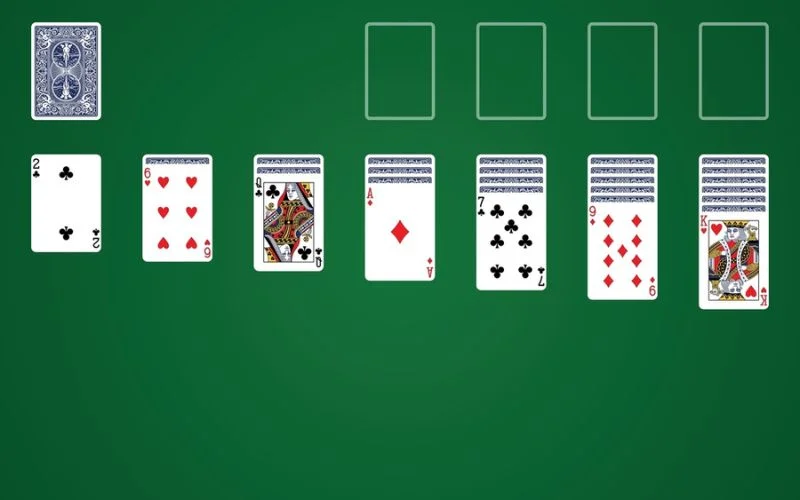
The fascinating history of solitaire, a beloved category of single-player card games, dates back several centuries and is steeped in European tradition. Let’s journey through time to explore the intriguing origins and evolution of this captivating pastime.
A Brief History
As we know it today, Solitaire has a rich and fascinating history that dates back several centuries. Its origins can be traced to Europe, with the first documented reference appearing in a German book published in the late 18th century. Initially known as “Patience,” the game gained popularity across the continent, and different variations emerged in various countries.
Solitaire in America
Solitaire crossed the Atlantic and found its way to North America, where it underwent further development. In the early 19th century, the first American card game book included the game. Over time, it became known as “Solitaire,” a name that still lingers.
Popular Single-Player Card Games

Within single-player card games, several iconic titles have captured players’ hearts for generations. From the classic Klondike to the challenging Spider Solitaire and lesser-known gems like Pyramid, these games offer diverse experiences. Join us as we delve deeper into the rules and strategies of these beloved solitary card games.
Klondike
Klondike, arguably the most iconic of all single-player card games, has been a staple on Windows computers for years. Its objective is to build four foundation piles in ascending order, starting with Ace and ending with King, while arranging tableau columns in alternating colors and descending rank. Klondike offers an engaging challenge that requires a mix of strategy and luck.
Spider Solitaire
Spider Solitaire is another well-loved single-player card game that gained immense popularity with the advent of personal computers. The goal is to arrange all cards in descending sequences from King to Ace, with the catch being that you must build lines of the same suit. The game’s name is derived from its eight foundation piles, resembling spider legs.
Freecell
Freecell is a solitaire variant known for its skill-based gameplay. All 52 cards are dealt face-up in this game, allowing players to see the entire layout from the start. The objective is to build four foundation piles in ascending order, similar to Klondike. However, Freecell’s unique feature is the ability to move any sequence of cards, making it a game of strategy and logic.
Pyramid
Pyramid is a lesser-known but equally engaging single-player card game. The goal is to remove pairs of cards that add up to 13, with Kings being the only card that can be removed individually. The challenge lies in the pyramid arrangement of cards, making it a game of skill and careful planning.
The Appeal of Single-Player Card Games

Single-player card games have endured the test of time for several compelling reasons:
Accessibility
One of the most significant advantages of single-player card games is their accessibility. You don’t need a group of friends or opponents; you only need a deck of cards or a digital device. This makes them perfect for solitary moments or seeking a quick mental break.
Mental Stimulation
While single-player card games can be relaxing, they also provide an excellent opportunity to exercise your mind. They require strategy, problem-solving skills, and careful planning. The challenge of each game keeps your brain engaged and sharp.
Stress Relief
Playing Solitaire can be a great way to unwind and relieve stress. The repetitive nature of shuffling and arranging cards can be meditative, offering a sense of calm and relaxation.
No Time Constraints
Unlike multiplayer card games that often require dedicated time and opponents, single-player card games can be enjoyed at your own pace. You can start a game, pause it, and resume whenever you like, making them perfect for a busy schedule.
Online Single-Player Card Games

In today’s digital age, you don’t need physical cards to enjoy single-player card games. Many websites and mobile apps offer various solitaire games, ensuring you can play your favorite games anytime. Here are some advantages of playing solitaire online:
Variety
Online platforms provide many single-player card games, including classic variations and modern twists. You can explore new games and find the ones that best suit your preferences.
Accessibility
With a smartphone or computer, you can access online solitaire games with just a few clicks or taps. There’s no need to carry a deck of cards; your favorite games are always at your fingertips.
Tutorials and Hints
Online solitaire platforms often offer tutorials and hints to help you learn new games or improve your skills. This is especially valuable for beginners looking to expand their repertoire.
Competition
Many online solitaire platforms allow you to compete with other players if you enjoy a competitive edge. You can participate in leaderboards and tournaments to test your skills against a global community.
Strategies for Success in Single-Player Card Games

Now that we’ve explored the fascinating world of single-player card games and their many benefits let’s delve into some essential strategies to help you master these games and enhance your enjoyment.
Patience and Persistence
Patience is not just the game’s name; it’s a crucial mindset when playing Solitaire. Some games may seem challenging or even impossible at first glance. However, you’ll often find a way to win with patience and persistence. Don’t be discouraged by initial setbacks; keep trying, and you’ll improve your skills.
Plan Your Moves
Before making any moves, take a moment to assess the game layout. Look for potential sequences and combinations. In games like Klondike and Spider Solitaire, planning is vital. Avoid making impulsive moves that might limit your options later on.
Uncover Hidden Cards
In many solitaire games, you’ll need to uncover hidden cards strategically. Focus on opening up tableau columns and exposing face-down cards whenever possible. This gives you more information and increases your chances of finding valuable moves.
Build Foundations Early
Try to build foundations as early as possible in games with foundation piles like Klondike and Freecell. A strong foundation base can make the game significantly easier as you progress. Prioritize moving Aces and other low-value cards to the foundation piles when appropriate.
Use Undos Sparingly
While many digital solitaire platforms offer undo and redo options, try to use them sparingly. Relying on updos too much can detract from the challenge and satisfaction of the game. Instead, use updos as a learning tool to understand where you went wrong and improve your strategy.
Learn the Rules
Each single-player card game has its own unique rules and objectives. Take the time to learn these rules thoroughly. Understanding the game mechanics and goals is essential for success. Fortunately, most online platforms provide tutorials and guides to help you get started.
Stay Relaxed
Single-player card games are meant to be enjoyable and relaxing. Take a break if you are frustrated or stuck on a particular game. Stepping away and returning with a clear mind can often lead to better decision-making.
Explore New Variations
Don’t limit yourself to just one or two solitaire games. Explore different variations to keep things fresh and exciting. Each game offers a unique challenge, and you might discover new favorites.
Challenge Yourself
If you’re a seasoned solitaire player, consider increasing the difficulty level. Try to win games with fewer moves or in less time. Setting personal challenges can add a competitive edge and keep the games interesting.
Share the Joy
While single-player card games are typically enjoyed in solitude, consider sharing your love for Solitaire with friends and family. Teach them your favorite games or even challenge each other to beat high scores in online competitions.
Final Thoughts
Single-player card games, or Solitaire, offer entertainment and mental stimulation. Whether you prefer the classic Klondike, the strategic Freecell, or the intriguing Pyramid, there’s a game to suit your taste. With patience, strategy, and practice, you can become a solitaire master and find endless enjoyment in these timeless card games. So, shuffle those cards or launch your favorite solitaire app and embark on your solitary card game adventure today!


