
Dead Man’s Hand Poker: A Traditional Tattoo Technique Explained
The Dead Man’s Hand, made up of black aces and eights, holds a dark chapter in poker history. Gunslinger Wild Bill Hickok supposedly clutched this hand as he met his doom mid-poker game in 1876. But here’s the twist: while this hand is notorious for bad luck within poker, it embodies something entirely different in traditional tattoo culture. Imagine wearing a piece of profound poker history on your skin – a symbol of fate or even protection from misfortune, etched in permanent ink. Now comes our deep dive into this fascinating tale.
The Dead Man’s Hand is a legendary poker hand consisting of two pairs: black aces and black eights. According to folklore, Wild Bill Hickok was holding this hand when he was shot during a poker game in 1876. The notoriety of this hand has made it a symbol in poker lore.
The Historic Tale of Dead Man’s Hand in Poker
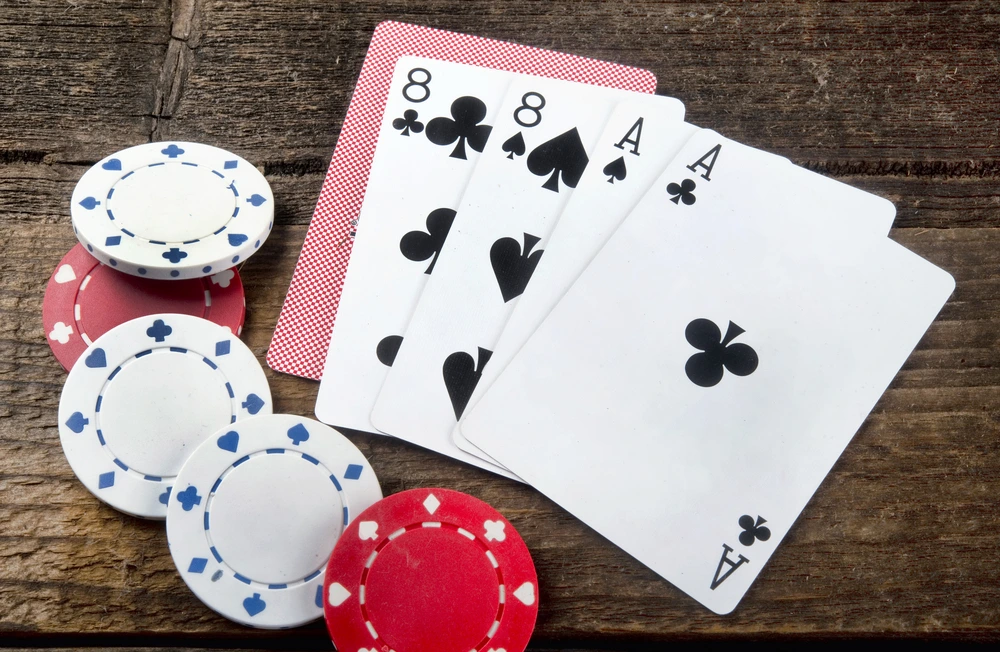
- Origin in the Old West: Wild Bill Hickok’s poker game in Deadwood, marked by his tragic end, is the historical origin of the Dead Man’s Hand.
- Debates and Speculations: The exact composition of the cards, including speculations about the addition of the queen of clubs as a ‘kicker,’ has fueled debates among historians and enthusiasts.
Mystique and Cultural Symbolism
The Dead Man’s Hand, veiled in ambiguity, has transcended its origins to become a symbol embedded in popular culture, signifying bad luck and foreboding.
- Ambiguity and Imagination: Historical uncertainties surrounding the hand’s composition contribute to its mystique, sparking imaginations and discussions among poker enthusiasts.
- Symbolic Cultural Impact: Beyond a mere poker hand, it has permeated modern society, been adopted by law enforcement agencies, and been integrated into insignias and patches as an emblem of foreboding.
Immortalization in Folklore and Popular Culture
The tale of Wild Bill Hickok’s ill-fated poker game has been immortalized in various mediums, solidifying its status as a legendary narrative within the poker world.
- Literary and Cinematic Legacy: Countless books, films, and folkloric retellings have perpetuated the story, ensuring its enduring presence in popular culture.
- Cultural Resonance: The Dead Man’s Hand has become more than a poker anecdote; it resonates as a symbol capturing the intertwining threads of fate, chance, and fortune.
Modern Adoption and Cultural Echoes
Law enforcement agencies have embraced the macabre symbol, incorporating the Dead Man’s Hand into their logos, weaving it into the complex tapestry of modern society.
- Law Enforcement Embrace: The symbolic association with ill fate has led to its adoption in law enforcement symbols, adding a sense of foreboding to their representations.
- Cultural Impact and Resonance: The enduring impact of this tragic tale from poker history echoes through various facets of modern life, leaving an indelible mark on cultural symbolism.
Legacy in Tattoo Culture
The captivating saga of the Dead Man’s Hand intertwines with traditional tattoo culture, where symbols and narratives tell compelling stories etched onto patrons’ skin.
- Symbolic Tattoos: The Dead Man’s Hand is a potent symbol in tattoos, embodying the intertwining themes of fate, chance, and the allure of the poker narrative.
- Storytelling through Skin: Traditional tattoo culture finds resonance in storytelling, and the Dead Man’s Hand, with its rich history, becomes a narrative permanently etched beneath the skin.
Link between Dead Man’s Hand and Traditional Tattoo Culture
While some may argue that such morbid imagery is too ominous for everyday life, those who bear this design view it as a means to confront fears rather than succumb to them.
By linking this symbol to enduring themes like fate and the inevitability of death and as a defense against ill fortune, traditional tattoo artists have given new depth and meaning to this already potent emblem.
The fusion of symbolism in traditional tattoo art breathes fresh life into historical references, infusing timeless concepts with modern relevance while capturing the essence of personal narratives. Now, let’s venture into further understanding the essence of the Dead Man’s Hand in another dimension—its deep-rooted significance as a tattoo design and symbol.
Dead Man’s Hand: Tattoo Design and Symbolism
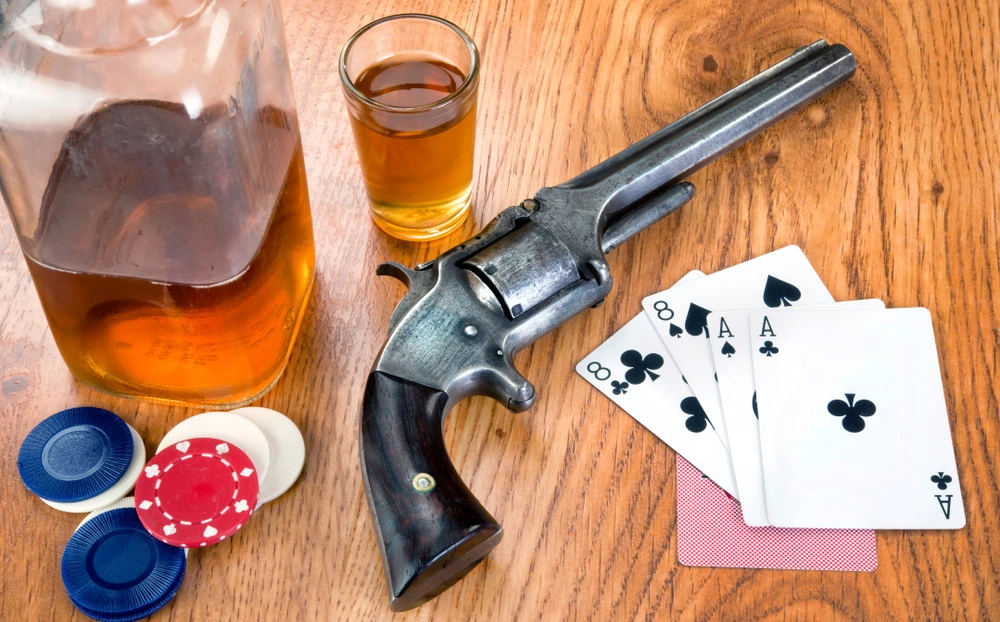
The Dead Man’s Hand tattoo is rooted in the historical account of Wild Bill Hickok’s death during a poker game in 1876. Typically featuring two black aces and eights, this tattoo pays homage to this iconic moment, infusing the design with a sense of history and storytelling.
- Homage to Wild Bill Hickok: Including the specific cards reportedly held by Wild Bill Hickok at his death becomes a homage to the legendary figure, adding depth and significance to the tattoo.
- Narrative of Life’s Fragility: The two black aces and eights serve as a symbolic reminder of life’s fragility, emphasizing the unforeseen twists of fate and the inherent unpredictability of our journeys.
Enriching Symbolism through Additional Elements
The Dead Man’s Hand tattoo often incorporates additional elements like playing cards, dice, or revolvers, each contributing to the rich symbolism embedded in the design.
- Playing Cards and Luck: Incorporating playing cards enhances the theme of luck and risk-taking, symbolizing the unpredictable nature of life’s challenges.
- Dice and Uncertainty: Including dice is a potent symbol of uncertainty, underscoring the unpredictable twists and turns that life may present.
- Revolvers and Confrontation: Revolvers add a layer of symbolism related to confrontation and danger, contributing depth to the narrative portrayed by the tattoo.
Personal Narratives and Symbolic Resonance
Individuals contemplating a Dead Man’s Hand tattoo often find themselves drawn to its historical roots and timeless relevance, infusing their narratives with its potent symbolism.
- Acknowledging Life’s Challenges: For those who have faced significant challenges, the tattoo becomes a testament to past struggles, acknowledging adversity and celebrating resilience.
- Symbolism of Luck and Chance: In other cases, individuals may be drawn to the tattoo’s symbolism of luck and chance, representing an embrace of life’s uncertainties and the willingness to take risks.
Complexities of the Human Experience
The Dead Man’s Hand tattoo, intertwining history, symbolism, and personal narratives, becomes a visually stunning testament to the complexities of the shared human experience.
- Life’s Intertwined Elements: The design seamlessly weaves together historical roots, symbolic elements, and individual stories, capturing the intricacies that define our collective journey.
- Powerful Statement through Artistry: More than just a tattoo, the Dead Man’s Hand becomes a powerful statement conveyed through artistry, encapsulating the essence of our shared human experience in a visually striking manner.
Execution of Dead Man’s Hand Tattoo Technique
The Dead Man’s Hand is a striking and meaningful image, and achieving its iconic look requires careful attention to detail and skillful execution. Here’s a step-by-step process of how this traditional tattoo method is performed.
- Preparation: Before beginning the tattoo, the artist ensures that the client’s skin is clean and properly prepped. They meticulously sanitize the area where the tattoo will be placed using antiseptic solutions to minimize the risk of infection.
- Tools and Materials: Unlike modern electric tattoo machines, hand poker relies on basic tools such as a needle attached to a wooden or metal stick. High-quality ink, usually black to maintain the traditional aesthetic, creates bold and defined lines. The simplicity of these tools adds a rawness and authenticity to the artistic process.
- Execution: The artist executes the tattoo meticulously, manually dipping the needle into ink and puncturing the skin with each stroke. This hand-poking technique requires patience and a steady hand to ensure deliberate and consistent placement of dots, lines, or shades, eschewing reliance on a machine for a carefully crafted result.
- Safety Precautions and Hygiene Practices: Strict adherence to safety precautions and hygiene standards is vital. The artist consistently sterilizes their equipment and maintains a clean work environment to prevent any risk of infection.
- Historical Context: Acknowledging and honoring the historical significance of traditional tattoo methodologies adds depth to the experience. Incorporating cultural narratives into the artistry captures the essence of tradition while fostering a connection between past and present.
Preservation and Aftercare for Traditional Tattoos
Congratulations on adorning your skin with an extraordinary piece of artwork! However, the journey doesn’t end there. Proper aftercare and preservation are vital to keep your Dead Man’s Hand tattoo looking as striking as the day it was inked. Here’s what you need to know.
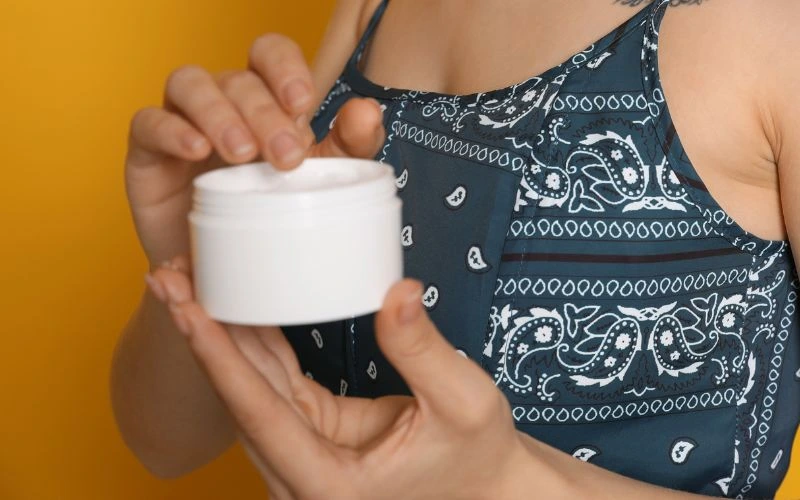
The first few days after getting your traditional tattoo are crucial. It’s like caring for a tiny plant; if you look after it initially, it will grow strong and healthy. Beyond gently washing the tattooed area with fragrance-free soap and warm water, another essential factor is applying aftercare ointment. This nourishes and supports healing by keeping the skin moisturized and preventing scabbing, which could lead to ink loss.
Aftercare Ointment Application
Imagine this ointment as your tattoo’s superhero—it shields it from environmental toxins and bacterial infections! The frequency of application is key; aim for twice a day, especially after cleansing the area. Look for ointments with natural ingredients like beeswax, olive oil, and lavender essential oil, as these are ideal for soothing and promoting healing without causing irritation or allergic reactions.
Ensuring your tattoo stays vibrant and clear also involves steering clear of certain activities, notably those that involve prolonged sun exposure. Just as you’d protect your skin with sunscreen, you need to be extra cautious with fresh ink. UV rays can dull the colors and cause premature fading, compromising the overall look of the tattoo.
Similarly, remember to skip swimming or soaking your new tattoo for at least two weeks post-tattooing. Water might seem harmless, but not when it comes to healing tattoos; excessive exposure can lead to unwanted complications such as infection or unnecessary irritation. Additionally, avoiding tight clothing and accessories that constantly rub against the tattoo will help prevent damage.
Ideal Healing Time
Tattoos heal differently based on individual factors like skin type, location of the tattoo, and overall health. Traditional tattoos typically take four to six weeks to heal fully—this varies from person to person but is an important timeframe to remember as you care for your Dead Man’s Hand artwork.
Treating your Dead Man’s Hand tattoo with care immediately following its execution is crucial for longevity. Using gentle soaps, applying appropriate aftercare ointments, avoiding direct sunlight, and steering clear of water ensures your traditional tattoo remains vibrant and pristine for years.
Variations of Dead Man’s Hand in Modern Tattoo Designs
The classic Dead Man’s Hand tattoo, featuring a pair of black aces and eights, carries a deep historical significance, embodying the unfortunate fate of Wild Bill Hickok. However, in the hands of modern tattoo artists, this traditional motif has transformed into stunning interpretations that push artistic boundaries.
Tattoo artists often integrate personalized elements into the iconic design, tailoring it to the individual’s preferences and storytelling. For example, vibrant floral patterns intertwined with the cards can inject a touch of delicacy and femininity into the otherwise somber visual narrative. Incorporating symbols, such as daggers or skulls, can add depth and complexity, infusing deeper meanings into the tattoo. This personalized approach creates unique variations that resonate profoundly with the wearer.
Innovative compositions reimagine the Dead Man’s Hand motif, breaking free from conventional forms to create captivating and visually striking tattoos. Elaborate sleeve designs and intricate full-back pieces showcase the versatility of this symbolic image, capturing attention with their elaborate detailing and seamless integration with existing body art.
Exploring these creative variations enriches one’s understanding of the Dead Man’s Hand tattoo. It presents various options for enthusiasts seeking truly unique and captivating body art.


