Poker Hands

Unraveling the Mystery of Bad Beat in Poker

Poker, a game of skill, strategy, and nerve, is a battleground where fortunes can swiftly change with the turn of a card. Amidst the exhilarating highs and strategic triumphs, every poker player faces the formidable adversary known as a “bad beat.” In this comprehensive guide, we embark on a journey through the intricacies of bad beats – those heart-wrenching moments when a superior hand falls prey to an improbable stroke of luck. Beyond the frustration lies an opportunity for growth, resilience, and mastery of the psychological and technical facets of the game.

In the dynamic landscape of poker, understanding the essence of bad beats is not just a matter of statistical analysis but a profound exploration of the human psyche at play. As we delve into the intricacies of bad beats, we unravel the emotional rollercoaster experienced by players, the psychological impact that tests their mettle, and the strategies they can employ to emerge unscathed. From maintaining emotional control at the table to adapting gameplay strategies in the face of adversity, this guide aims to equip poker enthusiasts with a holistic toolkit for navigating the turbulent waters of bad beats and emerging as more formidable players.

What is a Bad Beat in Poker?

photoviewer-4-7

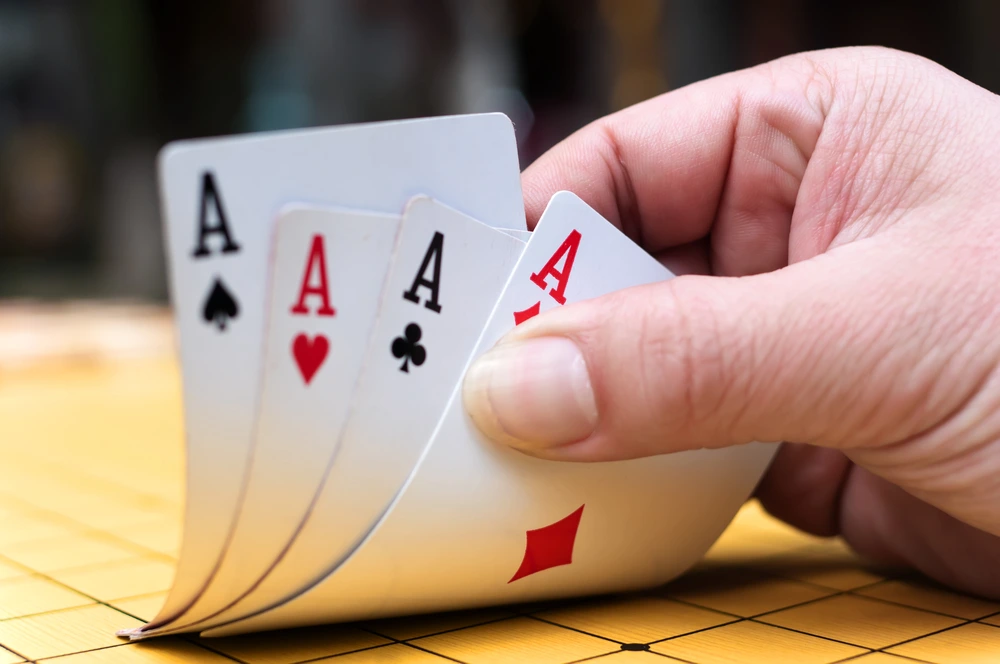
A bad beat unfolds when a poker player, holding a statistically superior hand, succumbs to an opponent who can catch a fortunate card or combination against the odds. It’s a frustrating and, at times, inexplicable aspect of the game, testing a player’s emotional control and strategic adaptability.

The Psychology Behind Bad Beats

  • Emotional Rollercoaster: Experiencing a bad beat can trigger intense emotions like frustration, anger, or disappointment. Recognizing the psychological impact is crucial for maintaining composure at the poker table.
  • Probability vs. Reality: While poker is inherently a game of probabilities, bad beats often defy statistical expectations. Accepting that variance is a natural part of the game is essential for coping with its emotional challenges.

Strategies for Handling Bad Beats
Anticipating Opponent's Moves

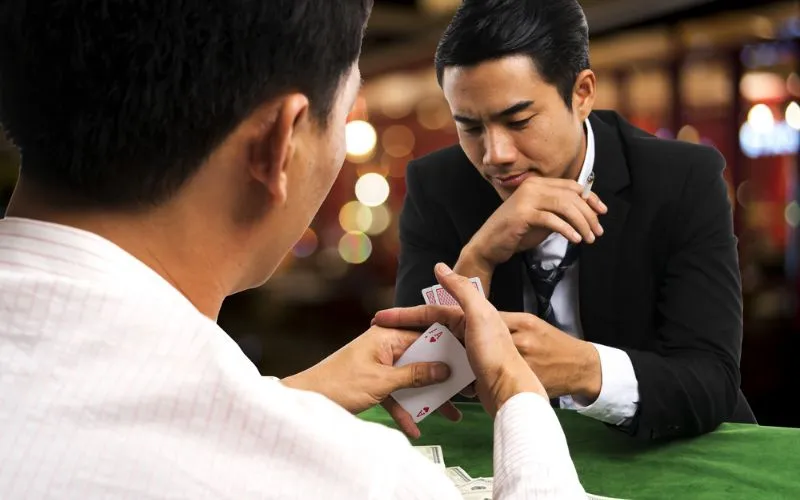
In the face of bad beats, maintaining emotional composure is essential. Deep breaths, a calm demeanor, and avoiding outward displays of frustration are crucial to prevent opponents from exploiting emotional vulnerability. Adopting a long-term perspective also helps players endure short-term setbacks without compromising their overall strategy. Flexibility in gameplay is key; adjusting tactics based on evolving dynamics and opponent styles allows players to navigate the challenges of bad beats effectively. These strategies collectively empower players to transform adversity into opportunities for strategic growth and eventual success.

Maintaining Emotional Control

  • Stay Calm Under Pressure: Cultivating emotional resilience is paramount. Take deep breaths, maintain a poker face, and avoid displaying frustration to prevent opponents from gaining a psychological edge.
  • Focus on Long-Term Results: Poker success is measured over the long run. Avoid letting short-term setbacks influence your overall strategy and decision-making.

Adjusting Your Gameplay

  • Adaptability is Key: Bad beats often signal a shift in the game’s dynamics. Be prepared to adjust your strategy based on the current flow and opponents’ playing style.
  • Reassess Your Reads: Reassess your reads on opponents after a bad beat. Are they playing more aggressively? Have their patterns changed? Use this information to your advantage.

Technical Aspects of Bad Beats

  • Understanding Odds: Sharpen your understanding of poker odds to appreciate that bad beats are an inevitable part of the game. This knowledge helps you make more informed decisions.
  • Bankroll Management: Protect your bankroll by implementing effective bankroll management strategies. This ensures you can weather the bad beats without risking your entire poker fund.

Sample Bankroll Management Strategy

Bankroll Level Recommended Stake Range
Beginner 1-2% of total bankroll per game
Intermediate 2-5% of total bankroll per game
Advanced 5-10% of total bankroll per game

Recognizing Online Variance

Strip Poker Variations Online

  • Leveraging HUD Data: Utilize Heads-Up Display (HUD) data to analyze playing styles and tendencies of online opponents. This information can help you adapt more quickly to changes in the virtual poker landscape.
  • Utilizing Timing Tells: Online players often provide timing tells through their actions. Pay attention to the speed of bets and raises to gather valuable insights into the strength of their hands.

The Role of Mindset in Overcoming Bad Beats

  • Cultivating a Growth Mindset: Embrace challenges and view bad beats as opportunities for growth. A growth mindset fosters a positive outlook, allowing players to learn from setbacks and continuously improve their skills.
  • Learn from Mistakes: Rather than dwelling on the frustration of a bad beat, use it as a learning experience. Analyze the hand objectively, identify any potential mistakes, and integrate these lessons into your future gameplay.

Turning Bad Beats into Opportunities

  • Exploiting Opponent Tilt: Recognize when opponents are emotionally affected by bad beats and use this to your advantage. Exploit their tilt by making strategic adjustments that capitalize on their suboptimal decision-making.
  • Building a Table Image: Crafting a strong image can pay dividends after a bad beat. Present yourself as a composed and strategic player, discouraging opponents from targeting you when you’re vulnerable.

Famous Bad Beats in Poker History

  • Scotty Nguyen vs. Kevin McBride (2008): Analyze famous bad beats from the past, such as Scotty Nguyen’s heartbreaking loss to Kevin McBride in the 2008 WSOP. Understanding how even the best players can experience bad beats reinforces the idea that it’s an inherent part of the game.
  • Stu Ungar vs. Doyle Brunson (1980): Explore the dynamics of legendary bad beats, like Stu Ungar’s loss to Doyle Brunson in the 1980 WSOP Main Event. These stories remind us that bad beats can happen to anyone and do not indicate a player’s skill.

Conclusion

Mastering the art of handling bad beats in poker transcends statistical probabilities and card combinations; it is a testament to a player’s resilience, adaptability, and psychological fortitude. As we journeyed through the intricacies of emotional control, strategic adaptability, and a deep understanding of the game’s technical aspects, it becomes evident that success in poker is not solely measured in wins but in how one navigates the inevitable losses. By approaching bad beats as opportunities for growth, learning, and maintaining a positive mindset, players can emerge from the shadows of frustration as more formidable contenders at the poker table. The amalgamation of emotional intelligence, strategic understanding, and a continuous quest for improvement defines the true mastery of handling bad beats, ensuring that every setback becomes a stepping stone toward enduring success in the thrilling poker world.

FAQs

How can players prevent tilt after experiencing a bad beat?

To prevent tilt, players should prioritize mindfulness techniques, take short breaks between hands, and refocus on the long-term aspects of the game. By maintaining emotional composure and understanding that variance is inherent, players can mitigate the impact of a bad beat on their overall performance.

Is it advisable to change one’s playing style after encountering a series of bad beats?

While adaptability is crucial, drastic changes in playing style should be avoided. Instead, make subtle adjustments based on opponent reads and the evolving game conditions. Consistency in overall strategy and nuanced adaptations ensure a more balanced and effective approach in the face of adversity.

How does understanding the psychology of bad beats give players an edge?

Understanding the psychological impact allows players to maintain composure, exploit opponents who may be emotionally affected, and make rational decisions in challenging situations. By leveraging this insight, players can turn the tables on the emotional dynamics of the game, gaining a strategic advantage over opponents who struggle to navigate the aftermath of bad beats.

Silas Everhart

Silas Everhart, the driving force behind our poker universe, is not your average 27-year-old. With an insatiable passion for the game, he's turned his love for poker into an art form, mastering the intricacies of this timeless card game. Through his extensive knowledge, captivating writing style, and commitment to helping you up your poker game, Silas Everhart is your go-to source for all things poker-related. Join him on this thrilling journey through the world of chips, bluffs, and high-stakes showdowns!

Leave a Reply

Your email address will not be published. Required fields are marked *

Don’t Miss Out: FREE Poker Mastery Course Awaits You!

Enroll in our FREE poker course today and start winning big at the poker table.

Enter your email and password to get an account and access to course.

[user_registration_form id=”3754″]
Powered by