

Mastering the Game: Unveiling the Power of Pairs in Poker
In the captivating world of poker, where strategy and skill collide, understanding the importance of pairs is paramount. Whether you’re a novice aiming to grasp the basics or an experienced player looking to refine your tactics, delving into the nuances of pairs can significantly elevate your poker prowess. In this in-depth guide, we will dissect the intricacies of pairs in poker, shedding light on their profound impact on decision-making, betting strategies, and overall gameplay.
What Are Pairs in Poker?
Pairs, a fundamental concept in poker, manifest when a player holds two cards of the same rank. These can range from a modest pair of twos to a commanding pair of kings. Recognizing the potential of pairs is essential, as it directly influences your betting strategies, reads on opponents, and overall approach to the game.
Types of Pairs
- Pocket Pairs: Concealed within your initial hand, these pairs are known as hole cards. Examples include a pair of aces or two sixes.
- Community Card Pairs: Formed by combining your hole cards with the community cards on the table.
Strategic Considerations
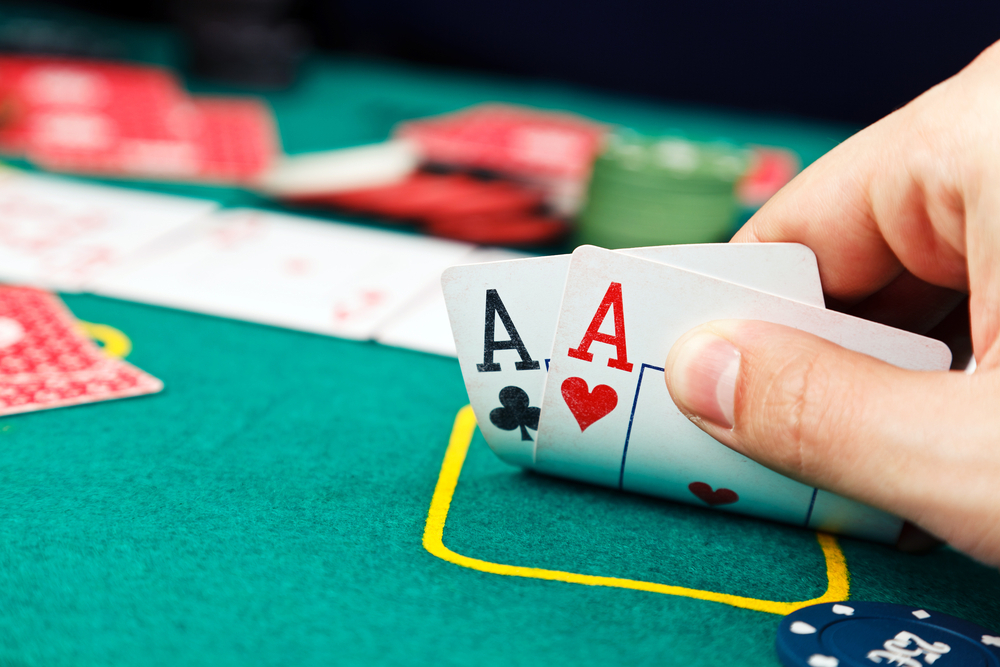
Playing Pocket Pairs
Playing pocket pairs demands a nuanced approach that evolves based on your position at the table.
Early Position
In early positions, where you act first, consider raising to build the pot and narrow down the competition. This proactive approach can also provide insights into the strength of your opponent’s hands.
Middle Position
When situated in middle positions, maintain aggression with pocket pairs but remain attentive to opponents’ reactions. Their responses can offer valuable information about the potential strength of their hands.
Late Position
Leverage your position to observe opponents’ actions and make more informed decisions. Controlled aggression in late positions can be powerful, especially when armed with pocket pairs.
Community Card Pairs
Understanding the implications of community card pairs is crucial, as it can significantly impact the strength of your hand and alter the game’s dynamics.
Connected Pairs
When community cards form pairs, be cautious of potential straights and full houses in poker. Analyze the board to assess the possibilities of opponents having completed strong hands.
High-Rank Pairs
Community card pairs with high-ranking cards favor stronger hands. Adjust your strategy accordingly, considering the increased likelihood of opponents holding premium pairs or forming potent combinations.
Pair-Related Betting Strategies
- Value Betting: Capitalize on your pairs by extracting value from opponents with weaker hands. A well-timed value bet can maximize your winnings.
- Bluffing: Skillful bluffing with pairs can deceive opponents and lead to strategic gains. However, bluff cautiously, considering the potential strength of your opponents’ hands.
- Pot Control: Exercise caution when facing aggressive opponents. Controlling the pot size is vital to managing risks associated with pairs. Avoid overcommitting if the community cards suggest formidable hands for your opponents.
The Mind Games: Psychological Aspects of Pairs
Poker is a game that transcends mere card values; it involves deciphering opponents’ intentions and navigating the psychological aspects of gameplay. Pairs, a visible component of your hand, play a crucial role in the psychological warfare at the poker table.
Misdirection
Displaying confidence or uncertainty with pairs can be a strategic tool. Skilled players often use misdirection to manipulate opponents into making suboptimal decisions based on false reads.
Observation
Pay attention to opponents’ reactions when community card pairs are revealed. Their facial expressions, betting patterns, and body language can provide valuable insights into the strength of their holdings. Effective observation enhances your ability to make well-informed decisions.
Statistical Insights: Odds and Probabilities

Understanding the statistical aspect of pairs in poker is a game-changer. Let’s delve into the probabilities associated with pairs.
Odds of Being Dealt a Pair
Approximately 5.9% of hands dealt will contain a pair. This highlights the relative rarity of starting with a pair.
Improving to Three of a Kind
After the flop, the chance of improving a pair to three of a kind is around 11.8%. This statistic underscores the potential for enhancing the strength of your hand as the community cards are revealed.
Making a Full House
The probability of making a full house by the river, starting with a pair, is a mere 2.6%. This emphasizes the rarity of achieving a full house and the strategic significance when it occurs.
Conclusion
FAQs
How do I effectively play low-ranking pocket pairs?
Low-ranking pocket pairs, such as twos through fives, can be tricky to play. Consider limping in early positions to see the flop at a lower cost. If you miss the set on the flop, be prepared to fold unless the board is favorable for a bluff.
When should I be cautious about community card pairs?
Exercise caution when community cards form pairs, especially if they are high-ranking. This scenario increases the likelihood of opponents having strong hands, potentially full houses, or even four of a kind. Adjust your strategy accordingly and avoid overcommitting with weaker pairs.
What role do pairs play in a tournament setting?
Pairs in tournaments can be pivotal at various stages. In the early phases, accumulating chips with well-played pairs sets a strong foundation. As blinds increase, pairs become valuable for survival and strategic maneuvers. Understanding when to accumulate and preserve chips is crucial for success in poker tournaments.


