

How Many Face Cards Are in a Deck & Why They Matter
When you pick up a standard deck of cards, you might not immediately consider the significance of the face cards, yet they play a crucial role in every game. There are 12 face cards, each with its own unique symbolism and strategic importance. You’re likely familiar with the kings, queens, and jacks, but have you ever wondered why there are exactly 12 and how they influence your next move? Understanding the cultural and historical layers behind these cards might change your approach to the next game you play. So, what stories do these royal figures hold?
Understanding Face Cards
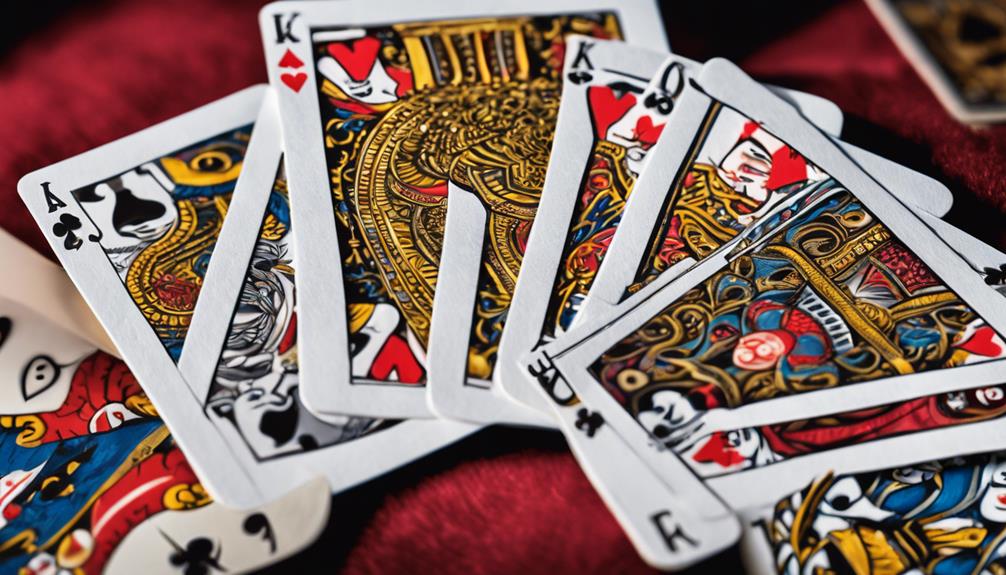
When it comes to playing cards, understanding face cards can make all the difference in your game strategy. In a standard deck, you’ll find 12 face cards, consisting of 4 kings, 4 queens, and 4 jacks. Each suit contains one of these court cards, which are known for their unique face card design and symbols that set them apart from the numerical cards.
The hierarchy of face cards places them below aces but above other numbered cards, making them crucial for determining hand strength in various card games.
As you familiarize yourself with the deck, recognize that face cards aren’t just visually distinct; they also hold strategic value in any game you play. Their role in the card games hierarchy means they often serve as key components in crafting winning hands.
Whether you’re playing poker, bridge, or another favorite card game, these court cards add a layer of fun and depth to your experience. By appreciating the importance of face cards, you can enhance your strategy and increase your chances of success. So, embrace the power of these 12 face cards, and watch how they transform your gameplay.
Number of Face Cards
In a standard 52-card deck, you’ll find precisely 12 face cards. These cards are the kings, queens, and jacks, each playing a vital role in various card games. Each of the four suits—hearts, diamonds, clubs, and spades—contains three face cards: one king, one queen, and one jack. This consistent structure ensures that in any deck, you have an equal distribution of these court cards across all suits.
Face cards, often referred to as court cards, aren’t just visually distinct due to their intricate designs and symbols; they also add a strategic layer to gameplay. In many card games, these cards hold a higher rank than number cards, increasing their value and importance when you’re playing.
Their unique designs help players easily differentiate between the different ranks and suits, essential for making quick decisions during a game.
Understanding the number of face cards in a deck can enhance your gameplay strategy. Knowing that these 12 cards can significantly influence the outcome of a game, you’ll appreciate their role and design even more.
Types of Face Cards

Although face cards share some common features, each type brings its own unique characteristics to a deck. In a standard deck, you’ll find 12 face cards, also known as court cards. These consist of four kings, four queens, and four jacks. Each of these plays a pivotal role in the hierarchy of playing cards.
The kings are often seen as the highest-ranking face cards, representing power and authority within the deck’s structure. Their values are crucial in many card games, often determining the outcome of a hand.
Queens, on the other hand, bring elegance and strategy. They sit just below kings in the hierarchy but can turn the tide of a game with their particular values. Their presence in each suit adds a layer of complexity to the gameplay, making them indispensable.
Jacks, while often ranked below queens, hold their own importance in the world of playing cards. Known for their cunning and versatility, jacks can be game-changers, depending on the rules in play. Each suit in a standard deck gets one jack, one queen, and one king, ensuring a balanced distribution of power and strategy across the deck.
Face Cards in Each Suit
Dive into the fascinating world of face cards by exploring each suit’s unique trio: the King, Queen, and Jack. In a standard 52-card deck, each suit—hearts, diamonds, clubs, and spades—boasts these three prominent face cards. They’re not just visually striking; they play pivotal roles in adding hierarchy and strategy to any card game. These cards often carry higher values or possess special abilities, making them essential components in gameplay.
The King stands tall at the top, symbolizing leadership and authority. He sets the stage for the hierarchy within the suits.
The Queen, with her grace and power, follows, adding a strategic layer to your gameplay decisions.
The Jack, often underestimated, has its own unique value, capable of changing the course of a game with its distinct symbols and abilities.
When you hold a set of face cards, you’re not just playing with beautifully designed pieces. You’re wielding tools that can shift the game’s dynamics, demanding strategic thinking and careful consideration of their values. Recognizing the importance of the King, Queen, and Jack in each suit can elevate your understanding and enjoyment of any card game.
Historical Significance

As you appreciate the strategic power of face cards in gameplay, it’s fascinating to consider their historical significance. Face cards, or court cards, have been a staple in traditional decks for centuries, rooted deeply in cultural history. These 12 cards—comprising four kings, four queens, and four jacks—are not just pivotal for their high rank in games but also for their evolution over the years.
In the past, these face cards symbolized societal structures, with kings, queens, and jacks representing different classes within a royal court. This historical context adds depth to the playing cards, making them more than just tools for entertainment.
The distinct designs of each suit’s court cards have been influenced by various cultures, showcasing unique visual elements that enhance their aesthetic appeal.
The historical significance of face cards extends beyond their gameplay value. Traditional decks have been shaped by centuries of artistic and cultural influences, each era leaving its mark on the kings, queens, and jacks. This rich history not only contributes to the aesthetic allure of the cards but also to their continued relevance and significance in modern card games. Understanding this history transforms the experience of playing with these iconic cards.
Design and Symbols
In exploring the design and symbols of face cards, you’ll find that each one is a masterpiece of artistry and symbolism. A standard deck contains 12 face cards, including 4 kings, 4 queens, and 4 jacks. These cards stand apart from number cards thanks to their unique designs and symbols, each representing a specific rank in the hierarchy of card games. The intricate designs on face cards aren’t just for show; they play a crucial role in determining the strength of a hand. This makes them essential in various card games, where their presence adds layers of complexity and strategy.
The visual appeal of face cards is undeniable. Each card is carefully crafted to convey its rank and importance, often using symbols that hint at historical or royal themes. Kings, queens, and jacks are more than just figures; they represent power and authority, influencing how you strategize your gameplay. Their design elements often reflect the culture and era from which they originated, enhancing their allure.
As you engage with these cards, you’ll appreciate how their design and symbols contribute to the richness and depth of the game, making each hand a visual and strategic delight.
Face Cards in Gameplay

The allure of face cards in gameplay extends beyond their artistic design to their strategic significance. In a standard deck, you’ll find 12 face cards—four kings, four queens, and four jacks—each playing a pivotal role in how card games unfold. Known as court cards, these regal figures are essential in establishing the hierarchy and values within a game. Each suit boasts three face cards, and their presence often means the difference between victory and defeat.
Understanding the functions and values of face cards is crucial for mastering card game strategies. Unlike number cards, face cards typically hold higher ranks, influencing decisions and tactics you must employ.
For instance, in many games, kings and queens are powerful assets, often outranking number cards and shaping the flow of the game. The hierarchy established by these court cards dictates not just the ranking but also the dynamics of gameplay.
Whether you’re playing poker, bridge, or rummy, recognizing the power dynamics of face cards in your deck can enhance your gameplay. Mastering how to leverage the strengths of kings, queens, and jacks will give you an edge, making every hand a strategic opportunity to outmaneuver opponents.
Cultural Variations
Beyond the familiar face cards in standard decks, cultural variations bring a fascinating diversity to card games worldwide. Traditional decks typically contain 12 face cards—three per suit, comprising the King, Queen, and Jack.
However, in certain regions, the structure and design of these cards can vary significantly, reflecting the cultural nuances of the area.
Spanish and Italian patterns, for example, feature three face cards per suit, similar to the traditional decks you might be used to. Yet, their designs and characters often have unique regional flair.
German decks take a different approach, employing three male face cards per suit, while Swiss decks also have their distinct variations, showcasing the diversity of playing cards in Europe.
In Japan, playing cards like Kabufuda and Uta-garuta have their unique face card designs, each carrying cultural significance and historical context. These cultural variations not only highlight the rich history of playing cards but also offer a glimpse into the artistic interpretations that have evolved over time. By exploring these diverse decks, you’ll appreciate the intricate blend of tradition and creativity in the world of card games.
Fun Facts About Face Cards

Delving into the world of face cards, you’ll find that these captivating pieces of art are more than just part of a standard deck. With 12 face cards in total—comprising 4 kings, 4 queens, and 4 jacks—each suit hosts its court cards, adding layers of intrigue to any card game. These face cards play a crucial role in a deck’s hierarchy, often ranking below aces but holding more value than number cards. This ensures they maintain a significant presence in gameplay.
The unique designs and symbols on face cards not only enhance their visual appeal but also contribute to the deck’s character. Their intricate artwork has evolved over centuries, showcasing influences from various cultures. As you explore different decks, you’ll notice how regional characteristics have shaped face cards.
For instance, the French deck is renowned for its elaborate and recognizable designs, while other cultures have imparted distinct elements.
Beyond their aesthetic allure, face cards possess a rich history of evolution. As you shuffle through a deck, remember that these court cards are the result of a fascinating journey through time, reflecting diverse cultural legacies and artistic expressions that continue to captivate players worldwide.
Conclusion
When you play with a standard deck, you’re engaging with 12 distinctive face cards that bring history and strategy to the table. Each suit has three face cards—kings, queens, and jacks—each with unique designs and stories that enrich your gaming experience. These cards aren’t just about rank; they’re about cultural significance and visual allure. So, next time you shuffle the deck, appreciate the artistry and tradition behind each face card you deal.


