

How to Count Cards in Poker – Strategies and Techniques
Poker is a game of skill, strategy, and psychology, where every move can make a difference between winning and losing. While luck plays a significant role in the short term, mastering the art of card counting can give you a substantial advantage over your opponents in the long run. This comprehensive guide will delve into card counting in poker, from the basics to advanced techniques. Whether you’re a beginner looking to improve your poker game or an experienced player aiming to sharpen your skills, this article has something for everyone.
What Does Counting Cards Mean?
Before we dive into the specifics of counting cards in poker, let’s clarify what counting cards mean. Counting cards is a technique skilled players use to keep track of the cards dealt from the deck. It allows players to make more informed decisions based on the probability of certain cards remaining in the deck. While card counting is often associated with blackjack, it can also be applied to various poker variants, such as Texas Hold’em and Omaha.
What is Card Counting in Poker?
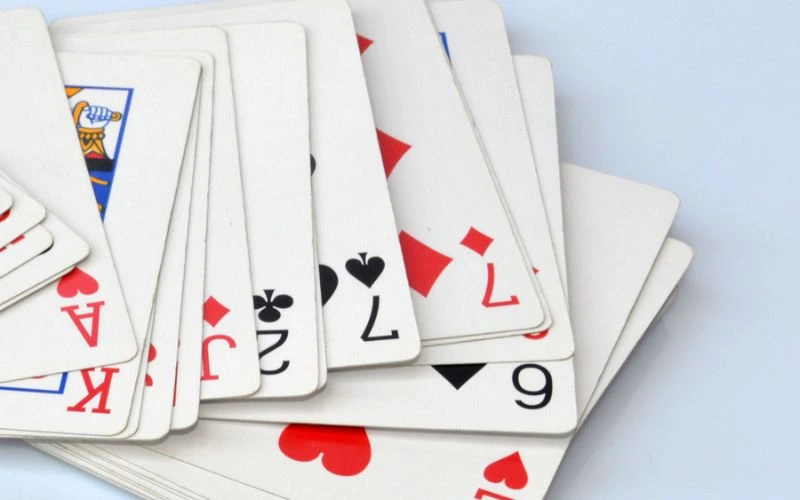
Card counting in poker is a technique skilled players use to keep track of the cards dealt from the deck. It allows players to make more informed decisions based on the probability of certain cards remaining in the deck. While card counting is often associated with blackjack, it can also be applied to various poker variants, such as Texas Hold’em and Omaha.
The Basics of Card Counting
Now that we’ve established what card counting is let’s move on to the basics of counting cards in poker.
The High-Low Card Counting System
One of poker’s most widely used card counting systems is the High-Low system. Here’s how it works:
- Assign a value to each card: In the High-Low system, cards 2 to 6 are assigned a value of +1, cards 7 to 9 are neutral (0), and cards 10 to Ace are assigned a value of -1.
- Keep a running count: Add or subtract the assigned values to maintain a running count as the cards are dealt. The running count reflects the overall “count” of the deck.
- Calculate the true count: To account for the number of decks remaining in the shoe, divide the running count by the number of decks yet to be played. This gives you the true count, which is more accurate for making decisions.
Using the True Count to Your Advantage
Once you’ve calculated the true count, you can use it to your advantage in various ways:
- Betting Strategy: Increase your bets when the true count is high, indicating a favorable deck for the player. Conversely, reduce your bets when the true count is low, indicating a deck favorable to the house.
- Playing Strategy: Adjust your playing strategy based on the true count. For example, you may be more aggressive in doubling down or splitting pairs when the count is in your favor.
Advanced Card Counting Techniques
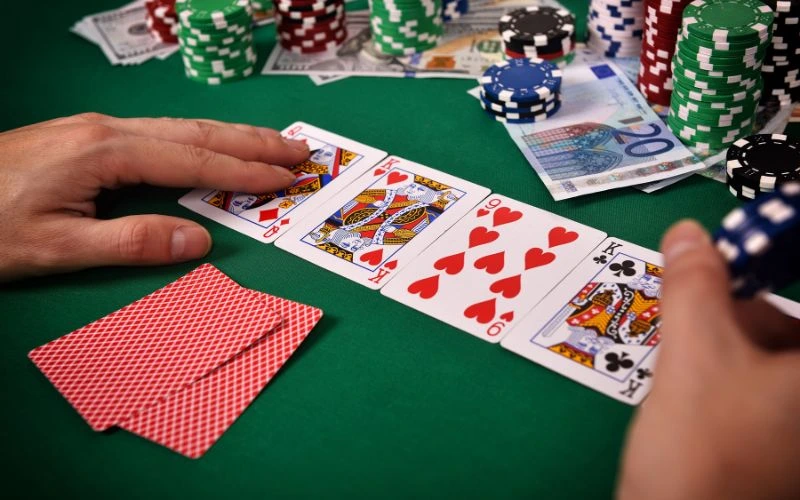
Here are some advanced card-counting techniques;
The Hi-Lo Ace Side Count
Players incorporate an Ace side count in more advanced card counting to gain a more accurate edge. This technique involves keeping a separate count of Aces that have been dealt with. By doing so, you can better predict the likelihood of hitting a blackjack or forming strong hands.
Shuffle Tracking
Shuffle tracking is an advanced technique that follows groups of cards as the dealer shuffles cards. Skilled players can use this method to predict the position of specific cards in the deck after a shuffle, providing a significant advantage.
Counting Cards in Blackjack
Counting cards in blackjack is a well-known strategy to gain an edge over the casino. While it’s not directly applicable to poker, the principles of card counting remain largely the same. However, casinos may ban card counters in blackjack, so caution is advised.
Counting Cards in Baccarat
Card counting in baccarat is less common than in blackjack or poker. Baccarat is a game of chance with a low house edge, making card counting less effective. It’s generally not recommended to use card counting strategies in baccarat.
How to Count Cards in Texas Hold’em
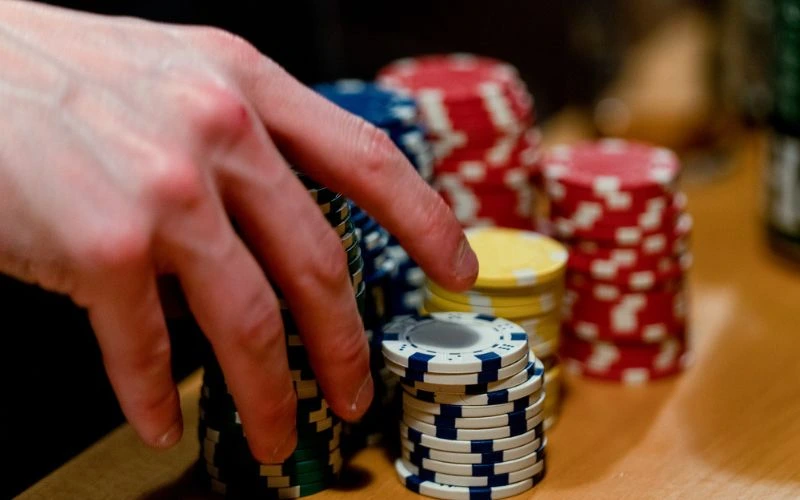
Counting cards in Texas Hold’em differs slightly from traditional card counting, as you’re dealing with community cards and not a single deck. However, skilled players can still gain an advantage by tracking the cards that have been revealed and making educated guesses about their opponents’ hands.
Is It Legal to Count Cards in Poker
Card counting is generally legal in poker. Unlike in blackjack, where casinos may ban card counters, poker relies on skill and strategy, making card counting a legitimate technique. However, it’s essential to be discreet and avoid behaviours that might draw unnecessary attention to your card-counting efforts.
Conclusion
In conclusion, card counting is a valuable skill that can enhance your poker game. While it may not guarantee success, it can give you a significant edge over your opponents when used wisely. Remember that card counting takes time to master, so practice diligently and always combine it with solid poker fundamentals for the best results. Happy counting, and good luck at the tables!


