

An Introductory Journey to the World of Poker with Pokerology
Welcome to our first poker lesson; this is the introduction to poker. This is the introduction to a wealth of knowledge about the most exciting card game ever devised – poker. Either you already know it or will learn it as you go through these lessons offered by Pokerology.me.
The “it” I refer to is that poker is an incredibly enjoyable, challenging, and addictive game. Once the poker bug has bitten you, there is seldom a cure. If that is true, and based upon the years I have played and enjoyed the game, I believe it to be, then it is worth your time and effort to play it well.
You will soon learn that there are many different poker variations, but they have one thing in common: you must use your best five cards to make your hand.
All forms of poker use a fifty-two-card deck made up of ranks starting with a two, commonly called a deuce, and continuing by number through ten, and then in order comes the Jack, Queen, King, and Ace.
There are four suits: Spades, Hearts, Diamonds, and Clubs, all of which are of equal value in poker. So, four cases of thirteen other ranks make the fifty-two cards in a complete deck.
The Object of Poker
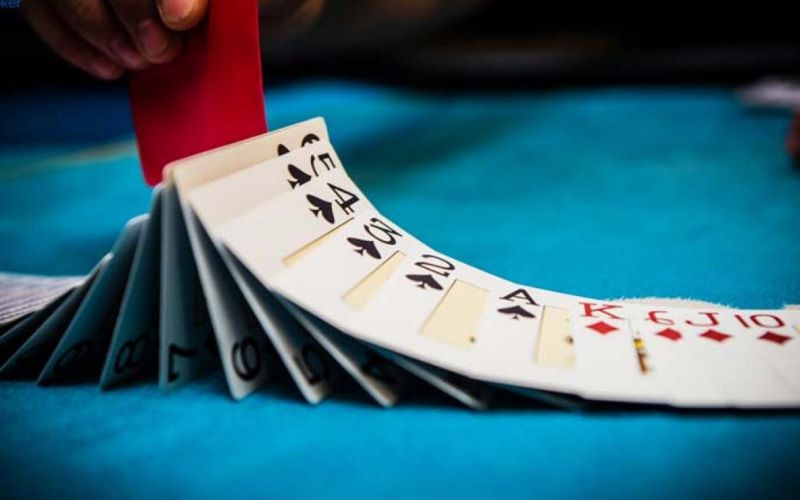
The object of poker is very simple – to win the money in the center of the Table called the pot, which contains the sum of the participants’ bets on that hand.
Players make their bets or wagers on the belief they have the best hand or in the hopes they can make a better hand and give up, surrendering the pot to them. An old poker expression states that a bet saved is a bet earned.
This underscores the concept of discretion being the better part of valor and not continuing to call bets made by others unless you believe you have the best hand. You may have heard the same concept expressed by the sage advice of “don’t throw good money after bad.”
Where did it Begin?
Some people believe the origins of poker reach back hundreds of years to Persia, where a poker-like game was played. While this may be true, London-based author Des Wilson’s Ghosts at the Table is a fascinating account of the genesis of poker, which he has chronicled from the American Old West to the Mississippi riverboats to the Texas road gamblers to modern-day Las Vegas.
Of one thing, there is no doubt – poker has become an international phenomenon. The World Series of Poker, regarded by many as the Holy Grail of the game, draws players worldwide. The American Old West has turned global, and poker is everywhere.
A Game of People Played with Cards
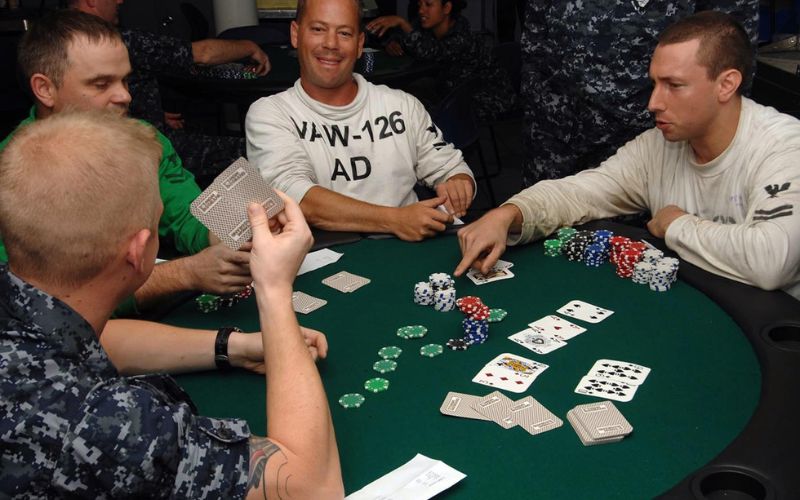
It has often been said that poker is not a card game, but a game of people played with cards. Anthony Holden, the British author of both Big Deal and Bigger Deal, had this to say regarding people and poker:
“Whether he likes it or not, a man’s character is stripped bare at the poker table. If the other players read him better than he does, he has only himself to blame. Unless he is both able and prepared to see himself as others do, flaws and all, he will be a loser in cards, as in life”.
If you dedicate yourself to working through all of the offered lessons coupled with playing time to gain the requisite experience, you will come to recognize just how true Mr. Holden’s quote is.
Is Poker Luck or Skill Dependent?
Many people who are not familiar with poker and are generally anti-gambling just lump poker with other games of chance and believe success largely depends on luck.
On the other hand, we here at Pokerology understand the contest and, while granting that there is certainly an element of luck involved, believe knowledge and skill will prevail in the long run. The best way to prove this assertion is to compare poker, a game of skill, to casino games with a built-in house advantage.
The main difference in luck’s role between poker and casino games is the number of trials. In poker, while a knowledgeable player can lose in the short term, he should be expected to win over time. This assumes he is not playing with superior competition, which is outplaying him.
In casino games, while one can win easily in the short term, over time, the house edge or percentage will grind a player down, and ultimately, he will lose.
The conclusion to this debate is simple – if you are truly a knowledgeable and disciplined poker player, you will have to be unlucky to lose, while a player of games of pure chance needs to be lucky to win.
You have come to the right place to deepen your knowledge of the game and hone the necessary skills to be a long-term poker winner.
Is Poker Good For You?
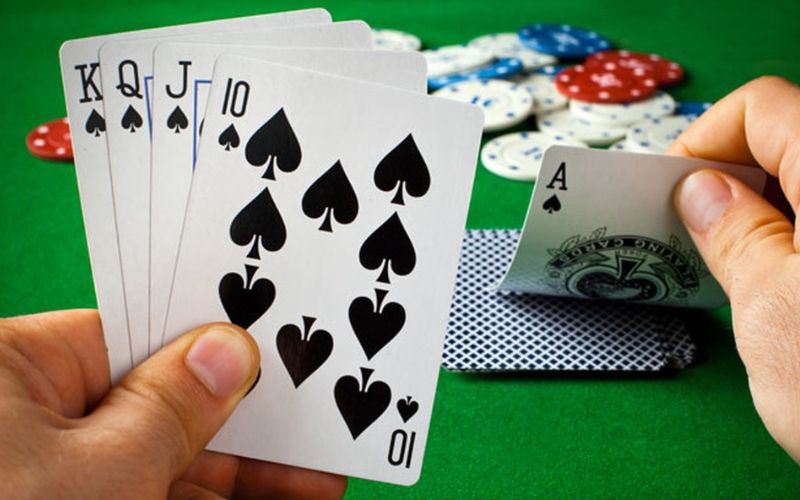
Poker is good for you. A bold statement, you say? I can name several ways this statement is true. The poker game is challenging and keeps your mental acuity sharp. It supplies the adrenaline rush of competition that most gamesmen crave.
It can fill your time with a camaraderie that can be rewarding. Last but not least, played well, poker can provide you with the extra coin of the realm, which one can always find a use for. It’s not a bad group of rewards for playing a card game.
Recommendations for New Poker Players
If you’re new to poker, there is much to learn. I strongly recommend you work through the poker lessons on Pokerology.me by following the study guide.
We also strongly recommend you take this opportunity to open an online poker account and start playing just as soon as you feel comfortable. There are many sites, but please see our list of the top online poker rooms.
Studying the poker lessons here at Pokerology is crucial, but combining this with actual playing time will teach you so much more.
Poker professional Mike Sexton is fond of saying that poker “can take a moment to learn but a lifetime to master.” I agree, but I don’t share Mr. Sexton’s thoughts to dissuade you from moving forward. I encourage you to embrace the poker experience, as it demonstrates how rich and rewarding the game can be.
I enjoy the analogy that the game is like an onion—as you peel back each layer of knowledge, you find another layer. Once you begin the journey, you’ll never stop learning.


