

Is Poker a Sport? Debunking the Old-Age Debate
Poker, a game of skill, strategy, and psychological prowess, has long been debated regarding its classification as a sport. While some argue vehemently for its recognition as a sport, others maintain that it lacks the physical exertion typically associated with athletic endeavors. In this article, we delve into the nuances of this ongoing discussion, exploring various perspectives and shedding light on the factors that define a sport.
Defining Poker

Before delving into the debate, let’s clearly understand what poker entails. Poker is a card game that involves elements of chance, strategy, and psychology. Players compete to win chips or money by forming the best possible hand of cards or by bluffing opponents into folding their hands.
Characteristics of a Sport
To determine whether poker qualifies as a sport, it’s essential to consider the defining characteristics of athletic activities. While traditional sports often involve physical exertion and athleticism, several other factors contribute to their classification:
- Physical Activity: Traditional sports, such as running, jumping, or throwing, typically involve physical exertion and athleticism.
- Competition: Sports entail competitive gameplay, with participants striving to outperform each other within a set of rules.
- Skill and Strategy: Mastery of skills and strategic thinking are crucial in sports, allowing athletes to outwit opponents and achieve victory.
- Organized Structure: Sports often have organized leagues, tournaments, and governing bodies that regulate gameplay and ensure fairness.
Is Poker a Sport?

Classifying poker as a sport has sparked widespread discussion and debate, prompting a closer examination of the criteria used to define athletic activities. In this section, we delve into the key factors influencing perceptions of poker’s status as a sport, considering physical activity, competition, skill, and organizational structure.
Physical Activity vs. Mental Engagement
Competition and Strategy in Poker
At the heart of any sport lies the spirit of competition, and poker is no exception. In this subsection, we analyze the competitive dynamics inherent in poker gameplay. We examine strategic thinking, skillful maneuvering, and tactical decision-making. By exploring how poker players navigate the game’s complexities, we gain insight into the competitive nature of the sport.
Skill-Based Elements of Poker
A distinguishing feature of sports is the emphasis on skill development and mastery, and poker is replete with opportunities for players to showcase their expertise. From calculating probabilities to reading opponents’ tells, poker demands diverse skills that contribute to success. This section explores the skill-based elements of poker and their relevance to the sport’s classification.
Organizational Structure and Professionalism
An often overlooked aspect of sports classification is the presence of organized leagues, tournaments, and governing bodies that regulate gameplay and uphold standards of professionalism. In this subsection, we examine the organizational structure of the poker industry, highlighting the proliferation of tournaments, events, and professional associations that contribute to poker’s status as a legitimate competitive pursuit.
Arguments for Poker as a Sport
- Mental Agility: Poker demands exceptional mental agility. Players must analyze complex situations, make quick decisions, and anticipate opponents’ moves.
- Training and Preparation: Like athletes in traditional sports, professional poker players undergo rigorous training and preparation to hone their skills and maintain peak performance.
- Physical Endurance: While poker may not require physical prowess, the mental endurance required for prolonged gameplay sessions can be comparable to the stamina needed in physical sports.
Arguments Against Poker as a Sport
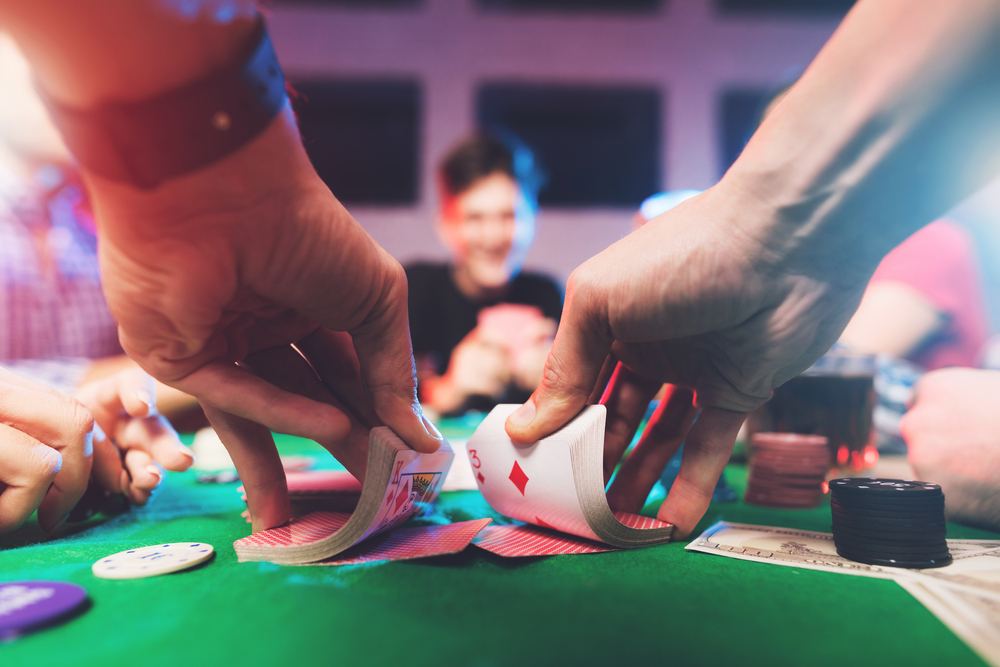
- Lack of Physical Activity: Critics argue that poker’s sedentary nature disqualifies it from being considered a sport, as it does not involve physical athleticism or exertion.
- Subjectivity in Judging: Unlike objective sports with clear winners and losers, poker involves subjective elements such as bluffing and reading opponents, which can introduce ambiguity into the outcome.
- Dependency on Chance: While skill plays a significant role in poker, luck also factors into the game, leading some to question its classification as a sport.
Comparing Poker to Recognized Sports
Here’s a comparison table comparing poker to recognized sports:
| Criteria | Poker | Recognized Sports |
|---|---|---|
| Physical Activity | Limited physical exertion, primarily mental engagement. | It involves significant physical activity like running, jumping, or throwing. |
| Competition | Highly competitive; players vie for chips or money. | Competitive gameplay within defined rules and objectives. |
| Skill and Strategy | It relies heavily on skill and strategic thinking, including probability calculation and psychological analysis. | Mastery of specific skills and strategic planning is crucial for success. |
| Organizational Structure | Features organized tournaments, professional leagues, and governing bodies (e.g., WSOP, WPT). | Established leagues, associations, and governing bodies oversee competitions and uphold standards. |
This table highlights the distinctions and similarities between poker and recognized sports, underscoring each’s unique attributes while acknowledging common elements such as competition and skill.
Conclusion
In conclusion, the question of whether poker qualifies as a sport is nuanced and multifaceted, with valid arguments. While poker may not fit neatly into traditional definitions of athleticism, its emphasis on competition, skill, and strategic thinking elevates it to legitimacy within sports. Whether viewed as a mind sport, a competitive pursuit, or a distinct form of competition, poker commands respect for the mental acuity and dedication it demands from its players. As the sports landscape continues to evolve, the recognition of poker as a legitimate and respected endeavor underscores the diverse nature of athletic pursuits today.
FAQs
Is Poker Considered a Mind Sport?
Many organizations recognize poker as a mind sport because it emphasizes strategy, skill, and mental acuity. Mind sports prioritize intellectual challenges over physical prowess, making poker a natural fit within this category.
Do Professional Poker Players Undergo Training?
Absolutely. Professional poker players dedicate extensive time to studying the game, analyzing strategies, and practicing their skills. Training regimens often involve studying hand histories, reviewing gameplay footage, and engaging in simulated scenarios to sharpen decision-making abilities.
How Do Poker Tournaments Compare to Athletic Competitions?
While poker tournaments may not feature physical feats of athleticism, they share similarities with traditional athletic competitions in intensity, competitiveness, and the pursuit of excellence. Both involve high-stakes competition, strategic maneuvering, and the quest for victory.


