

Poker and Luck: Partners or Opponents on the Table?
In the poker world, a captivating interplay exists between the strategic prowess of skilled players and the unpredictable whims of luck. As enthusiasts gather around tables or compete in online arenas, whether poker is primarily a game of skill or luck continues to spark lively debates. Delving into this discourse unveils the intricate balance between calculated decision-making and the ever-present element of chance. This exploration navigates the nuances of poker’s landscape, where players’ proficiency and the roll of the dice converge in a dance that defines the essence of the game.
Navigating the Skill vs. Luck Controversy in Poker
The debate over whether poker is a game of luck or skill has raged for what seems like forever. The premise that poker is a game of skill is the central issue in attempting to get the UIGEA overturned in the United States or at least having poker exempted. If you are on this website and reading this article, your general feeling is that there is more skill than luck in succeeding at the poker game. Even so, I’m sure you have come into contact with people who are not devotees to poker and believe you to be just a gambler. I always chuckle at these folks because even if it was true – so what, buzz off, mind your own business, take a hike, and kiss my something or other!
Poker’s Skill vs. Luck Debate
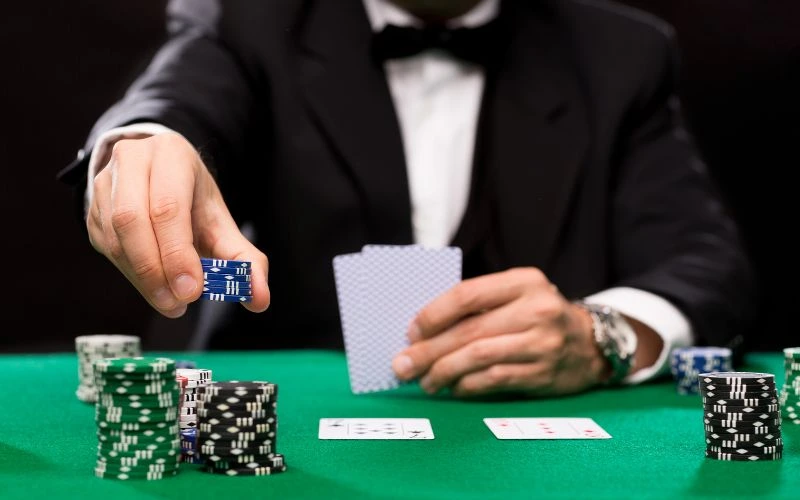
Many prominent people in the poker industry have weighed in on the issue and have expressed some diverse and entertaining points of view. A top name in tournament circles and a former WSOP main event bracelet winner, who I can’t name but whose initials are Phil Hellmuth (oops), has put forth some opinions on this subject. My favorite Phil Hellmuth quote is, “Poker is 100% skill and 50% luck”. Hellmuth has never aspired to win the world’s humility contest, as evidenced by his most famous quote on luck in poker – “If it wasn’t for luck, I guess I’d win every tournament.” My favorite quote on the subject comes from British author Anthony Holden in Big Deal, “Poker is not a form of gambling; on the contrary, gambling is a style of playing poker – a loose and losing style, at that.”
Poker’s Skill vs. Luck
As the debate continues, the general,l populace often lumps poker alongside other games of chance, such as casino games with a built-in house advantage, such as roulette and craps. We should all acquire simple yet insightful arguments to defend the game we love from these hooligans who don’t understand how much skill is involved. In this article, I, Tom “TIME” Leonard, will share the definitive answer to the skill versus luck debate when comparing poker, a game of skill, to casino games with their built-in house advantage.
Poker’s Skill vs. Casino Games’ Chance
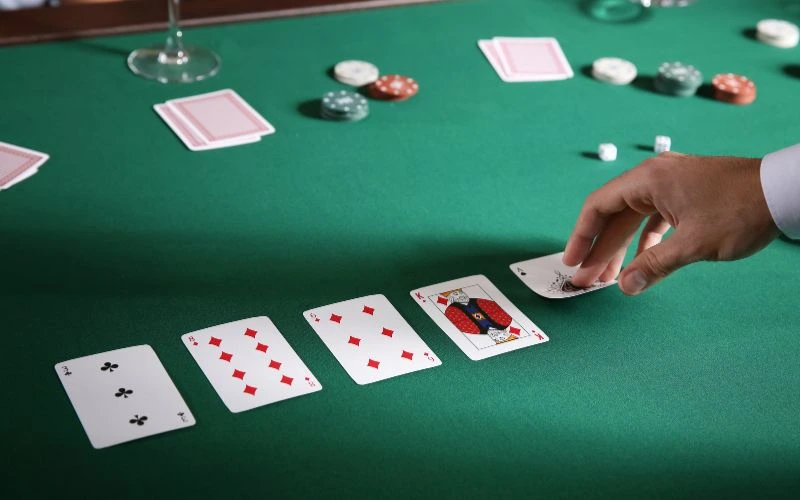
We’ll get to the promised definitive answer, but first, let’s explore the reasoning supporting the solution. In any game that involves a degree of chance, a player’s knowledge of the game’s underpinnings, coupled with the discipline to control one’s emotions, will enhance the likelihood of prevailing.
The primary difference between casino games with built-in house edges and playing poker is simply the number of trials embarked upon. In poker, if you are a knowledgeable, disciplined player, the longer you play, the better the chances that the short-term luck, which is inherent in the game, will flatten out. Conversely, in the play of casino games, the longer you play, the more certain it is that you will lose. That is why Las Vegas and other gambling venues have been able to build their Palaces of Chance. The chance part relates to the player, not the casino owner.
Many of the casino industry’s most popular games only give them a slight edge, but the extraordinary number of trials assures them their profit. They profit from cutting the pots or assessing a time charge in their poker rooms, only offered as a necessary accommodation to their client base. They also hope you will participate in one of the house games when you’re done playing poker.
The Role of Luck and Skill in Poker
There is no question that the magnitude of luck in poker is tied to two criteria. One is the number of trials, and the other is the participant’s skill level. Weak, undisciplined players must rely on luck because they do not bring enough skill. While one can never beat the casino’s games over the long haul, the same dynamic is at play regarding your level of knowledge about the game.
If you know little about the game and are not disciplined, you will lose money much quicker than your knowledgeable counterpart. The difference is the certainty of losing over time. It is why there is no such occupation as a professional roulette or craps player versus a professional poker player.
Skill Trumps Luck in Poker
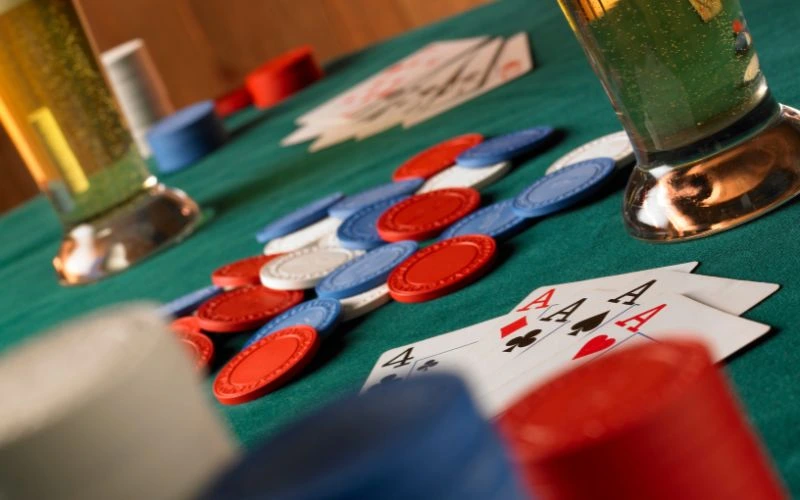
I promised to share the definitive answer to the luck versus skill debate, and here it is. If you are truly a knowledgeable and disciplined poker player, you have to be unlucky to lose, while in a game of pure chance, you need to be lucky to win. Certainly, there is an element of luck involved in poker, and part of that makes it so much fun. However, if you continue to work on your game and the skills necessary to become a winning poker player, you won’t need to be lucky to win. As you deepen your knowledge of the game and hone your skills, you will distance/lessons/winners-checklist/ yourself from the legions of weak players, and you will have to be unlucky to lose!
So, you have a reasoned response the next time a friend, neighbor, or family member questions your dedication to the poker game, implying you might be a degenerate gambler. If that doesn’t work, you can tell them to frig off!
Related Articles


