

Mastering Poker Playing Styles for Winning Strategies
Poker is not just a card game but a game of people playing with cards. As you progress toward poker expertise, you will experience moments when you realize how powerful this statement is. In this lesson, we’ll look at some basic poker-playing styles and how to spot them. Whether you’re playing online or live when you observe the types of decisions your opponents make, you can pick up on their tendencies, psychologically and emotionally – that can help you determine how best to play against them.
Poker is a game of observation. Therefore, the first step to defining a player’s playing style is to observe their general tendencies. This factor is the central core of poker success. Learning your opponents’ proclivities is a must if you intend to become a winning player. Every action an opponent takes means something. Why, from that position, did player X raise or call? It cannot be stressed enough to pay attention, especially when not in hand (which should be most of the time), to learn how your opponents think and act.
Defining Poker Playing Styles

Each poker player can be divided into two primary factors, broadly defining their playing style. They are as follows: tight vs. loose and passive vs. aggressive.
Tight vs. Loose
This first primary factor is shown in a player’s starting hand selection
- Tight poker players usually play a small number of only the best hands.
- Loose poker players will often play a wide variety of hands.
Being tight or loose doesn’t necessarily refer to how somebody plays their hand but merely the selection of hands they play. They will either lay a tic-lose range of hands or a flexible range of indicators. How they play those hands – whether passive or aggressive – will dictate how you play against them.
Passive vs. Aggressive
A player’s passiveness or aggressiveness is displayed in their risk tolerance.
- Passive poker players tend to avoid confrontation and play with a fear of losing.
- Aggressive poker players raise more than call and are not afraid to put chips at risk.
By observing your opponents, you can categorize them based on what you see. Each poker player you encounter will have some degree in which these factors make up their personality, but you start somewhere. The first step is to determine whether they are tight or loose. If an opponent folds most of their hands, thank them as friendly. If they tend to play a lot of hands, keep them open. The next factor to determine is whether they are passive or aggressive. Do they call and check more often than they raise and bet? If so, mark them down as inactive. You can mark them as aggressive if they bet and raise a lot.,The Four Basic Poker Playing Styles
By assessing these factors, you will typically see four general playing style combinations:
- Tight Passive
- Loose Passive
- Tight Aggressive (TAG)
- Open Aggressive (LAG)
Knowing these broad characteristics will help you determine what a player has based on his betting action in a particular hand. If a loose-aggressive player is betting and raising, you are less likely to credit him with a strong hand than if a tight-passive player raises or re-raises since it’s something they don’t usually do.
Let’s examine these four basic playing styles in more detail:
The Tight-Passive
A typical tight-passive player doesn’t play many pots and will often jull pre-flop when they find a hand they like. They will play so tight that when they do play, everyone else folds. So, they can’t make any money when they have a good hand. His type of player is sometimes labeled as a ‘rock’ or a ‘nit,” the general style of play can also be called ‘weak-passive.’
They are easy to bluff and frequently fold to scary board cards like Ace. The timid players can also be paralyzed with fear and won’t take shots. This is because they tend to play with a fear of losing. Observant players who have identified a weak, predictable player will always look for situations that can be exploited simply because the tight-passive player folds too frequently to aggression.
The Loose Passive
Loose-passive players like to limp into lots of pots. They will call raises “just to see a flop” and remain in the hand whenever they hit any of it, however marginal. They seldom take chances or become aggressive in their plays and tend to be “calling stations” when they do. Their whole approach to playing poker is to watch and let others do the risking. Many beginners or even players who’ve played for a long time can fall into the trap of just calling, calling, and calling.
This is especially true in low buy-in games. They are very obvious to spot and are easy targets. Unlike the tight-passive players, you won’t be able to bluff them – you never want to bluff a calling station! But when you pick up a fairly strong hand, you should bet on value and milk as much out of it as possible.
The Tight Aggressive (TAG)
The tight-aggressive player generally doesn’t play many pots. They are selective and generally only play the best-starting hands. Unlike tight-passive players, tight-aggressive player will play their cards strongly. They are patient and wait for the best opportunities to strike, but they are not afraid of betting.
The best tight-aggressive players are often labeled as ‘sharks’ because a tight-aggressive style is frequently effective, regardless of the game variation or betting structure. Most observant opponents will avoid clashing with a tight-aggressive player since they assume they have the best hand and will fold under pressure.
The Loose Aggressive (LAG)
The loose-aggressive player tends to raise or re-raise a wide variety of hands pre-flop and often bets on most flops. They can be extremely difficult to read because they play various indicators. In no-limit hold ’em, some very skilled players employ a loose-aggressive style of play to great effect. They use their chips as weapons and constantly pressure their opponents. They will bluff a high percentage of the time and are hard to play against. However, at the end of the loose-aggressive scale is the ‘maniac’ who seemingly raises without rhyme or reason. The maniac’s tendency to overplay his hands means you will almost surely show a profit in the long run against this type of player.
Tricky or Straightforward?

Be aware that nobody fits into very neat or specific groups. Once you’ve put players into an initial category, you’re ready for the next step – to determine whether they are tricky. This is not always easy because poker players tend to fall on a continuum that ranges between extremely tricky and completely straightforward.
However, it’s important because you can interpret their actions more accurately once you put them somewhere on the scaly. For example, suppose a tight-aggressive player raises pre-flop from an early position. If he is straightforward and tight-aggressive, you can create and edit him with a strong hand, such as a premium pair. If you’ve determined he’s a tricky player, he might mix it up by raising with two big cards or a suited Ace.
The key to all of this is observation. You need to observe the players at your table, pick up on their tendencies, and understand what type of plays and decisions they make based on their personality types. Suppose you can classify them into some of the groups we’ve discussed. It then makes your choices a lot easier and more profitable.
The Importance of Aggression
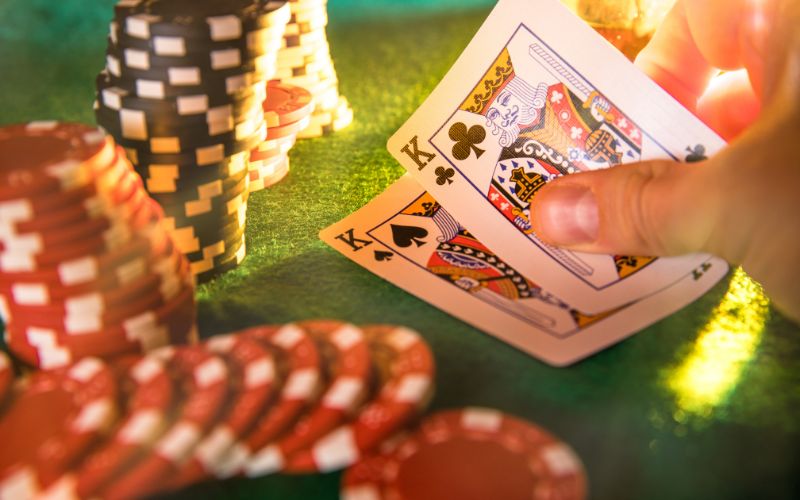
Remember that poker is a game of aggression, especially true of hold’em. If you don’t want to be aggressive, then you shouldn’t play — or at least you shouldn’t expect to win. Poker is all about conflict and is not a game for the weak. This is why an aggressive style of play is critical to success. This is a central truth of the game we all deal with whenever we sit down. We’re trying to beat the other player and take their money. As the late great Jack Straus once said,
“I’d even bust my grandmother if she played poker with me.”
Sometimes, it’s good to be deceptive and call pre-flop with a premium hand or check-call a strong hand after the flop. Even aggressive players do this occasionally, but the big difference is they’re mixing up their game – unlike the tight-passive player who only calls when they should probably raise due to a fear of losing. As the old poker saying goes,
“Scared money never wins. “
The biggest downside to a passive style of play is that it only offers one way to win the pot – when you have the best hand. An aggressive style of space gives you two ways to win – when you have the best hand and force your opponent to fold the best hand, thereby surrendering the pot to you. For example, if you were aggressive pre-flop, depending on the cards on the flop, you can continue your aggression by betting and often winning the hand, even if you miss completely.
Which is the Best Playing Style?
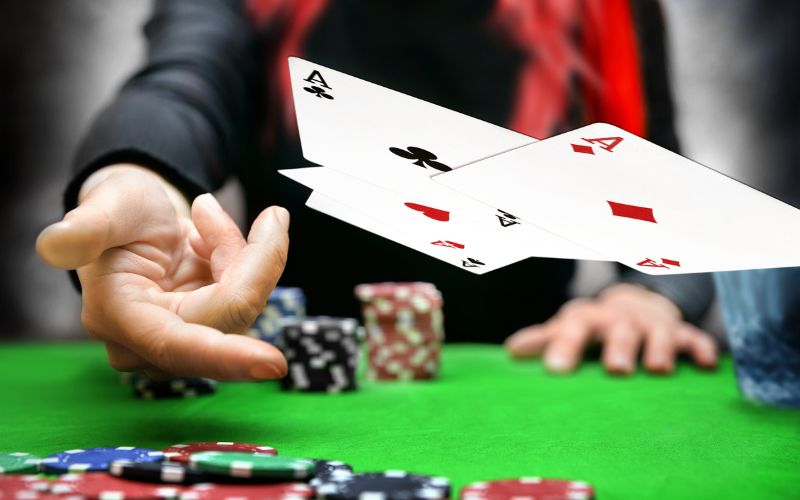
We’ve already discussed the importance of aggression and why it’s almost always best to be aggressive. A good, solid strategy of tight and aggressive play is generally rewarded with a profit. Some experienced players have had great success by adopting a loose-aggressive poker style. However, a tight-aggressive approach is usually the most profitable for most players. This style of play is also undoubtedly the best way for beginners to start playing poker since it teaches good habits such as patience and discipline. The tight-aggressive approach also works well as a “de” adult position.” Ayers often builds a strong skills base by starting with such a playing style.
Ultimately, you should choose a style of play that suits your personality and is the most profitable for you; your kind of space at the poker table is often shaped by your character away from the table. Some people can play very differently from their actual personalities, but most will revert to type.
For example, some players we could label as ‘loose-aggressive/passives’ will ‘aise many hands pre-flop but often give up on the flop or turn. Typically, these are former tight-aggressive or tight-passives trying to experiment with looser play but are uncomfortable committing to their aggression – because it’s against their nature. So, the best advice we can give is to find what works for you by playing poker and gaining experience on the felt.
It’s important to point out that the best poker players adjust their style to the players at the table and the conditions of the game. It’s said that if you’re on a table full of tight players, you should loosen up, whereas if you’re on a table full of aggressive players, then playing a close game and catching them in the act is an effective strategy. Always be observant of the players at your table and the conditions, and adapt your style of play when necessary. It’s white poker players who do.
Conclusion
In closing, remember that poker is not just a card game; it’s a mind game. It’s a game of skill, observation, and calculated risk-taking. By continually honing your understanding of playing styles and practicing your adaptability, you can embark on the path toward mastery. Whether you’re a novice looking to improve or an experienced player aiming to refine your skills, poker offers endless opportunities to learn and grow. So, step up to the table, stay vigilant, and may the cards be ever in your favor as you continue to master the art of poker.


