

The Poker Study Guide: Mastering the Game Like a Pro!
With so much to learn, beginners to poker often feel overwhelmed and don’t know where to start. Stimulating poker concepts in one fell swoop is difficult, and learning takes time. This is why we’ve developed this study guide – to plan a course of study for beginners and to provide the structure that’s so important when learning new skills.
We have poker lessons here; they don’t all feature in this study guide. Instead, we’ve carefully selected the most appropriate classes to help build your poker skills step-by-step and to provide a solid foundation upon which to build.
This study guide is split into various skill levels, and a quiz follows each major section. If you’re new to poker, we recommend you start by studying the lessons within our entry level.
Entry Level
The following group of poker lessons provides an introduction to the game. You’ll learn the basic rules, how the betting works, the different poker variations, and a few basic poker terms.
- An Introduction to Poker
- Poker Hand Rankings
- The Basic Rules of Poker (Texas Hold ’em)
- Poker Terms Explained
Finished? If so, take the entry-level quiz.
Beginner Level
The beginner level of this study guide will provide a solid foundation on which to build your poker skills.
If you study our entry-level lessons, then you’ll understand that there are many ways in which poker can be played. This means there isn’t a poker course that will suit everyone. So, before we continue with more lessons, let’s discuss your options at this early stage of your development.
The first decision point is whether to play cash games or tournaments. As a beginner, we believe cash games are your best bet. This is because the variance – what we call fluctuations in luck – is much higher in tournaments, so much so that it can take a very long time to determine if your tournament results are due to a lack of skill or simply a run of bad luck. Because the variance inherent in cash games is less, you should be able to assess whether it’s your ability or entirely a run of bad luck in a shorter time frame.
Choosing the Right Format and Variation of Poker
Once you’ve played cash games and seem to be improving in studying, learning, and growing as a poker player, you should be able to move to tournaments with the assurance that your basic game is good. Once you know you play well, you can begin making the adjustments required to play matches well.
It comes down to personal preference, and it’s entirely your choice. You may wish to supplement your learning as and when you’re ready, but the poker lessons referenced in this study guide remain applicable to either format. Although we argue in favor of cash games for beginners, combining both would also work at this stage – giving you time to decide which challenge you’d prefer.
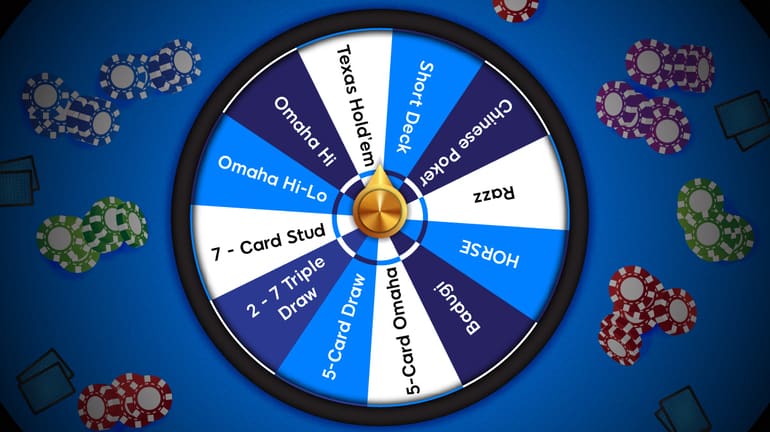
The next decision point is the variety of hold’em you learn to play; either limit or no limit. Many of our poker lessons focus on general concepts that will help you in either variation, but these games play very differently. Limit hold’em is well suited to beginners because it’s a more mechanical and structured game. However, because no-limit hold’em is currently the most popular poker variation, it will be the focus of this study guide.
With all this out of the way, let’s move on and return to the lessons. We’ll start this section of the study guide with a look at the basics, including some simple betting concepts:
Hand Selection and Positional Play
Knowing that you’re eager to play, let’s focus your efforts on the importance of choosing the right hands and introduce you to the concept of positional play with these two very important lessons:
Additional Resources for In-depth Understanding
The following resources should also help guide your understanding of these topics:
- No-Limit Hold ’em Starting Hands Chart (PDF – print out or bookmark for easy reference)
- Video: No-Limit Starting Hands with Lou Krieger
Starting Hands in NL Hold’em: Selection & Position
It would be best to understand what starting hands to play in no-limit hold ’em based on hand strength and your position. This next selection of poker lessons will provide further guidance on how and why you should play your starting hands.

Poker Math: Good vs. Bad Bets
Math is a key concept in poker. You don’t have to be a math genius to succeed at poker, but knowing the math is essential. In the next group of lessons, we’ll cover basic poker concepts that will help you tell the difference between good bets and bad bets and put you on the road to playing profitable, winning poker:
- Poker Math & Probability
- Poker Drawing Odds & Outs
- An Introduction to Pot Odds
- Calculating Expected Value
There’s more to poker than math, so now it’s time to introduce you to the psychology of poker:
As we approach the end of this study guide section, we suggest you start playing poker for real money. Maybe you are already; if so, then great. It’s important to reiterate that poker is a game of money played with cards, and something must be at stake, even if it’s only pennies. If you’ve yet to transition to real money poker, we suggest you start now – but only at stakes you can afford. This is also an appropriate time to introduce you to the fundamental poker concept of bankroll management:
Poker Bankroll Management
Here are the key points about poker bankroll management presented in bullet points:
- Define Your Bankroll
- Establish a Bankroll Management Plan
- Adjust Stakes Based on Bankroll
- Avoid Chasing Losses
- Protect Your Bankroll
- Separate Personal and Poker Finances
- Continuously Monitor and Evaluate

These bullet points summarize the important aspects of poker bankroll management that players should consider to effectively manage their funds and sustain their poker careers.
Typical Beginner Mistakes
Finished? If so, take the beginner-level poker quiz.

Here are the common mistakes made by poker beginners in bullet points:
- Playing Too Many Hands
- Ignoring Position
- Overvaluing Hands
- Lack of Bankroll Management
- Poor Reading of Opponents
- Lack of Discipline and Emotional Control
- Inadequate Study and Learning
These bullet points summarize beginners’ typical mistakes in their poker gameplay.
Intermediate Level
This study guide section will introduce you to various poker concepts and strategies to take your game to the next level.
The following lessons are those we consider to be the most important at this stage of your development. Remember, there are many more poker lessons, which you can also study – but these are the ones that we believe will help get you to the next level in the fastest possible time.

The first group of poker lessons is important concepts in no-limit hold’em:
Here is a selection of poker lessons that focus on post-flop betting strategies:
The following two lessons cover two very important concepts that will get you thinking about maximizing your profits, which is the key to successful poker:
This next group of poker lessons is all about ‘playing the player and provides effective strategies for playing against different types of poker players:
If you have followed this study guide from the beginning, you should now have amassed a wealth of knowledge on poker. There’s still much more to learn, but the next step is to plug any leaks into your game. Therefore our final group of lessons all focus on winning poker skills:
Finished? If so, take the intermediate-level poker quiz.
Minnesota Fats, the legendary American pool hustler, was once asked about the technical aspects of billiards to improve one’s play. He responded, “Ya’ just gotta hit balls and balls and balls – and you’ll learn.” In that regard, poker is much the same. The concepts we’ve presented throughout this poker course should help you think about how to play poker, but you need to play and play and play to understand and excel at the game truly.
Conclusion
This study guide is intended to teach the fundamentals of winning poker. We deliberately streamlined this guide and excluded many poker lessons. This means there is still a lot to learn, but at this stage of your development, it’s less important for us to provide you with structure and guidance. Our best advice is to continue playing poker and browse our poker lessons at your leisure, picking out the topics that you think will benefit your game the most.
Don’t forget that there is more than one game in town, and no-limit hold’em is just one of them. Many players stick to the game they initially learned, but a true poker player feels at home with other poker variations. We, therefore, recommend you know how to play limit hold’em, along with variations such as stud, Omaha, and razz.


