

Beginner Level Quiz: Test Your Knowledge and Improve Your Game
Are you new to poker and looking to enhance your understanding of this exciting card game? You’ve come to the right place! Welcome to our Beginner Level Poker Quiz, where we will test your knowledge and provide valuable insights to help you become a better poker player.
The Importance of Poker Knowledge for Beginners
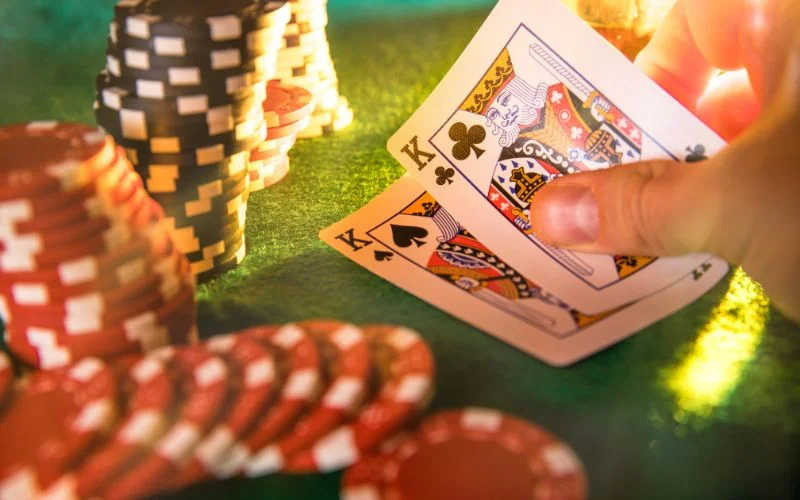
Poker is a game of skill and strategy that combines luck and psychology. Understanding the fundamental concepts of poker is crucial for beginners who aspire to become successful players. Let’s dive into some key areas of poker knowledge that our quiz will cover:
Poker Hand Rankings
One of the fundamental aspects of poker is knowing the hand rankings. You’ll need to be able to differentiate between a pair, two pairs, three of a kind, and other combinations. Your ability to recognize the strength of your hand will impact your betting decisions.
Betting Strategies
Effective betting strategies are essential in poker. We’ll explore topics like when to check, bet, raise, or fold and the importance of pot odds and implied odds in making informed decisions at the poker table.
Table Position
Your position at the poker table can significantly affect your strategy. We’ll discuss the advantages of being in a late place and the challenges of being in an early class, helping you make better decisions based on your seating.
Bluffing and Reading Opponents
Bluffing is a vital skill in poker, but it should be used sparingly. We’ll teach you when to bluff and how to read your opponents’ behavior to determine whether they are bluffing or holding a strong hand.
Poker Etiquette
Proper etiquette is crucial in poker to maintain a friendly and respectful atmosphere at the table. We’ll cover common poker etiquette rules to ensure you’re a welcome participant in any game.
Taking the Beginner Level Poker Quiz
Now that you have an idea of what our quiz will cover, it’s time to put your knowledge to the test! Our examination consists of multiple-choice questions and scenarios that mimic real poker situations. Each question is designed to help you learn and reinforce essential concepts.
Poker Resources for Beginners
Now that you’ve taken the Beginner Level Poker Quiz and have a solid foundation of poker knowledge, it’s important to continue your learning journey. Here are some valuable resources and tips for beginners to further improve their poker skills:
Poker Books
Experts in the field write numerous poker books. These books cover many topics, from strategy and tactics to psychology and player profiling. Some classics include “Harrington on Hold’em” by Dan Harrington and “The Theory of Poker” by David Sklansky.
Online Poker Forums
Joining online poker forums and communities can provide you with a platform to discuss hands, strategies, and experiences with other players. Websites like TwoPlusTwo and Reddit’s r/poker are excellent places to connect with fellow enthusiasts.
Poker Software and Tools
Consider using poker software and tools like PokerTracker or Hold’em Manager. These programs can track gameplay, provide statistics on opponents, and help you make data-driven decisions.
Poker Training Sites
Many poker training websites offer courses, videos, and quizzes to help players of all skill levels improve. Websites like Upswing Poker, Run It Once, and PokerStrategy.com are popular.
Live Poker Games
Try playing live poker games at local casinos or card rooms. Live poker offers a unique experience and can help you develop reading and interpersonal skills.
Common Poker Mistakes to Avoid
Before we conclude, let’s highlight some common mistakes that beginners should be aware of and strive to avoid:
Playing Too Many Hands
New players often fall into the trap of playing too many hands, hoping to get lucky. It’s important to be selective about the hands you play and fold weak hands to conserve your chips.
Ignoring Position
Position matters in poker. Playing more aggressively when you’re in a late place and more cautiously when you have an early business can greatly improve your results.
Overvaluing Hands
Not all pairs or strong starting hands are equally valuable in different situations. Beginners often overvalue their hands, thinking they have the best hand when they don’t. Be ready to fold if the situation warrants it.
Failing to Pay Attention to Opponents
Observing your opponents’ behavior and tendencies is crucial. Failing to pay attention to their actions can lead to missed opportunities and costly mistakes.
Neglecting Bankroll Management
Proper bankroll management is essential to sustain your poker journey. Set limits on how much you’re willing to risk, and don’t chase losses. Avoid going on tilt, a state of emotional frustration that can lead to reckless play.
Conclusion
We hope you’ve found this Begbeginner-level poker and the additional information helpful in kickstarting your poker education. Remember that poker is both an art and a science, and it rewards those willing to try to learn and improve.
Keep refining your skills, analyzing your play, and seeking new resources as you continue your poker journey. Whether you aspire to play recreationally with friends or dream of becoming a professional poker player, the knowledge and strategies you’ve gained from this quiz and accompanying content will be invaluable.
Poker is a game that offers endless opportunities for growth and excitement. Embrace the challenge, learn from your experiences, and enjoy the thrill of the game. We wish you the best of luck at the poker tables, and may you make well-informed decisions and reap the rewards of your efforts. If you have any questions or need further guidance, please explore the wealth of online poker knowledge and engage with the poker community. Happy playing!
FAQs
1. What is the best-starting hand in Texas Hold’em?
The best-starting hand in Texas Hold’em is pocket aces (Ace-Ace). This hand is statistically the strongest and gives you a significant advantage before the flop.
2. How do I calculate pot odds?
Pot odds are calculated by dividing the current size of the pot by the size of the bet you need to call. This ratio helps you determine whether continuing with your hand is profitable. When should I fold my hand in poker?
3. When should I fold my hand in poker?
You should fold your hand in poker when your cards are weak, your opponents are betting aggressively, and the odds of improving your hand are low. Folding is a crucial strategy to minimize losses.
4. What is a “bluff” in poker?
A bluff in poker is when a player pretends to have a stronger hand than they do to make their opponents fold. Bluffing is a strategic move used to deceive opponents and win pots.
5. How can I improve my poker skills as a beginner?
Study the game’s rules, hand rankings, and basic strategies to improve your poker skills as a beginner. Practice regularly with friends or online, watch professional players, and review your gameplay to learn from your mistakes.


