

Pai Gow Poker: A Guide to Master Tradition and Modern Strategy
Have you ever tried your hand at Pai Gow Poker? This game, a clever twist on an ancient Chinese tile game, challenges you to think strategically about how you arrange your cards. You’re tasked with forming two hands from the seven cards you’re dealt: one five-card hand and a smaller two-card hand. Here’s the catch: both of your hands must beat the dealer’s to win. Including a joker that can act as a wild card in certain situations makes your decision-making pivotal. How well do you think you can manage that balance? Consider the implications of the banker’s role on your next move.
Key Takeaways
- Pai Gow Poker is a card game derived from the Chinese game Pai Gow. It is played with a 53-card deck, including a joker.
- Players aim to create two hands (a five-card high hand and a two-card low hand) that both beat the dealer’s corresponding hands.
- The game involves strategic division of cards, where the five-card hand must be stronger than the two-card hand.
- It features a slower pace and strategic depth, making it distinct from other faster-paced poker variants.
- Understanding the role of the banker, who plays against all other players, is crucial as it affects game outcomes and financial strategies.
History of Pai Gow Poker

Pai Gow Poker, a modern twist on the ancient Chinese game of Pai Gow, was created in the mid-1980s by an American casino owner. Its cultural origins are deeply rooted in a game played for centuries in China, traditionally with domino-like tiles. This shift to cards, however, marked a significant evolution in the game, adapting it for a Western audience more familiar with poker.
As you explore its history further, you’ll see the game’s progression was influenced by the desire to blend Eastern and Western gaming traditions. The American casino owner Sam Torosian innovated the traditional Pai Gow by incorporating elements of poker, creating a hybrid that would appeal to a broader audience. This cross-cultural creation not only preserved the strategic complexities of the original game but also introduced an exciting new challenge to the casino world.
The game quickly gained popularity across casinos in the United States, bridging cultural divides and introducing American gamblers to a slice of Chinese heritage. The adaptation wasn’t just a commercial success but a cultural exchange, enriching the gaming experiences of all who played it.
Basic Rules and Gameplay
Understanding the basic rules and gameplay of Pai Gow Poker will enhance your appreciation of its strategic depth. It’s a unique blend of American poker and the Chinese game of Pai Gow typically played with a standard 52-card deck plus one joker.
The game starts with card shuffling to guarantee fairness and randomness. You’ll then be seated at a table with up to six other players and a dealer.
Each game begins with you placing a bet. Following the bet, the dealer performs a detailed dealer rotation, distributing seven cards to each player from the shuffled deck. Your task is to split these seven cards into two hands: a five-card hand and a two-card hand. The five-card hand must be of higher poker value than the two-card hand.
The game’s climax involves comparing your two hands against the dealer’s. To win, both your hands must beat the dealer’s corresponding hands. If one wins and the other loses, it’s a push, and your bet is returned. If both your hands lose, you’ll lose your bet. Understanding these rules sets the stage for mastering strategic play in Pai Gow Poker.
Understanding Hand Rankings
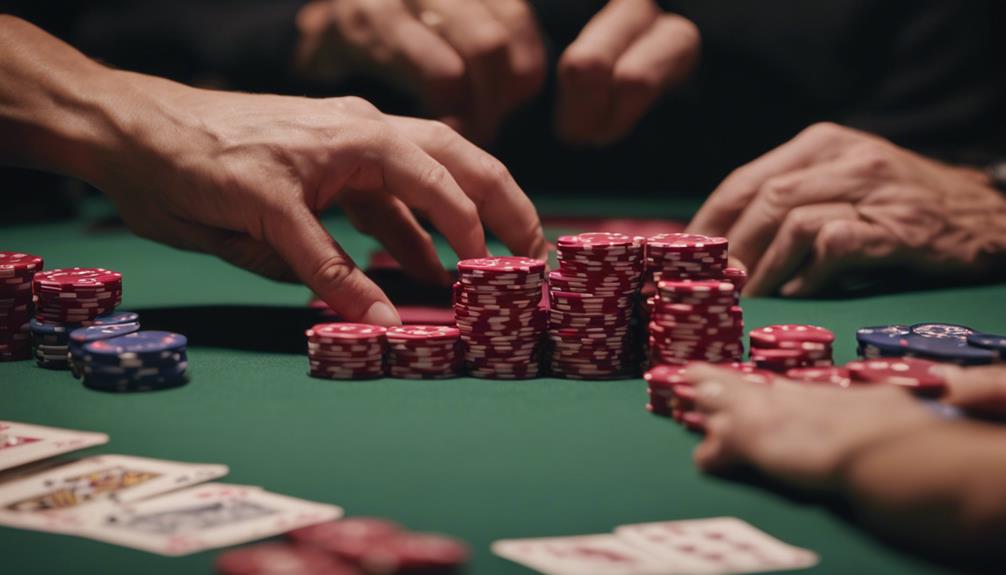
To master Pai Gow Poker, you must familiarize yourself with the different hand rankings used in the game. Understanding these rankings is vital as they determine the strength of your hands and influence your decisions throughout the game.
The highest possible hand in Pai Gow Poker is the five aces, which includes the four aces plus the joker. Following this are the standard poker hand values: the straight flush, four of a kind, full house, flush, straight, three of a kind, two pairs, one pair, and the high card. It’s important to remember that aces can be high or low in straights, which offers flexibility in hand formation.
Based on these rankings, your hand values are split into a high hand (five cards) and a low hand (two cards). According to the ranking guide, the high hand must always be stronger than the low hand. If you’re unsure how to rank your hands, most casinos provide a ranking guide, or you can ask the dealer for help.
Grasping these rankings will improve your overall gameplay, making you a more confident and strategic player. Remember, practice leads to perfection!
Strategies for Winning
Now that you’re familiar with hand rankings let’s explore effective strategies to increase your chances of winning at Pai Gow Poker. One vital aspect of your gameplay should include mastering table positioning. Being in the right position can allow you to observe your opponents’ actions and reactions, giving you an upper hand.
Psychological tactics also play a significant role. You’ve got to maintain a poker face and read the room. Notice how others are setting their hands and adjust your strategy accordingly. It’s not just about the cards you’re dealt but also how you play your opponents.
Here’s a simple table to help you strategize based on your position and the composition of your hand:
| Position | Strong Hand Strategy | Weak Hand Strategy |
|---|---|---|
| Early | Play aggressively | Secure your low hand |
| Middle | Adapt to gameplay | Balance your hands |
| Late | Observe and exploit | Take calculated risks |
Common Mistakes to Avoid

Many players make critical errors that can drastically reduce their chances of winning at Pai Gow Poker. One of the most overlooked aspects is table positioning. You might think it’s all about the cards, but where you sit can significantly influence your game strategy. Being in a position where you can observe the actions of most players before making your decisions can provide invaluable insights into how aggressive you should be with your hand.
Another frequent misstep is poor chip management. It’s tempting to bet aggressively to win big, but Pai Gow is a game of patience and strategy. You could be out of the game quickly if you’re not managing your chips wisely. Don’t let a few bad hands lead you to make risky, high-stake bets in an attempt to recover. Instead, make consistent, thoughtful bets that reflect your hand’s strength and the game’s overall context.
Lastly, always double-check that you’ve correctly set your high and low hands. Mis-setting your hand lessens your chances of winning and can be embarrassing. Avoid these pitfalls and significantly enhance your Pai Gow Poker experience.
Comparing Pai Gow With Other Poker Variants
Pai Gow Poker often stands out from other poker variants due to its unique use of a joker and its split-hand format. While you’re familiar with the fast-paced action of Texas Hold’em and the strategic depth of Omaha, Pai Gow Poker offers a slower, more invigorating gameplay style that can be a rejuvenating change. Its split-hand feature, where you must form two distinct hands, requires a different strategic approach, emphasizing balance and foresight.
Including a joker adds a unique twist, allowing it to act as a wild card to complete straights and flushes or serve as an ace. This spices up the game and increases the complexity of your decisions.
Here’s a quick comparison:
| Feature | Pai Gow Poker | Other Poker Variants |
|---|---|---|
| Number of Cards Used | 53 (including joker) | 52 |
| Hand Types | Two (5-card & 2-card) | One (5-card) |
| Pace | Slower | Faster |
Pai Gow’s popularity has surged partly due to its cultural influences, blending American poker elements with Chinese dominoes. This fusion has attracted a diverse player base looking for a mix of tradition and innovation in their gaming experience.
Importance of Banker Role
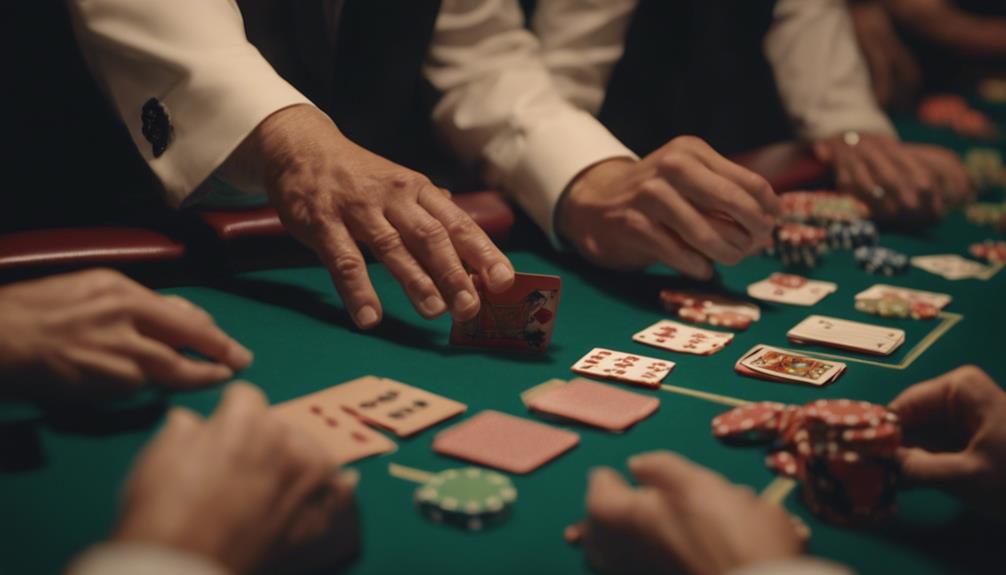
In Pai Gow Poker, the banker role significantly impacts the outcome of each game, shaping strategies and potential payouts. When you’re a banker, you’ve got some unique advantages. You’re playing against all other players at the table, increasing your chance of winning more hands. Yet, with great power comes great responsibility.
As the banker, you must be able to oversee all bets made during the round. This means you need a larger bankroll compared to other players. You’re also the last to act, showing how others set their hands before making strategic decisions. This edge can be significant because it provides insights into potential weaknesses in the opponent’s hands.
However, the banker’s responsibilities don’t stop there. You must also ensure the game follows the rules and runs smoothly. This includes managing the commission deductions properly, which is generally 5% of the winnings. Being the banker puts you in a pivotal position, enhancing your influence over the game’s flow and the financial outcomes.
Tips for First-Time Players
If you’re stepping into Pai Gow Poker for the first time, it’s important to understand the basic rules and strategies to enhance your playing experience. Familiarize yourself with how the game is played; you’ll be setting two hands—a five-card hand and a two-card hand—from the seven cards you’re dealt. The goal is to beat both of the dealer’s hands.
Observing proper table etiquette is vital. Always handle your cards with care and respect for the dealer and other players. It’s polite to keep your gameplay smooth and avoid unnecessary delays, as this keeps the game enjoyable for everyone.
When choosing casinos, consider those that offer Pai Gow Poker tables with the lowest commission—usually around 5%. Some places might even offer no-commission games, which can greatly increase your chances of winning. Additionally, look for casinos that provide beginner tables or sessions; these can offer a more relaxed atmosphere and a chance to learn with other new players.
Lastly, manage your bankroll wisely. Don’t rush your betting. Start small and increase your wagers as you become more comfortable with the game mechanics. Remember, Pai Gow Poker is often about enjoying the game and making your money last.
Advanced Betting Techniques

As you advance in Pai Gow Poker, mastering betting techniques can greatly enhance your chances of success. One critical aspect to examine is the ‘side bets analysis.’ Side bets, such as the Fortune Pai Gow, offer you a chance to hit big payouts based on your seven cards, regardless of how you set your hand against the dealer. However, it’s important to understand the house edge associated with these bets.
Progressive jackpots in Pai Gow Poker add another layer of excitement. These jackpots increase over time and can offer life-changing sums. To participate, you typically place a small side bet in addition to your main wager. Winning the progressive usually involves having a rare hand, like a seven-card straight flush.
Here’s a quick look at some strategies and their potential outcomes:
| Strategy | Expected Outcome | Risk Level |
|---|---|---|
| Conservative Play | Steady, smaller wins | Low |
| Aggressive Play | Higher variance in wins | High |
| Side Bets | Chance for large payouts | Medium-High |
| Progressive Jackpot | Possible huge jackpot | High |
| Balanced Approach | A mix of risk and rewards | Medium |
Conclusion
As you explore the world of Pai Gow Poker, remember it’s all about strategy and balance. Master the hand rankings, embrace the banker role wisely, and always monitor your bankroll.
Learn from each game to avoid common pitfalls, and don’t be afraid to compare tactics with other poker variants to refine your approach. With these tips and some practice, you’ll enhance your playing style and enjoy this unique blend of traditional and modern gaming.


