

Mastering Small Bet: A Strategic Guide for Poker Success
In the thrilling world of poker, players constantly strategize and make decisions that can make or break their game. One strategy that often flies under the radar but can be incredibly effective is small bets. When used strategically, small bets can be a powerful tool in your poker arsenal. In this article, we will explore the art of small bets in poker, when and how to use them, and the advantages they offer.
Why Small Bets Matter

Small bets, as the name suggests, are bets that are relatively modest in size compared to the pot. While they may not immediately seem like game-changers, they can significantly impact the outcome of a hand and your overall success at the poker table. Here are some compelling reasons why small bets matter:
Information Gathering
Small bets are an excellent way to gather information about your opponents’ hands. When you make a small bet, you encourage your opponents to reveal more about their holdings. Are they willing to call your small bet? Are they raising in response? These actions can provide valuable insights into their hand strength and overall strategy.
Pot Control
Small bets allow you to control the size of the pot. A small bet can keep the pot manageable if you have a decent hand but don’t want to commit too many chips. This is particularly useful to avoid a high-stakes confrontation with uncertain odds.
Building the Pot
On the flip side, small bets can also be used to build the pot when you have a strong hand. You encourage your opponents to call and contribute to the pot by making small, enticing bets. Once the pot has grown, you can capitalize on your strong hand and extract maximum value.
When to Use Small Bets

Using small bets effectively requires careful consideration of the game’s dynamics and your opponents’ tendencies. Here are some scenarios where small bets can be particularly advantageous:
Early Stages of a Tournament
In the early stages of a poker tournament, players often have deep stacks relative to the blinds and antes. Small bets can be employed to test the waters and gain information without risking a significant portion of your stack.
Against Tight Opponents
When facing tight, conservative players, small bets can effectively induce them to play more hands. These players are likelier to fold to larger bets, but they might call a small bet out of curiosity.
To Set Up Bluffs
Small bets can serve as a setup for future bluffs. By making a series of small bets, you can condition your opponents to expect modest wagers from you. Then, when you decide to execute a bluff with a larger bet, it may catch them off guard.
For Value Extraction
With a strong hand, using small bets can be a sneaky way to lure your opponents into the pot. By making your bets appear non-threatening, you encourage calls, and as the pot grows, you can extract more value from your opponents.
Advantages of Small Bets

Small bets offer several distinct advantages that can enhance your poker strategy. Let’s delve deeper into these advantages:
Risk Management
One of the primary benefits of small bets is that they allow you to manage your risk effectively. Unlike larger bets that can put a substantial portion of your stack on the line, small bets enable you to control your chips and minimize potential losses.
Balanced Strategy
In poker, it’s essential to keep your opponents guessing. You create a more balanced strategy by incorporating small bets into your repertoire. Your opponents won’t be able to easily categorize your bets as either strong or weak, making it harder for them to exploit your playing style.
Conservation of Chips
In poker tournaments, preserving your stack is crucial for long-term success. Small bets allow you to stay in the game without risking a significant portion of your chips. This conservative approach can pay off as you advance through the tournament.
Adaptability
The ability to adjust your betting size based on the situation is a hallmark of a skilled poker player. Small bets provide flexibility in your betting strategy, allowing you to adapt to changing dynamics at the table.
Advanced Small Bet Techniques
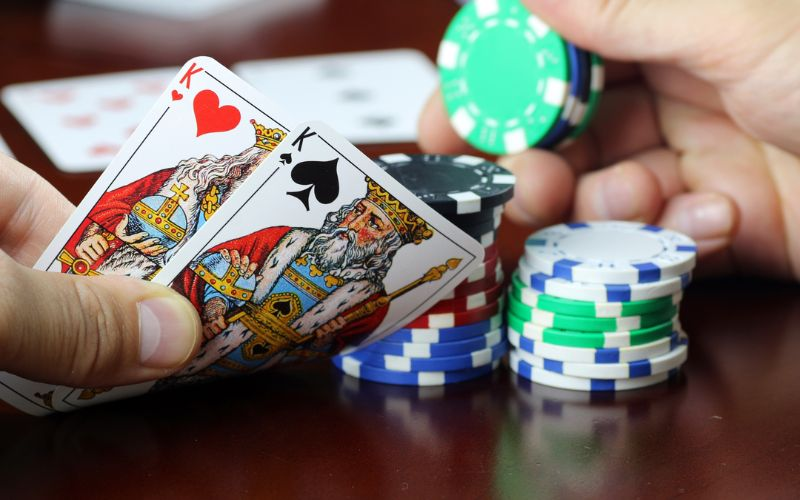
Now that we’ve explored the fundamentals of small bets in poker, it’s time to delve into some advanced techniques and considerations to take your small bet strategy to the next level.
The Delayed Small Bet
Sometimes, delaying your small bet until a later street is advantageous. For example, you might check the flop to your opponent and then make a small bet on the turn. This tactic can confuse your opponent, making them wonder why you’ve suddenly become interested in the hand. It’s essential to use this strategy selectively, typically when you believe your opponent may have a weaker hand but is willing to call a small bet.
The Probe Bet
The probe bet is used when you’re out of position, and your opponent checks to you on a later street. Instead of checking back or making a standard bet, you can use a small probe bet to gather information or steal the pot. This bet can put pressure on your opponent, making them question the strength of their hand.
The Overbet Follow-Up
Small bets can set the stage for larger overbets on future streets. If you’ve consistently made small bets throughout a hand, your opponents may become conditioned to expect more of the same. When you have a strong hand, consider following up with an unexpectedly large bet. This can catch your opponents off guard and lead to bigger payouts.
Bluffing with Small Bets
While small bets are often associated with value betting, they can also be a valuable tool for bluffing. When you’re bluffing, a small bet can give the illusion of value and make it difficult for your opponents to call. However, be cautious when bluffing with small bets, as savvy opponents may catch on to your strategy if you overuse it.
Mixing Up Your Betting Patterns
Variety is crucial in poker. To keep your opponents guessing, mix up your betting patterns. Alternate between small bets, medium-sized bets, and larger bets. This keeps your opponents off balance, making it harder for them to predict your hand and intentions.
Conclusion
Small bets may appear inconspicuous, but they are valuable in the poker player’s toolkit. They provide insights, help manage risk, and create opportunities for value extraction. When used judiciously and in the right situations, small bets can be the difference between a successful and disappointing poker session. Remember that poker is a game of skill, strategy, and psychology, and mastering the art of small bets can give you a significant edge over your opponents. So, the next time you’re at the poker table, don’t underestimate the power of the small bet—it might just be your ticket to victory.


