

How to Play Small Pocket Pairs: Mastering the Art
Pocket pairs, regardless of rank, are coveted by many poker players. After all, statistically, you only can expect to get them once in every seventeen deals. That being said, when misplayed, they can become real chip burners.
The most critical element of playing small pocket pairs is position. Let’s define small pocket pairs as pocket sevens or lower and poor position from under the gun to the middle position. So, even though any pair can look good… these small pocket pairs must be approached cautiously, which normally needs improvement to prevail in a showdown.
Conditions for Playing Small Pairs
Several positive outcomes must enable your small pocket pairs to prevail. These outcomes include:
- Having enough opponents to supply the correct pot odds.
- Being able to join a limp fest versus being raised.
- Hitting your set and then having it hold up.
That is a lot of good fortune all on one hand. The main problem is that all of these elements rarely fall into place. With the need for this kind of parlay of events, we should look at the necessary details individually.
Position
Coming in late with small pocket pairs is a time-honored tradition in hold’em. However, joining up in an early position necessitates the above criteria to fall into place. Displaying these small pairs from an earlier work can be a major leak in one’s Game. Since small teams need assistance to win, discipline becomes a major component of playing them well.
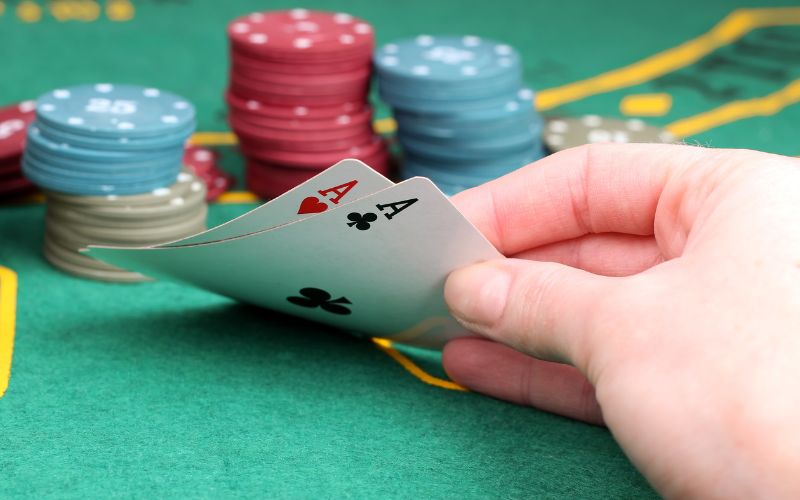
You will probably need to muck these hands if you do not make your set on the flop. Playing with a board full of overcards and hoping to hit your location on the turn or river is usually a good way to lose money. This approach is also a time-honored tradition… among weaker poker players!
The texture of the Game
If you find yourself in a weak/passive game where pre-flop raising is rare, you can move your entry position earlier since you expect to receive good pot odds. These types of games used to be easier to find. As the hold’em playing public collectively honed their skills, they became more aggressive. That being said, there are still many weak and passive opponents, so keep your eyes peeled. A soft/passive game is the perfect environment to enact a popular strategy called set mining which we will discuss next.

Set Mining
Set mining is popular due to the high implied odds of no-limit hold’em offers. The process of entering the fray with a small pair with the express hope of hitting a set on the flop embraces the risk/reward ratio of… for one bet; I might obtain a monster and win a huge pot. While this can happen, one must approach it with caution and knowledge about the game environment, opponent stack sizes, and opponent playing tendencies.
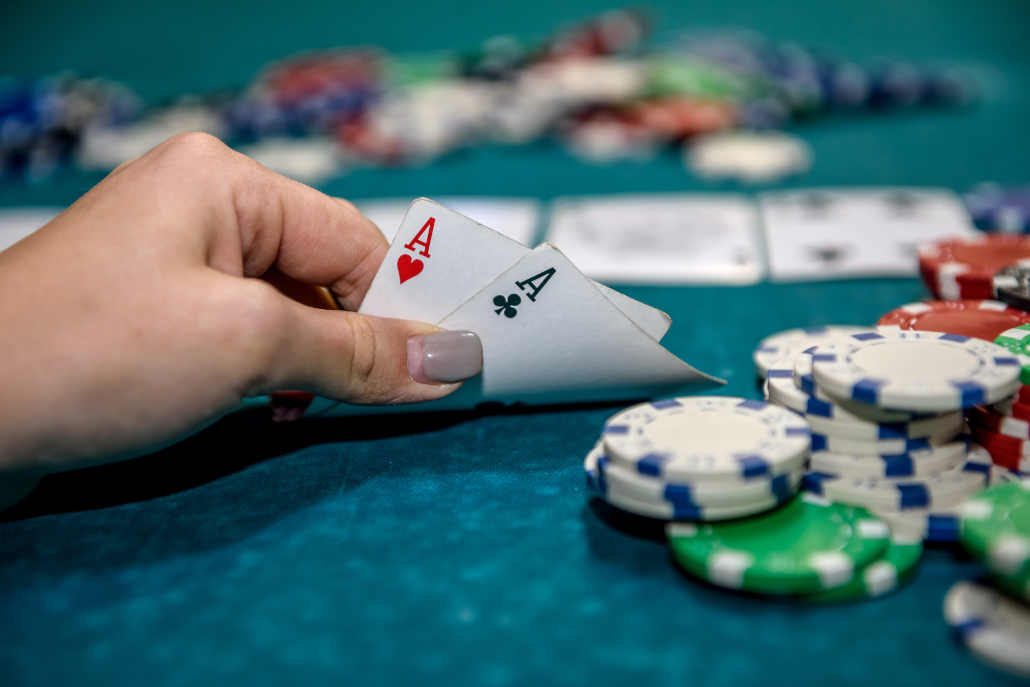
The environment should be passive so you can be comfortable that you will not be raised; opponent stack sizes should be large enough to make the risk worth the potential reward; and knowing your opponents’ playing tendencies should help guide you as to how to play your set if you’re fortunate enough to hit it.
Discipline
Exercising discipline cannot be stressed enough. More money is lost in poker when a well-calculated plan goes amiss, and the player does not possess the field to abandon the project and muck a losing hand. If you hope to turn a small pocket pair into a winning hand and do not hit your set, then face reality and, if you bet, have the strength to fold your apparent loser and wait for the next deal.
Getting Paid When You Hit
Remember, you will not be the only poker player observing opponent behavior. Some of your foes will be watching you. When you do limp in with a small pair and the flop contains three rags, including a card to make your set, don’t chase away your customers by creating a too-large bet. Your more observant opponents will realize you just limped in and probably hit a small group and be able to get away from their hands.
Having hit a set and not even gaining one additional chip can be frustrating. Knowing your opponents’ playing styles is very important to maximize your earning power. Calling stations that have difficulty folding are your best customers.
Conclusion
While playing small pocket pairs can be rewarding, remember that many positive elements must fall into place and that parlay of events is uncommon. Unless you have a spot-on read of your table being extremely passive, giving you solid pot odds to attempt to hit your set, folding small pocket pairs in an early position must be considered. When you can regularly muck those small pairs from earlier work, if the conditions warrant, you will know your Game has advanced in sophistication.
Related Lessons
- How to Play Medium Pairs
- Starting Hand Selection in Hold ‘em
- Implied Odds and Poker
- Poker and Pot Odds


