

Unveiling the Strategies: Mastering Stud High-Low in Poker
When it comes to poker, mastering the various variants is essential for any serious player. One such variant that adds an extra layer of complexity and excitement to the game is Stud High-Low. In this comprehensive guide, we’ll delve into the intricacies of Stud High-Low, exploring strategies, rules, and tips to help you become a formidable force at the poker table.
Understanding Stud High-Low
Stud High-Low, also known as Seven-Card Stud Hi-Lo, is a split-pot poker game where the pot is divided between the best high hand and the best low hand. This unique combination of high and low hands introduces a strategic element that differs significantly from traditional poker games.
The Basics of Stud High-Low
In Stud High-Low, each player is dealt seven cards throughout the hand, but only the best five-card hand for both high and low counts. The high hand follows standard poker hand rankings, while the low hand is determined by the lowest five cards, with an 8 or better required to qualify.
Strategies for Success

Mastering Stud High-Low requires a deep understanding of high and low-hand strategies. Let’s explore some key strategies to enhance your gameplay.
Starting Hand Selection
In Stud High-Low, starting with a strong hand is crucial. Aim for hands that can win high and low pots, providing flexibility as the community cards are revealed. Strong starting hands include three low cards of suits with values 8 or below.
Reading Opponents
Observing your opponents is vital in Stud High-Low. Look for signs of their tendencies, especially when chasing either the high or low end of the pot. Adjust your strategy accordingly and capitalize on their weaknesses.
Adaptability in Betting Rounds
Stud High-Low involves multiple betting rounds, requiring adaptability. Consider your opponents’ actions and the community cards when deciding to bet, raise, or fold. Being flexible in your approach can give you a significant edge.
Playing for Scoops
Scooping the entire pot (both high and low) is the ultimate goal. To achieve this, focus on developing a strong high hand while aiming for a qualifying low hand. Balancing these objectives will maximize your chances of scooping the pot.
Hand Rankings in Stud High-Low
Understanding the hand rankings is fundamental to success in Stud High-Low. Below is a table outlining the hierarchy of hands for both high and low.
| High Hand Rankings | Low Hand Rankings |
|---|---|
| Royal Flush | 5-4-3-2-A |
| Straight Flush | 6-4-3-2-A |
| Four of a Kind | 6-5-4-3-2 |
| Full House | 7-5-4-3-2 |
| Flush | 7-6-4-3-2 |
| Straight | 8-6-4-3-2 |
| Three-of-a-Kind | 8-7-6-5-4 |
| Two Pair | 8-7-6-5-3 |
| One Pair | 8-7-6-5-4 |
| High Card | 8-7-6-5-4 |
Stud High-Low Rules
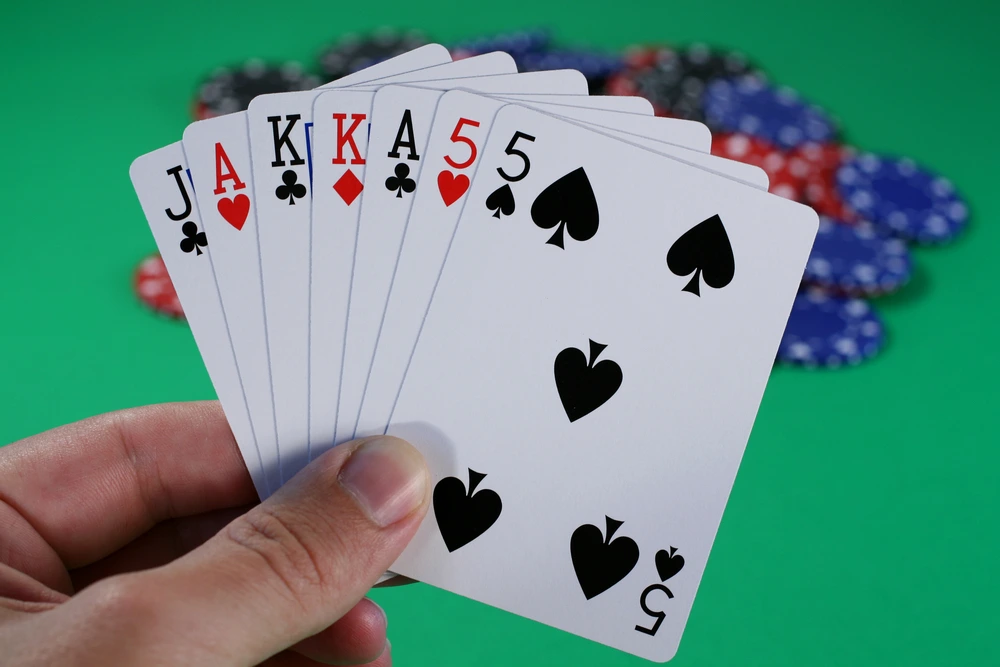
In Stud High-Low, players aim to form the best high and low hands from seven dealt cards. The high hand follows traditional poker rankings, while the low hand requires cards with values of 8 or below. The pot is split between the best high and low hands, creating an engaging and strategic gaming experience.
Dealing the Seven Cards
Stud High-Low kicks off with each player receiving seven cards throughout the hand. The twist? Only the best five-card hand for both high and low counts. Brace yourself for a riveting journey as the community cards unfold.
Crafting the High Hand
Standard poker hand rankings come into play when determining the best high hand. From a Royal Flush to a High Card, the familiar hierarchy adds a touch of tradition to the exhilarating blend of Stud High-Low.
Cracking the Low Hand Code
For the low hand, it’s a different ball game. A combination of five unpaired cards with values 8 or below is the key to success. Imagine the thrill of chasing the lowest possible hand, creating a strategic dance that keeps players on their toes.
Practical Tips for Stud High-Low Enthusiasts
To excel in Stud High-Low, practice patience, observe table dynamics, and manage your bankroll wisely. Avoid chasing unlikely hands, adapt to your opponent’s playing styles, and consistently refine your skills through regular practice sessions.
The Importance of Patience
Patience is a virtue in Stud High-Low. Given the slow revelation of cards and the multiple betting rounds, it’s crucial to remain patient and wait for favorable situations. Avoid the temptation to chase hands unlikely to materialize into winning combinations.
Observing Table Dynamics
Paying attention to table dynamics is an often-overlooked aspect of Stud High-Low’s strategy. Remember how your opponents interact, identify the tight and loose players, and adjust your strategy accordingly. Understanding the psychological aspects of the game can give you a significant edge.
Bankroll Management
Effective bankroll management is vital for any poker player, and Stud High-Low is no exception. Set clear limits on the amount you’re willing to wager and avoid chasing losses. A disciplined approach to your bankroll ensures you can withstand fluctuations and play with a clear mind.
Practice Makes Perfect
Stud High-Low’s unique dynamics requires practice too. Take advantage of online poker platforms and home games to hone your skills. The more you play, the better you’ll become at reading opponents, calculating odds, and making strategic decisions.
Common Pitfalls to Avoid
Neglecting the Low Hand
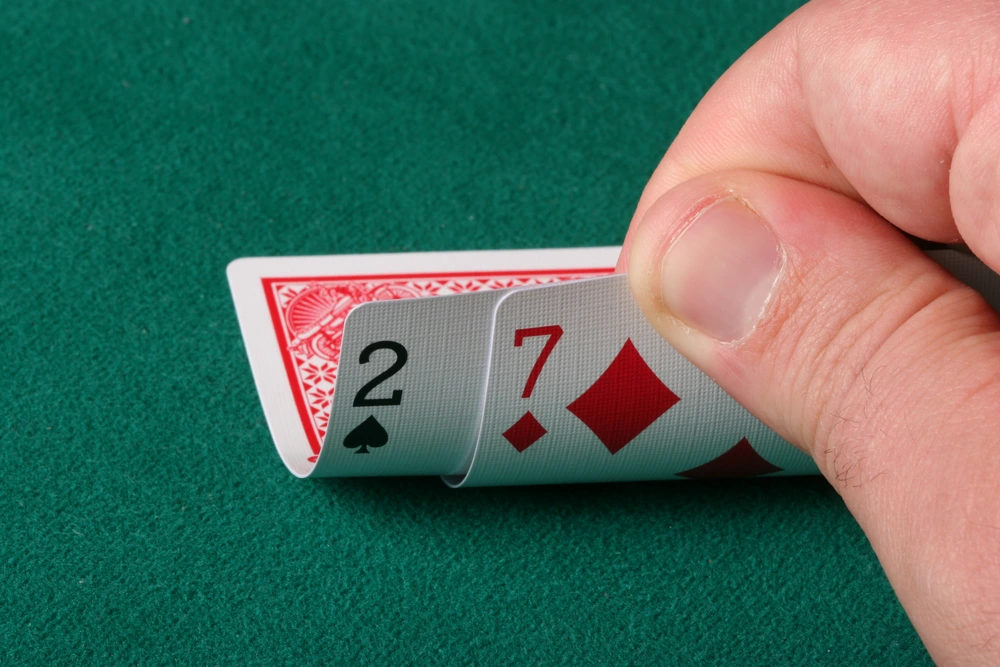
One common mistake is neglecting the low hand to pursue a strong high hand. Remember that Stud High-Low is a split-pot game; neglecting the low hand can lead to missed opportunities. Always assess the potential for both high and low hands in each hand.
Overvaluing High Pairs Early
While high pairs are valuable in the right context, overvaluing them early in Stud High-Low can be a pitfall. Consider the community cards and your opponent’s actions before committing significant chips to a high pair. Early aggression may not always be the best strategy.
Failing to Adapt
Stud High-Low is a dynamic game, and rigid strategies can lead to failure. Failing to adapt to changing circumstances, opponents’ tendencies, or the game’s overall flow can result in missed opportunities and lost chips. Stay flexible and adjust your approach as needed.
Tables and Statistics
Understanding the probabilities in Stud High-Low is crucial for making informed decisions. Let’s look at a table that showcases the likelihood of specific low-hand combinations based on the community cards and your hole cards.
| Community Cards/Player’s Hand | 3 Low Cards | 4 Low Cards | 5 Low Cards |
|---|---|---|---|
| 3 Unpaired Low Community Cards | 12% | 4% | 0.1% |
| 2 Unpaired Low Community Cards | 20% | 7% | 0.3% |
| 1 Unpaired Low Community Card | 28% | 11% | 0.6% |
| No Unpaired Low Community Cards | 42% | 19% | 1.5% |


