

Mastering Poker: Navigating Opportunity Costs at the Table
In the study of behavioral finance, there’s a concept known as opportunity cost. The official definition goes like this: It’s the value of the option you must give up when choosing between two mutually exclusive alternatives. It’s the price of the road not taken.
If you buy a stock, the opportunity cost is the profit that could have been made if you had invested that money in something else. If you sell a stock, your opportunity cost is the chance to sell that stock at a higher price later. Virtually every decision you make in every walk of life carries some opportunity cost, and nowhere is this more true than in a poker game.
The Poker Dilemma: Opportunity Costs at the Table
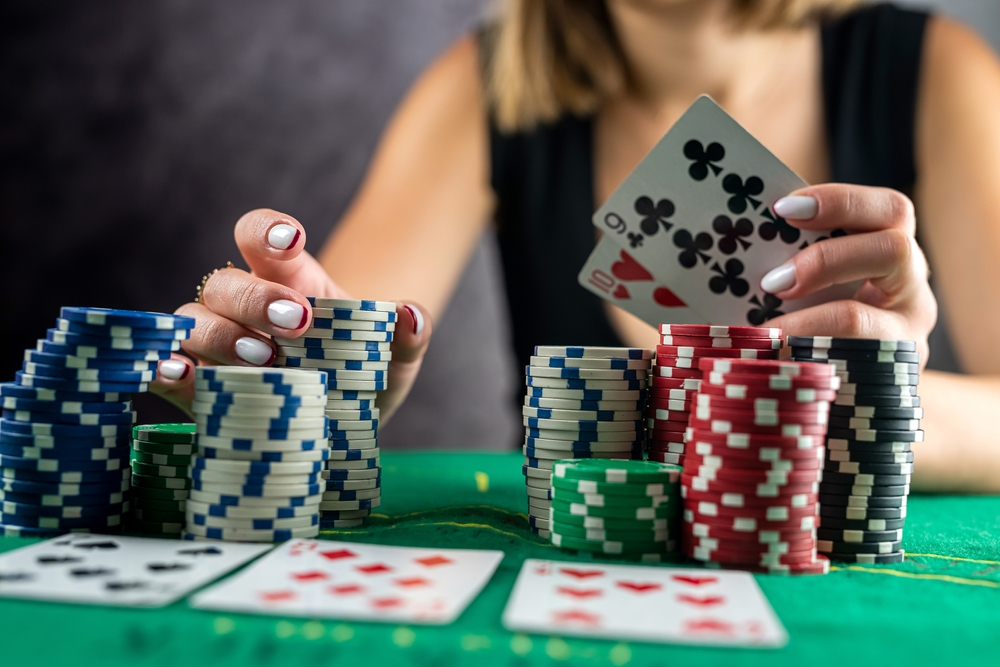
From the moment you sit down to play poker, you are faced with a series of decisions; some of these are difficult, and some are so easy you could practically make them in your sleep, but everyone has an opportunity cost. You are starting with your decision to play at all. The time you devote to playing poker could be spent doing something else, such as putting in more hours at your job, where you might have earned more money than you make at poker. Or the time could be spent acquiring new knowledge and skills that could pay off in a big way later, career-wise and finance-wise.
Non-Monetary Opportunity Costs in Poker
But opportunity costs are not merely gauged in terms of dollars and cents. The time you spend in a card room or staring at virtual poker tables on a computer screen is time that you could have spent with your family and friends. That also represents a kind of opportunity cost. Alternatively, suppose you should decide to quit playing poker in favor of focusing more on your job or spending more time with your family. In that case, the opportunity cost becomes the enjoyment and mental stimulation you would have gotten from poker and – if you’re skilled at poker – the money you would have earned.
The Uncertainty of Opportunity Costs
Opportunity costs are typically related to future outcomes, which can never be fully known – if they weren’t, the choice would always be easy. Because opportunity costs consider personal enjoyment and fulfillment, they are virtually impossible to calculate with real precision. Nevertheless, opportunity costs are a very real and important factor to consider when facing a difficult choice. And few things in this world will present you with a greater quantity and quality of challenging decisions than playing a game of poker.
The Fundamental Poker Decision: Call or Fold
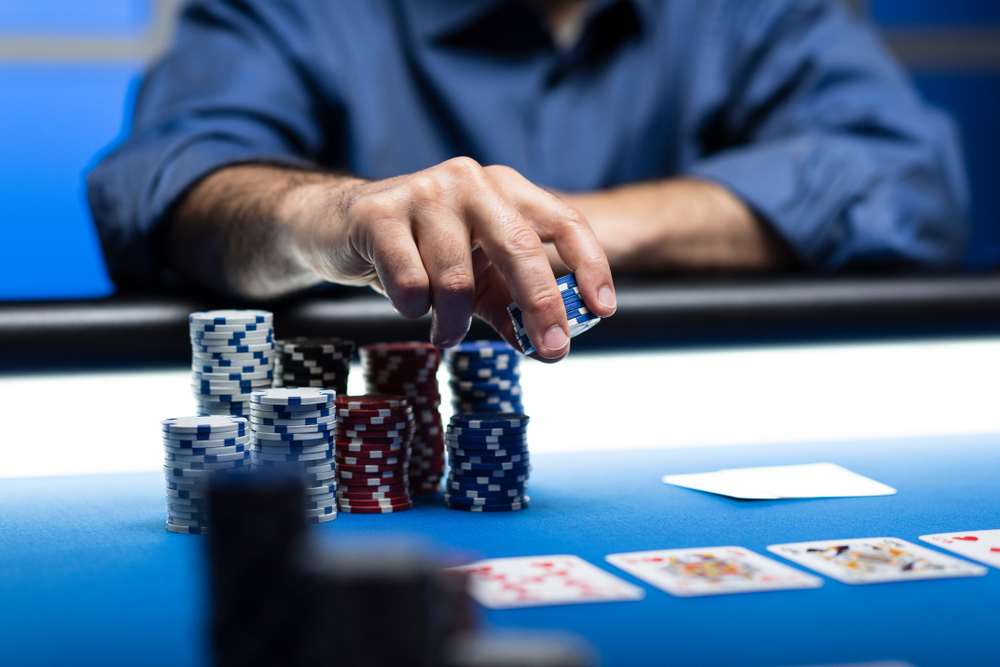
The most common and elementary decision in poker is whether to call or fold at the start of the hand. The decision to fold isn’t excruciating if you have something like 8-3 offsite. When you get a premium hand, the decision is not to call or fold but to call or raise, so for the sake of this discussion, let’s say you have a borderline-type hand. Call, and the opportunity cost is the money you would have saved by folding. If you go on to win the pot, the opportunity cost is nonexistent. If you whiff and fold on the flop, it’s only one small bet. But catch enough of the failure to make an expensive second-best hand, and the opportunity cost swells to painful proportions. If you get irritated with yourself for making that expensive call, so much so that you start tilting even a little, the opportunity cost inflates even more. And if you’re playing in a major poker tournament and that one semi-loose call ends up leaving you short of money, the opportunity cost is out of this world.
Evaluating Opportunity Cost in Poker Decisions
When you fold, opportunity cost becomes a factor if it turns out that you would have won had you called. This is not to say you should play results-oriented poker; far from it. But if you’re one of those poker players who kicks himself for not being psychic and knowing when the flop/turn/river would have hit your hand, that becomes an opportunity cost of folding. Or in any important poker decision, for that matter – if making what turns out to be the “wrong” choice will tilt you, that’s a kind of opportunity cost as well.
Navigating Complex Poker Decisions with Opportunity Costs
The tougher the decision you face, the more important it becomes to consider the opportunity cost. For example, if you’re playing in an NL tournament, a sit-n-go. Four players are left on the bubble, and you’re third in chips. Your remaining opponents are all reasonably solid players. Preflop, you’re in the big blind with A-K offsuit; UTG folds, then the next player, the short stack, raises (not enough that he’s pot-committed), and the button responds by shoving all in. You’re convinced the short stack will fold if you make the call, but he might call for all his chips if you get out of the way. The button is an aggressive player, and you don’t think he has aces or kings, which means you’re probably either racing or have him dominated if you call.
Balancing Risk and Reward: Opportunity Cost in Tournament Play

Say you fold, hoping the button will take out the short stack, thus putting you into the money. Here, your opportunity cost is the chance to double up (plus the dead chips from the short stack) at a critical point in the tourney, allowing you to virtually coast into the money and have a much better shot at winning the whole thing. On the other hand, if you call and the short stack does indeed fold, your opportunity cost is the chance to have one of your opponents get eliminated right now, ensuring that you’ll make a profit in this tournament.
Leveraging Opportunity Cost in Poker Strategy
There are other variables here that will influence your decision. Is your main priority to squeak in the money or win the tournament? Do you believe the short stack holds an ace or a king, thus taking away one of your outs? Then, there are the fine points of the situation: precise playing styles, stack sizes, etc.
The Value of Opportunity Cost in Poker
The concept of opportunity costs can be enormously beneficial for poker players because it encourages us to think through the value of each option as we ponder all those tough decisions that await us at the poker table; whether to play a strong hand fast or go for the slow play. Whether to bluff-raise now or float until the next round. Whether to call all in for your tournament life or fold and wait for a better spot. Because the true cost of any choice lies in what you had to give up to make it.”


