

Understanding the Poker Flop: A Crucial Moment in the Game
Regarding poker, several critical moments can make or break a player’s strategy. One such moment is the “poker flop.” In this article, we’ll delve deep into the concept of the poker flop, its significance in various poker variants, and how you can use it to your advantage. Whether you’re a beginner looking to learn the ropes or an experienced player aiming to sharpen your skills, understanding the poker flop is essential.
What is the Poker Flop?
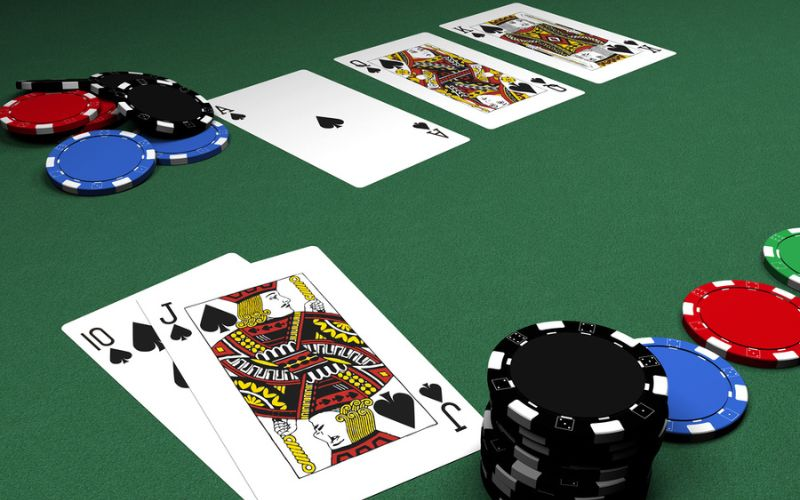
Poker flop is commonly used in community card poker games like Texas Hold’em and Omaha. It refers to the game’s second phase, following each player’s initial deal of hole cards. During the flop, the dealer reveals three community cards in the center of the table, face-up, for all players to use in combination with their hole cards.
The Flop’s Anatomy
To better understand the poker flop, let’s break it down into its key components:
Community Cards
The three cards revealed during the flop are community cards, which means all players at the table share them. These cards are placed face-up in the center of the table and can be used with each player’s two-hole cards to form the best possible hand.
Betting Round
Following the flop, a new round of betting occurs. Players can check, bet, raise, or fold based on their hand’s strength and strategy. The betting round begins with the player to the dealer’s left and continues clockwise.
Strategic Decisions
The decisions made during the flop can significantly impact the game’s outcome. Players must assess their hand’s potential, consider the community cards, and anticipate their opponent’s moves. This strategic element makes the poker flop such a crucial aspect of the game.
Significance of the Poker Flop
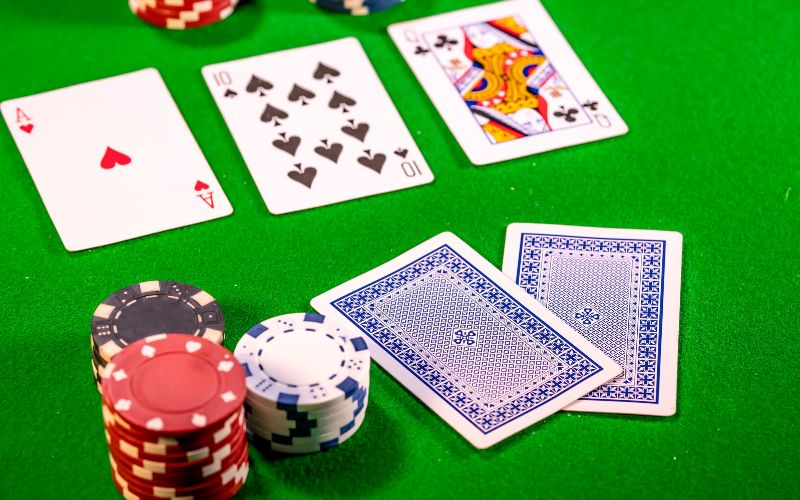
The poker flop serves several important purposes within the game, making it a pivotal moment that can alter the course of play. Let’s explore its significance in greater detail:
Hand Improvement
The flop offers a chance for hand improvement for players who didn’t receive strong hole cards. The three community cards can complement their hole cards, potentially turning a weak hand into a winning one. Understanding the odds of improving your hand on the flop is vital in poker strategy.
Bluffing Opportunities
The flop also provides opportunities for strategic bluffing. Players can represent strong hands by betting aggressively, even if their hand is weak. Bluffing during the flop requires a keen understanding of your opponent’s tendencies and the ability to read their reactions.
Gathering Information
Players gain valuable information about their opponent’s possible hands as the first set of community cards is revealed during the flop. Observing how others react to the flop can help you gauge the strength of their holdings and adjust your strategy accordingly.
Shaping Betting Patterns
The betting patterns that emerge during the flop can influence the rest of the hand. Players must decide whether to continue betting, check, or fold based on their assessment of the flop. Skilled players can use their betting choices during this phase to manipulate their opponents’ actions in subsequent rounds.
Poker Flop in Different Variants
While the poker flop is common in Texas Hold’em, it varies slightly in different poker variants. Let’s examine how it plays out in two popular games: Texas Hold’em and Omaha.
Texas Hold’em
Each player receives two hole cards in Texas Hold ’em; the flop consists of three community cards. The goal is to create the best possible five-card hand by combining your hole cards with the community cards. The betting rounds following the flop are crucial, as they set the stage for the turn and river cards.
Omaha
Omaha is similar to Texas Hold’em but with a significant twist. In Omaha, players receive four-hole cards instead of two. However, they must use exactly two of their hole cards in combination with three of the five community cards (the flop and the subsequent turn and river) to form their hand. This makes the flop even more critical in Omaha, as players have more options and potential combinations to consider.
Tips for Mastering the Poker Flop
Now that you understand the importance of the poker flop let’s explore some tips to help you master this crucial phase of the game:
Hand Selection
Before the flop, focus on selecting strong starting hands. This will increase your chances of having a competitive hand after the flop. Experienced players know when to fold weak hands and wait for better opportunities.
Position Matters
Your position at the table can significantly impact your strategy during the flop. Players in late positions can see how their opponents act before making decisions. Use your position to your advantage and adapt your strategy accordingly.
Observation Skills
Pay close attention to your opponents’ reactions and betting patterns during the flop. Look for signs of weakness, strength, or uncertainty. This information can help you make more informed decisions throughout the hand.
Pot Odds
Calculate the pot odds to determine whether it’s worth continuing with a hand after the flop. Consider the pot size, the cost of your bet, and the odds of improving your hand on the turn and river. Making mathematically sound decisions can be a game-changer.
Mix Up Your Play
Avoid becoming predictable by mixing up your betting and bluffing strategies during the flop. If your opponents can’t easily read your actions, you’ll maintain an edge at the table.
Conclusion
Mastering the poker flop is a journey that takes time, dedication, and a continuous desire to learn. Advanced players don’t just rely on luck; they use their skills, experience, and knowledge to gain an edge over their opponents. Whether aspiring to become a professional poker player or simply aiming to improve your recreational game, remember that practice and perseverance are key.
As your poker journey progresses, you’ll discover even more advanced concepts and strategies beyond what’s discussed here. Embrace the challenge, study the game, and continue honing your skills. Poker is a fascinating and ever-evolving card game, and the poker flop is just one piece of the intricate puzzle that makes it so captivating. Enjoy the journey and the thrill of the game!


