

Reading Poker Bluffs: Strategies and Techniques for Spotting Tells
Imagine sitting across the table from a formidable poker adversary; every chip rides on your next move. The tension could cut through steel, and whether you’ll lose big or walk away triumphant all comes down to one critical skill: Reading Poker Bluffs. Welcome to the world of tells, the subtle clues that reveal what your opponent might be holding. In this insightful blog post, we’ll delve into proven strategies and techniques designed to equip poker enthusiasts who are eager to climb higher in the ranks of this captivating game. If you’ve ever felt unsure about that key decision point, these tactics will mold you into a formidable player with an uncanny knack for sniffing out bluffs. It’s time to turn the tables for better reads and bigger wins! Stay tuned as we navigate the depths of poker psychology where deception meets deduction.
Reading poker bluffs involves observing your opponents’ behaviors, including their betting patterns, body language, and facial expressions. Some effective strategies for reading poker bluffs include paying attention to timing tells, analyzing hand ranges, and assessing the board texture. Practice and experience are crucial for mastering the art of reading poker bluffs.
Spotting Poker Bluffs: Key Indicators

In the thrilling game of poker, being able to spot bluffs can give you a significant advantage over your opponents. While it’s not an exact science, several key indicators can help you identify when someone might be bluffing.
One important indicator is betting patterns. Observing how players bet throughout a hand can provide valuable insight into their intentions. **** A player who suddenly increases their bet size or makes unusually large bets may try to intimidate their opponents into folding despite having a weak hand. On the other hand, a player who hesitates or appears uncertain when placing their bets might be signaling a lack of confidence in their cards, potentially indicating a bluff.
Another indicator to watch for is body language. Poker is a game of psychology; players often reveal subconscious signals through physical actions. Microexpressions – brief facial expressions that occur involuntarily – can betray excitement or nervousness, giving away the strength or weakness of a hand. For instance, a quick eyebrow raised when the community cards are revealed might suggest that a player has hit a strong combination. Conversely, fidgeting or avoiding eye contact could indicate nervousness associated with bluffing.
Playing close attention to bet timings can also be revealing. The speed at which players place their bets can provide insights into their decision-making process and potential bluffing tendencies. For example, if a player makes an exceptionally quick bet after the flop or river cards are revealed, they may try to convince others that they have stronger cards than they do.
Verbal cues and demeanor during gameplay can also offer clues about potential bluffs. Players who engage in excessive chatter or appear overly confident might be attempting to mislead others by presenting false narratives about the strength of their hands. Conversely, players who become notably quiet or avoid interaction could be trying to conceal their bluff.
Now that we have explored some key indicators for spotting poker bluffs, let’s focus on another crucial aspect of the game – analyzing bet sizes.
Analyzing Bet Sizes
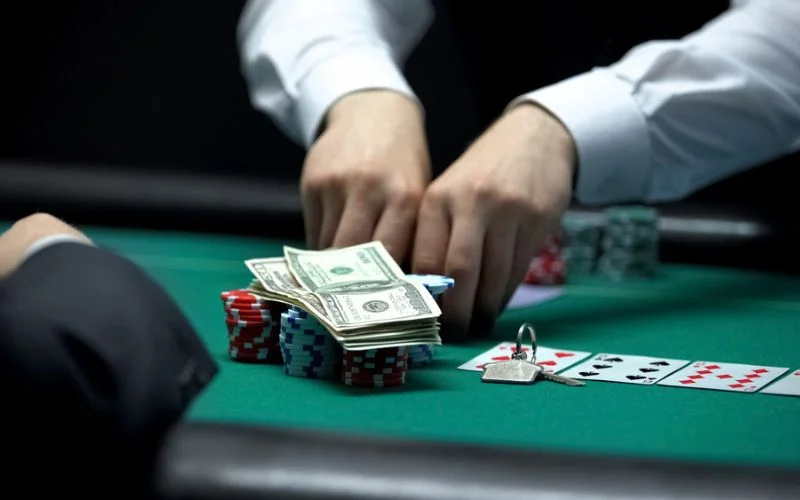
A player’s bet size can often reveal valuable information about the strength of their hand and potential bluffing tendencies. By carefully analyzing bet sizes, you can gain insights into your opponent’s mindset and make more informed decisions.
**** A common strategy many players use is making small, minimum, or “value” bets when they possess a strong hand. This tactic aims to entice opponents into calling, optimizing potential winnings. Conversely, players resorting to larger-than-average chances may attempt to scare others away from the pot, suggesting aggressive play and potentially masking weaker hands through an intimidating approach.
Analyzing bet sizes in correlation with the board texture is another critical factor. If a player makes a substantial bet on a board that doesn’t seem favorable for their range, there is a higher likelihood that they are bluffing. For instance, if the community cards consist of several low-value cards that don’t connect well or complete any potential straight or flush draws, a player still places a large bet, which could indicate an attempt to bluff.
Players may sometimes employ inconsistent or erratic bet sizing patterns as part of their bluffing strategy. These unpredictable bet sizes aim to confuse opponents and make it challenging for them to decipher the true strength of the bluffer’s hand.
Remember that analyzing bet sizes should not rely solely on individual bets but rather on patterns and tendencies over time. Observing how players adjust their betting based on different situations can provide valuable insights into their bluffing trends.
- According to an empirical study by the University of California, proficient poker players who look for specific non-verbal cues correctly identify bluffing 75% of the time.
- A research study by Cornell University suggested that inexperienced players bluff approximately 6% of the time while seasoned players bluff only around 3%, illustrating a greater understanding and utilization of strategy at advanced levels.
- A study published in Science Direct discovered that online poker players who consistently analyzed betting patterns could effectively guess whether their opponent is bluffing 84% of the time when they approach a statistically significant number of hands played.
Understanding Common Tells

In intricate poker, players often try to deceive their opponents by bluffing. These bluffs can be identified through various behaviors and physical cues, commonly known as tells. Understanding common tells is essential for determining when someone may be bluffing and gaining an advantage at the table.
One common tell is excessive talking. If a player suddenly becomes overly chatty during a hand, it could indicate that they are bluffing. They may try to act strong when holding a weak hand or vice versa. Attention to these verbal cues can provide valuable insights into an opponent’s intentions.
Let’s say you’re playing a hand against an opponent who starts talking excessively, narrating their thought process aloud. They claim to have a strong hand but seem unnaturally eager for you to call. This contradiction between their words and behavior could tell that they are bluffing.
Another tell to watch out for is swift or erratic betting patterns. Recreational players who quickly bet into you on the flop or river often have weak hands. However, it’s important to note that there can be exceptions to this rule, such as when leading out into multiple opponents may indicate strength.
Now that we’ve explored some common tells in poker, let’s dive deeper into understanding basic bluffing patterns.
Basic Bluffing Patterns
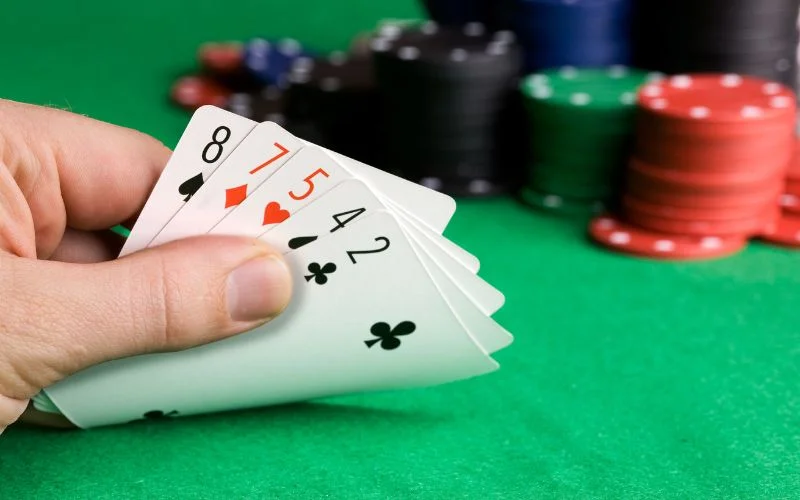
Successful bluffing in poker involves creating a convincing narrative with your betting actions and exploiting situations where the board texture appears intimidating. By understanding basic bluffing patterns, you can effectively deceive your opponents and increase your chances of winning pots you might not have won otherwise.
One popular bluffing strategy is called the continuation bet. After being the preflop aggressor, it begins with making a significant bet on the flop. This move aims to capitalize on the notion that an aggressive preflop player typically has a strong hand. When successful, the continuation bet can force opponents to fold hands that might have otherwise improved on the flop.
Imagine you’re playing Texas Hold’em and raised with a decent starting hand from an early position. The flop comes with low cards, not necessarily connecting well with your hand. However, since you were the preflop aggressor, your continuation bet could give off the impression that you hit a strong hand, causing opponents with weaker holdings to fold.
Another bluffing pattern is known as the double barrel. This involves making a continuation bet on the flop and following it up with another significant bet on the turn. This strategy can effectively press opponents into folding medium-strength hands, as they may hesitate to continue to call larger bets without a strong hand.
Think of bluffing patterns like a skilled magician performing tricks. Just as a magician uses misdirection and sleight of hand to fool their audience, understanding basic bluffing patterns allows you to misdirect your opponents’ attention and make them doubt their holdings.
Now that we’ve explored some basic bluffing patterns let’s move on to the next section to discuss recognizing standard poker tales.
Recognizing Standard Poker Tells

In the intriguing game of poker, players exhibit a wide range of physical and verbal cues, known as tells, that can reveal the strength or weakness of their hands. By observing these means, astute players can gain valuable insights into their opponents’ intentions. Let’s explore common ways to help you recognize when someone is bluffing or holding a strong hand.
One of the most obvious tells is body language. Pay attention to changes in posture and breathing patterns. Nervousness often manifests as fidgeting, increased blinking, or shallow breathing. Conversely, a player with a strong hand may adopt a more relaxed posture and exhibit a calm demeanor.
Picture this: You’re playing in a live poker tournament, and your opponent suddenly seems restless, constantly shifting in their chair and avoiding eye contact. These signs could indicate anxiety caused by bluffing with a marginal hand.
Eye movements also provide valuable information. A sudden glance towards chips may indicate excitement about a strong hand while avoiding eye contact might suggest discomfort with weak holdings. In contrast, deliberate eye contact can be an attempt to intimidate opponents.
Verbal cues can also indicate bluffing or strong hands when properly interpreted.
Imagine sitting at a poker table, and your opponent starts nervously babbling non-stop during a crucial hand. This excessive talking can often be an attempt to distract other players and disguise their anxiety about bluffing with a mediocre hand.
It’s similar to someone trying to fill an awkward silence with endless chatter to avoid revealing their thoughts or feelings.
Chip handling techniques can reveal important insights as well. Nervous shuffling or fumbling of chips often signifies uncertainty or discomfort with the current situation. On the other hand, confident and controlled chip movements may suggest strength in the player’s hand.
It’s important to note that no tell is foolproof, and context is key. A player may intentionally give off false tells to deceive opponents or utilize reverse psychology. Therefore, gathering multiple pieces of information and assessing them together is crucial to making accurate judgments.
Advanced Bluff Recognition

While recognizing standard poker can improve your ability to spot bluffs, skilled players often employ more sophisticated bluffing techniques requiring deeper analysis. These advanced strategies revolve around interpreting card plays and the overall situational context at the table.
One effective approach is to analyze bet sizing. Bluffers often bet disproportionately large amounts relative to the pot size to intimidate opponents into folding. Conversely, some experienced players may use small bets as a reverse bluff, aiming to induce raises from opponents.
Consider a scenario where a player makes unusually large bets on the river after showing weakness earlier in the hand. This aggressive action will doubt opponents’ minds and entice them into folding strong hands.
However, it’s essential to exercise caution when relying solely on bet sizing tells. Skilled players can deliberately adjust their bet sizes to manipulate their opponents’ perceptions. It’s crucial to consider other factors, such as the player’s previous actions and the overall dynamics of the hand, before making judgments solely based on bet sizing.
Another technique is board texture analysis. By carefully examining the community cards on the table, you can determine if they align with your opponent’s story. If their betting pattern contradicts the logical progression of cards, it might indicate an attempted bluff.
Now that we’ve explored some advanced bluff recognition techniques, it’s time to tie it all together by discussing how you can interpret card plays and situations effectively.
Recognizing and interpreting poker bluffing requires a deep analysis of various factors. Though bet size can be important for spotting bluffs, it’s critical to consider other factors, such as the player’s moves in previous games, overall game dynamics, and community card progression, before making judgments solely based on bet sizing. Skilled players may deliberately adjust their bet size to manipulate their thoughts; thus, analyzing board texture is crucial in determining if the opponent is bluffing. By correctly reading these advanced bluff recognition techniques and effectively interpreting the situation, you can enhance your abilities to spot and take advantage of bluffs to win the game.
Interpreting Card Plays and Situations

In poker, interpreting your opponent’s card plays and understanding the underlying situations can be instrumental in successfully spotting bluffs. It requires astute observation, pattern recognition, and a deep understanding of the dynamics at the poker table. Let’s delve into some key aspects when interpreting card plays and situations.
Evaluating Bet Sizing and Timing
One of the first things to assess is your opponent’s bet sizing and timing. Unusual or disproportionate bet sizes might indicate a bluff. For example, if a player suddenly makes a large overbet on the river without any logical reason, they could be trying to scare you into folding. On the other hand, a small bet size that seems peculiar given the pot odds might signal strength.
Timing also plays a crucial role in deciphering opponents’ intentions. A quick bet or raise may imply weakness, as if they are trying to rush through the action before their true intentions are revealed. Conversely, a deliberate hesitation followed by a bet might suggest strength or a calculated bluff.
Analyzing Board Texture and Hand Range
Carefully analyzing the board texture is another valuable tool for reading bluffs. If the community cards create a board with multiple potential draws or strong hands, it becomes more challenging for someone to represent having those cards in their hand convincingly. Conversely, an uncoordinated or dry board often offers more opportunities for bluffing since it’s harder for opponents to connect with it strongly.
Moreover, considering your opponent’s likely hand range based on their previous actions will contribute to your ability to spot tells. If their range doesn’t align with the board or their betting patterns seem inconsistent with probable holdings, it raises suspicions of bluffing.
Observing Physical Tells and Behavioral Patterns
Keep in mind that physical tells are mostly applicable in live poker games.
Observing your opponents for physical tells and behavioral patterns can provide powerful insights into their thought processes. Pay attention to their facial expressions, body language, and any nervous ticks or subconscious gestures they may display. For example, players who suddenly start fidgeting with their chips or nervously tapping their feet might feel uneasy about their hand’s strength.
Additionally, changes in breathing patterns, facial flushing, or avoiding eye contact could all indicate nervousness or an attempt to conceal a bluff. Conversely, some players may fake confidence by being overly still or maintaining intense eye contact. It’s essential to monitor these signs and adapt your strategy accordingly.
Using Table Image and Player Tendencies
| Opponent | Table Image | Typical Tendency |
| Loose/Aggressive Player | He plays many hands and is aggressive in betting | More likely to bluff |
| Tight/Passive Player | He plays fewer hands and tends to call rather than bet or raise | Less likely to bluff |
| Solid, Consistent Player | Maintains a balanced approach and rarely bluffs | Bluffs selectively |
Understanding table images and player tendencies is invaluable in decoding opponent behavior. By observing how a player has been playing throughout the session, you can gain insights into whether they are more inclined towards bluffing or tend to play conservatively.
Now that we have explored the key aspects of interpreting card plays and situations in poker, let’s shift our focus toward effective strategies for decoding opponent behavior.
Strategies for Decoding Opponent Behaviour

In poker, decoding opponent behavior is a significant aspect of reading bluffs and making informed decisions. You can gain an edge in your gameplay by understanding certain strategies for deciphering opponent tendencies. Let’s delve into some effective techniques for decoding opponent behavior.
Pay Attention to Betting Patterns
One of the most valuable strategies is closely observing your opponents’ betting patterns. How they bet in different situations can provide clues about their hand strength and potential bluffs. Factors to consider include their bet sizing, frequency of bets, and how they react to certain community cards.
If a player consistently raises pre-flop with strong hands but suddenly slows down or checks when the flop comes, it could indicate weakness or a missed opportunity to bluff. Conversely, a player who frequently continues to bet on the flop but then checks on the turn might have lost confidence in their hand.
| Betting Pattern | Likely Meaning |
| Big bets on made hands and smaller bets on bluffs | Trying to extract value from strong hands while minimizing losses on bluffs |
| Consistent medium-sized bets | Balanced approach, typically indicating a solid hand |
| Variability in bet sizing | Unpredictable playstyle, potentially signaling bluffs or strong hands, depending on the situation. |
Analyze Play Frequency and Aggression
Continuously evaluating how often your opponents are playing hands and their level of aggression can provide insights into their tendencies. Loose and aggressive players tend to bluff more frequently, whereas tight and passive players are less likely to use deceptive tactics. You can adjust your strategy by understanding where your opponents fall on this spectrum.
It’s also beneficial to observe whether an opponent selectively targets specific players or if their aggression is spread evenly across the table. This information can help you identify potential bluffers or those targeting weaker players.
Focus on Timing Tells
Timing involves paying attention to the duration opponents take to make decisions and place bets. Players who consistently act quickly may be more predictable and less likely to bluff since they typically have a strong hand. On the other hand, significant pauses or hesitation before betting might signal uncertainty or an attempt to deceive.
Think of timing as musical notes in a song – the rhythm and tempo provide valuable insights into the melody and intention behind each action.
While timing tells are more applicable in live poker games, online players may exhibit similar tendencies through their use of time bank or consistently quick responses. Identifying these patterns can aid in your ability to read bluffing attempts.


