

Small Ball Poker: The Power of Table Image
Small ball poker has become an increasingly popular style of tournament play, thanks to its primary adherent, Daniel Negreanu. Although Negreanu did not invent it and certainly isn’t poker’s only small-ball player, he’s generally credited with coming up with the small-ball name.
While playing well requires a good deal of skill, the small ball represents a set of tactics in every good player’s poker tool kit. Since there’s nothing mysterious about it, the time has come to explore and demystify small balls and learn to play them well.
Small ball players get involved in a wider range of starting hands and play them more aggressively than traditional players, but their game is based on the occasional check, small bets, and small raises, so they do not lose too much money when their play bears no fruit and they have to fold.
Small ball poker works best in the earlier stages of multi-table tournaments – before the blinds become large compared to most players’ chip stacks.
Elements of Small Ball Poker

Several elements comprise small ball poker. Let’s look at all of them.
Discount Shopping
One of small ball poker’s key concepts is to find a playable hand on the cheap. You’re hoping to make a very big hand – one that your opponent won’t suspect you have. This usually means making big hands with small pairs, connectors, or one-gap hands. If you get lucky with holdings like these and your opponent holds a big team or two, you can take his entire stack.
If you turn over a big hand when the board is quirky and doesn’t appear to support much of anything, you’ve also bought yourself a license to bluff. Your savvier opponents – those who take note of the kinds of hands you play – are likely to give you credit for a big hand when the board is otherwise benign, even in situations where it might be possible to look up other players.
The flip side of this coin is that you must play hands like these inexpensively. You won’t last long in a poker tournament or your poker career if you persist in playing small pairs, small connectors, and gapped hands in raised pots or from an early position in the betting order when you might face a raise.
Pot Control
Controlling the size of the pot and limiting the amount you might lose on a hand is a major part of small ball poker. When you’re playing small ball and hoping to see more flops than many of your opponents, you have to keep the pot small to minimize your investment in it. After all, no one who fancies himself as a good poker player is eager to call a raise and see a flop out of position with a hand like 7-5.
Pot control frequently involves checking on at least one of the hand’s betting rounds, especially when you think you’re either way ahead or far behind. Here’s an example: Suppose you have pocket Kings and ace flops on an uncoordinated board. You are a big favorite if your opponent holds a smaller pair and can afford to run the risk of giving a free card by checking the turn. If you’re not way ahead, you’re way behind and are drawing to catch one of the deck’s two remaining Kings if your opponent holds an ace.
A small baller who fires a continuation bet into that flop and is called will usually check the turn. This keeps the pot small while minimizing the small baller’s risk and perhaps even inducing a bluff on the river from an adversary with a weaker hand.
Looking Loose
Playing small ball poker, you’ll use more hands than your by-the-book opponents. They’ll think you’re a weak, loose, aggressive player because you frequently open for a raise with weak-looking hands. But in the long run, you’ll ultimately get the same number of big hands they do. It’s all a matter of probability because your opponents will probably call more frequently with weaker hands, they leave themselves open to exploitation whenever you have a strong hand.
There’s a dichotomy of sorts here. Some opponents will figure you as a weak, aggressive player and look you up every chance they get. Others will see the hands you turn over, think you’re a luck box, and stay out of your way. When you’re up against the former, you can bet for value but you shouldn’t bluff. On the other hand, if your opponent thinks that you make every hand you play and steps aside whenever you bet, you have a license to steal.
Where Does the Money Come From?
When you play small ball poker correctly, you win money from opponents who call with weak hands because they won’t read you for a strong one. This is almost opposed to those who play only “good” cards and bet large enough to drive their opponents away when they hold hands like top pair-top kicker or top pair with a draw. You’ll also make big money when you hit one of your improbable hands and can take most or all of your opponent’s chips if he’s prone to call you with hands that are good but not great.
Importance of Table Image in Small Ball Poker
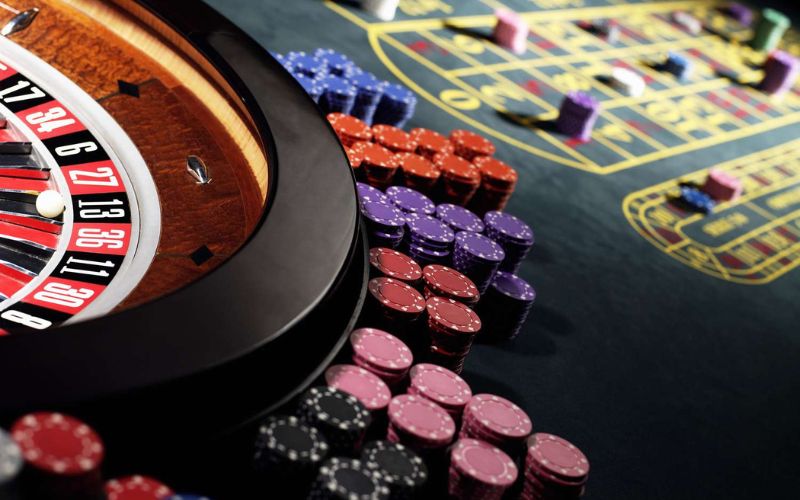
Your table image is critical to success at small ball poker, and two factors come into play here. First, you have to project a loose image so that opponents are willing, if not eager, to call with hands that are weaker than yours. To some extent, all those small bets and raises made earlier were just part of the set-up for bigger hands you hope to play.
Second, regardless of how well you project yourself as loose and weak, it won’t matter if your opponents are brain dead and aren’t tuned in to the message you’re broadcasting. Suppose your opponents are as loose as the image you’re trying to represent and eager to call you with almost anything. In that case, you’re probably better off forgetting about small balls and playing tight aggressive poker instead.
Playing After the Flop
If you employ small-ball tactics, the ability to play well after the flop is critically important. After all, if you see a lot of losses, you must play well after the defeat to make the small ball work for you. If after-the-flop play is not your cup of tea, you’d be better off resorting to power poker: Play big hands aggressively and try to end the confrontation without seeing a flop.
Small ball poker also gives you more than one opportunity to read your opponent. Rather than making a big bet only to find yourself facing a big re-raise – one that covers most or all of your chips – betting smaller amounts gives you additional betting rounds to assess your opponent’s probable hand based on his actions before the flop on the flop, and maybe even on the turn.
One of the small ball’s major benefits is that it provides an opportunity to deconstruct your opponent’s play without going broke in the process. But it also provides the same opportunity to your opponent. By learning to play well after the flop, the small ball provides a huge edge over opponents who are not as adept at post-flop play as you are – because, among other things, it allows reading and deducing their hand over several betting rounds.
Starting Hands for Small Ballers
While small ball poker conveys a loose image, and small ballers play more hands than opponents, starting hand selection is still important. When planning to raise a dicey hand, it must have potential. Trash hands with little or no potential for growth won’t get it done.
Because a small ballers’ raises are smallish, there’s a good chance they will be called and and that’s another reason it pays to have a hand with growth potential. That’s where small pocket pairs, connectors, one-gapped hands, and suited cards come into play. You’re hoping to make a very big hand, one that you can use to crush your opponent. But like every strategic ploy in poker, it’s a two-edged sword. When small ballers only catch part of the flop, they need to be able to release their hand when it appears they are beaten – and small ballers are far more likely to be won than opponents who play power poker. When a small baller flops the top pair, it will probably be the top pair with a lousy kicker. When power poker-playing opponents drop full team, it’s usually accompanied by the top kicker too.
That’s another reason for managing the pot size: You don’t want to lose too much money when you have a hand that could easily be dominated. In these circumstances, folding can even be a better course of action. But when it isn’t, keeping the pot small bits helps avoid losing too many hard-won chips.
When Should You Use Small Ball Tactics?

Small ball poker is more effective at the beginning of tournaments and when the blinds are small compared to most players’ stack sizes. At the end of most games, and often during the late middle stages, blinds can be high in relation to stack sizes. Small ball is ineffective here because the cost is too high to warrant taking a chance on speculative hands. In addition, because so many players are short-stacked or getting close to that point, there’s not much room for play after the flop. The last thing most players want to see in a tournament’s latter stages is a flop. If they have a hand, or even if they don’t but are representing one, they want to bet and take the pot right there.
When it might cost a quarter to a third of your stack to see the flop, there’s not much sense in looking at one with a marginal, long-shot, bargain basement hand.
Small ball is also highly position-dependent. You can’t continue to raise from an early position regularly. If you’re re-raised, you will usually have to fold, and even if your opponent only calls, you’ll be out of place for the entire hand’s duration.
Play small ball when you’re on or near the button, and no one else – well, perhaps just one other player – is in the pot. Because a successful small ball requires a great deal of skill after the flop, that task is eased immeasurably when you have a position on your opponents. It’s easier to outplay one goose than an entire gaggle of them, and it’s easier still when you’re the guy who acts last.
How to Defend Against Small Ball Players
Because you won’t be the only small baller in a poker tournament, it’s as important to learn how to defend against them as employing small ball strategies yourself. Every small baller wants to accumulate chips without risking his entire stack, and you’ll frequently have to confront other small ballers who, like you, want to see flops and bet opponents off their hands when no one shows any strength and fold when others appear to have bigger hands.
Good small ballers are tough to play against because they read hands well and can decipher what your checks, bets, and raises mean. If your opponents are better at this phase of the game than you are, they have a tactical edge on you, and you’ll probably be better off changing your tactics against them.
Because small ballers don’t want to commit all their chips in a single hand, one defensive ploy is to go all-in if you believe your opponent will fold. This, however, is poker’s ultimate two-edged sword. You will get many good small ballers to fold better hands, but you also risk trapping yourself for all your chips when your small-balling opponent wakes up with a really good writing.
Because small ballers love to have position in order to see what you do before they are required to act on their own hand, another defensive tactic – and one that’s significantly less risky than pushing all-in – is to play pots against small ballers only with a position on them. This prevents them from acquiring information about your hand before acting on theirs.
You can also make larger raises earlier in hand, signaling to your opponent that you won’t mind if the pot grows quite large by the river, and that you might be very willing to risk all your chips with the hand you have.
Small ball poker players are usually looking to reduce variance and play more hands so their skill becomes the game’s determining factor. If you are a less skilled poker player, your best tactic is often to increase the variance by making bigger bets. It raises –and this includes pushing when you believe your opponent will fold – than to play small ball against an opponent whose skill differential means he is likely to grind you down over time, as long as the luck of the draw can be bled out of the equation.


