

Mastering Poker Tilt with Stoicism: The Antidote for Tilt
The title of this article, “The Antidote for Tilt,” has likely piqued your interest, especially if you’ve ever fallen victim to the universal pitfall of going on tilt in poker. Tilt comes in various forms, one of which I’ve previously discussed, known as Semi Stealth Tilt (SST). This tilt sneaks up on you, impairing your decision-making without realizing it. Regardless of the tilt’s form, it primarily relates to your emotional stability and mindset. Do you allow certain events to affect you deeply, or can you brush them off like water from a duck’s back? There’s wisdom in emulating a duck in such situations! When you feel yourself slipping into tilt mode, try saying “Quack, Quack” to remind yourself to play poker with a clear, emotion-free mind.
The Stoic Approach

Preventing yourself from falling into tilt requires remaining emotionally detached while navigating the poker battlefield. Is this easier said than done? Perhaps, but there’s an ancient school of Greek philosophy known as Stoicism that might hold the key to creating a true antidote for poker tilt. Stoicism, founded around 300 B.C. by Zeno of Citium and developed by his followers, teaches that the laws of nature govern all things and that wise individuals should calmly accept whatever happens, always maintaining control over their emotions. It’s safe to say that Harry, who just erupted like a Roman candle at the end of the table, isn’t a practitioner of Stoicism!
The Stoic Way
Stoics aimed to live in harmony with nature, emphasizing the need to set aside passions, unjust thoughts, and indulgence to fulfill one’s duty and attain genuine freedom. This ancient philosophy forms the basis for the modern-day term “stoical,” which signifies remaining sternly unconcerned and unemotional in the face of joy, grief, pain, or pleasure while staying calm and unruffled. While this approach may sound like it would make you a dull poker player, it does promote positive behavior at the poker table. I’m not trying to convert anyone to Stoicism, but rather to use its principles to enhance your poker performance, with potential benefits extending to other aspects of life.
Becoming a Stoic at the Poker Table
Becoming stoic at the poker table comes with experience and emotional grounding. After playing countless hands of poker, you’ll likely have witnessed enough improbable flops and one-outers hitting the river to become immune to their impact. Consider this: the so-called “bad beats” don’t even come close to the odds of winning the lottery, yet people win it all the time! When these long shots occur, rookies gasp in amazement, while seasoned players should yawn because they’ve seen it all before. Unusual? Yes. Unbelievable? No.
Projecting Strength
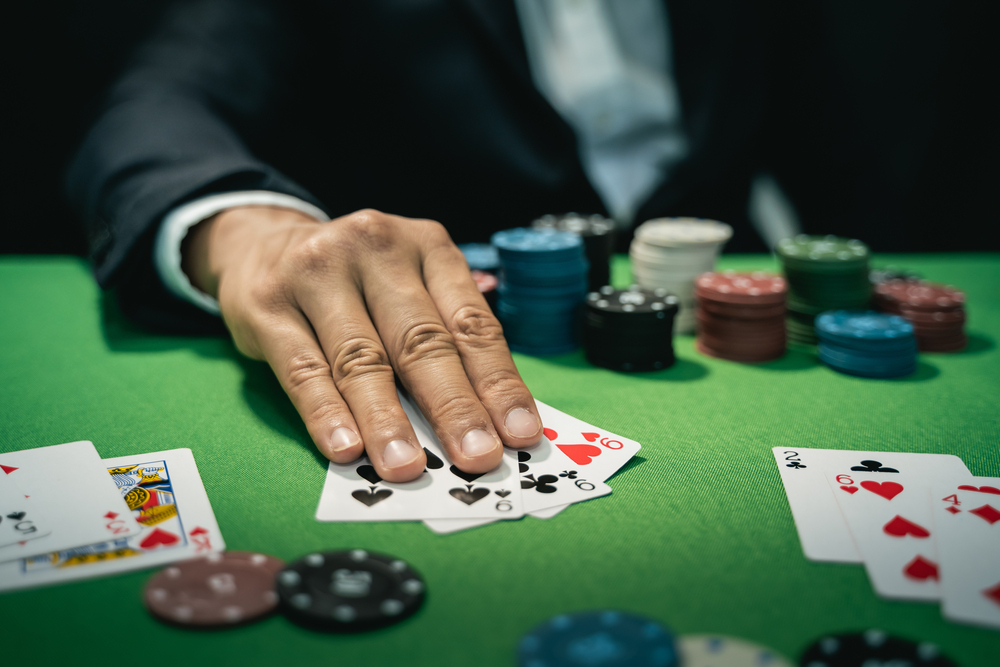
Maintaining a stoic demeanor at the poker table presents the best image, allowing you to approach wins and losses with equanimity. This behavior may even rattle some opponents who can’t fathom remaining so composed when facing similar highs and lows. Sitting there, remaining stoic, exudes strength and emotional mastery that many poker players lack.
The Tilting Opponents
We’ve all encountered poker players who don’t understand the concept of stoicism and lack the emotional control to make it their default playing style. The good news is that the more players there are like this, the higher your chances of success, as long as you maintain emotional composure. Observing players who incessantly complain about supposed bad beats while ignoring the current hand unfolding is amusing and frustrating. Complaining about the unpredictability of poker is essentially fighting against oneself. Whose side are these players on, anyway?
Reverse Tilt: A Different Challenge
While we’re familiar with the typical tilting player, another form of tilt is “Reverse Tilt,” where players boast excessively when they win. It’s up to you to decide which is more tedious: whining about losing or gloating about winning. Both behaviors can negatively impact the quality of poker play. If these individuals could step back and objectively assess their conduct during emotionally charged moments, they would likely recognize how foolish it appears to their opponents.
Balancing Stoicism with Camaraderie

The goal of this article is not to advocate for eliminating the enjoyment from our beloved game and turning it into a grumpy, silent curmudgeon. For recreational poker players, a significant part of the game revolves around camaraderie as you vie for the upper hand with friends. However, it’s worth considering that demonstrating emotions, whether in victory or defeat, may not always be in your best interest. Ultimately, maintaining emotional composure is what sets winners apart.
Additional Insights
While we’ve explored the concept of Stoicism and its application in poker, it’s essential to remember that maintaining emotional control is an ongoing journey. Over time, you’ll develop resilience and the ability to remain stoic. In the next section, we’ll delve deeper into practical strategies to cultivate emotional stability and provide additional tips for staying calm at the poker table.
Practical Strategies for Emotional Control
Mastering the art of remaining stoic at the poker table requires practice and dedication. This section will outline specific strategies and techniques to help you build emotional resilience and enhance your poker performance.
Conclusion
In conclusion, the antidote for tilt in poker lies in adopting a Stoic approach to the game. While you don’t need to become a Stoic philosopher, incorporating Stoic principles into your poker strategy can help you maintain emotional control and improve your chances of success. Remember, it’s not about stifling your enjoyment of the game but about finding the right balance between camaraderie and emotional composure to emerge as a true poker champion.


