

What is Straddle in Poker: Definition, Strategy, and How to Use It
In poker, a straddle is an extra bet you can make before the cards even reach your hands. It’s usually twice as big as the big blind bet, putting more chips on the table from the get-go. With this move, tension mounts, such as when the first card lands on the green table, increasing the stakes and nudging other players into action. Being savvy with straddles can shift the game rhythm akin to skipping a stone over water – it changes its pace, sending ripples through decisions and strategies. Now, let’s delve deeper into these movements of chips and minds.
In poker, a straddle is an optional blind bet made before cards are dealt, typically double the amount of the big blind. It acts as an additional forced bet that enhances the game’s stakes and can lead to increased action and larger pots. While often seen as -EV (negative expected value), strategic use of the straddle can influence table dynamics and encourage more aggressive play from other players.
What is Straddle in Poker?
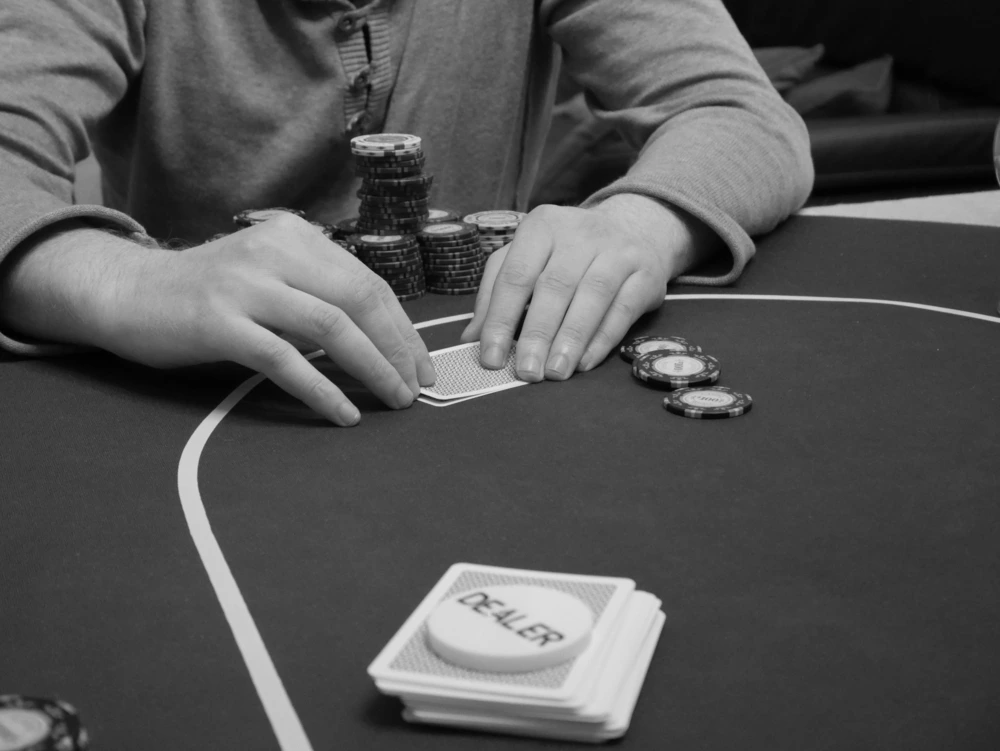
In the exhilarating game of poker, a straddle is akin to adding an extra dash of spice to the pot. It’s an optional, additional blind bet that players can make before any cards are even dealt. This bold move typically doubles the amount of the big blind and presents a strategic advantage to the player who initiates it, allowing them to act last before the flop.
Consider it as if you’re folding up your sleeves and saying, “I’m upping the ante here.” By making a straddle bet, you’re signaling to everyone at the table that you’re ready to take on higher stakes and increase the level of action in the game. It’s like revving up the excitement engine and getting everyone’s adrenaline pumping before the match even begins.
Impact on Strategy
When a player decides to make a straddle bet, they’re not just throwing in some extra chips to sweeten the pot but also altering the game’s dynamic. Suddenly, everyone at the table needs to adjust their strategy due to this new element in play – one that could alter their entire approach for that round.
Imagine sitting at a poker table, observing each player meticulously calculate their next move. Then, someone boldly puts forth a straddle bet. Instantly, the atmosphere changes—the tension heightens, and suddenly, each player has to rethink their action plan. It’s like injecting an extra dose of uncertainty and anticipation into the game, as everyone must recalibrate their approach in response to this unexpected twist.
Strategic Deployment
Just as a master chef carefully considers which spices will elevate a dish, a skilled poker player strategically chooses when to use a straddle bet to surprise their opponents and shake up the entire scenario.
So next time you’re at a poker table, and someone decides to throw in a straddle bet, remember that it’s not just about increasing the stakes—it’s about reshuffling the dynamic and compelling each player to rewrite their strategies on the fly.
As we examine how straddling fits into the intricate world of Texas Hold’em, let’s explore how these strategic maneuvers are incorporated into the specific rules of this high-stakes game.
The Rules for Straddling in Texas Hold’em
In Texas Hold’em, the rules for straddling are not as straightforward as one might think. The standard practice is for the straddle bet to come from the under-the-gun position before any cards are dealt, doubling the stakes. If you’re in this position, you can put out a straddle bet to kick off the betting action. However, it’s important to note that some poker rooms may allow straddles from other positions or even double and triple straddles—less common variations that can significantly alter the game’s dynamics.
Let’s consider a scenario where a player initiates a triple straddle, dramatically increasing the stakes and potentially influencing other players to reconsider their hand selection and betting strategy. These unconventional moves can lead to a more unpredictable and aggressive style of play, adding an element of excitement and risk to the game.
Betting Round Dynamics
Once the straddle is placed, it affects the pre-flop betting round. Since the straddler essentially acts as if they were in the big blind, they get to act last before the flop. This positional advantage can impact the actions of other players at the table, particularly those who have already entered the pot with their initial bets.
For instance, players after the straddler have likely committed chips to the pot by calling or raising. Knowing this, they may approach their subsequent actions differently, knowing they’ll face further bets from someone already signaling strength by making an advanced voluntary blind bet.
Consider a situation where you’re seated after a player who has initiated a straddle. You may need to adjust your strategy and be more cautious in your hand selection since you’ll act before them post-flop. This strategic adjustment is necessary, as you’d likely face stronger hands from someone willing to invest extra chips voluntarily before seeing their hole cards.
Understanding these critical rules for straddling in Texas Hold’em provides valuable insight into how this move influences individual player strategies and overall game dynamics.
The intricate strategies behind straddling open a world of tactical considerations and opportunities for astute players. Let’s highlight the potential advantages of incorporating this audacious move into your poker arsenal.
The Benefits of Straddling

Exploring the strategic advantages and psychological nuances of straddling in poker, let’s delve into its various benefits:
Increased Pot Size
One of the most notable advantages of embracing the straddle is the increase in pot size. Introducing a straddle doubles the stakes even before the cards are dealt. This creates larger pots from the start, leading to more intense and thrilling gameplay. It can excite the game, attracting players looking for a high-stakes thrill.
Positional Advantage
Additionally, you can gain a positional advantage by opting for a straddle. You get to act last before the flop when you are the straddler. This positions you in an advantageous spot, providing valuable information as you observe the other player’s actions. It gives you an edge as you make decisions and allows you to adapt your game plan based on your opponent’s moves.
For instance, imagine a scenario where players are generally cautious in pre-flop betting. With a well-timed straddle, you can incite action and pressure opponents to commit to hands they might otherwise fold. This strategic move plays into your hands, allowing you to exploit hesitant opponents and seize control of the hand.
Psychological Impact
Furthermore, embracing the practice of straddling can have a remarkable psychological impact on opponents. It has been observed that introducing a straddle can disrupt opponents’ expectations and strategies. This disruption often prompts opponents to recalibrate their approach, potentially leading to suboptimal decisions.
To illustrate this point, consider how a sudden change in any competition—be it sports or business—can throw off the rhythm and focus of the competitors. Similarly, implementing a straddle can inject unpredictability into the poker game, creating an environment where players must adjust, potentially benefiting those who initiated the straddle.
Incorporating a straddle into your poker game offers various tactical advantages that influence pot sizes and shape the dynamics at the table. These benefits underscore the significance of strategically utilizing this maneuver to enhance gameplay and engagement.
Now, let’s explore how employing frequent straddling can have its drawbacks and impact overall gameplay dynamics.
The Drawbacks of Straddling
Exploring the strategic advantages and psychological nuances of straddling in poker, let’s delve into its various drawbacks:
Impact on Expected Value (EV)
While straddling can add an element of surprise and excitement to the table, it’s essential to be aware of the potential impact on your overall expected value (EV). By voluntarily doubling the stakes before even seeing your cards, you’re essentially taking on additional risk without any information about the strength of your hand, which can lead to unfavorable outcomes. This can go against the principles of strategic poker play and may not always work in your favor.
Altered Dynamics
Moreover, straddling can drastically alter the dynamics of the table. It often encourages other players to become more cautious with their starting hands, resulting in a tighter overall gameplay. The increased monetary commitment can also influence players to fold marginal or decent hands that they might have played under regular circumstances. This dynamic shift can significantly impact the game’s flow, potentially reducing the action and excitement at the table.
Frequent straddling makes for a tighter overall table dynamic as players may fold marginal to decent hands.
Stack Depth Considerations
Furthermore, when a player initiates a straddle, it reduces the number of big blinds stacks. This altered stack depth requires a different strategic approach to pre-flop hand selection and post-flop play. Players must adapt to this reduced stack size, affecting their decision-making process throughout the game.
Imagine being in a position where you have half the number of big blinds compared to a standard game scenario; this changes the value of different hands and impacts your ability to make certain plays or maneuvers due to limited chip resources. It introduces an additional layer of complexity into your decision-making process.
Strategic Implications
The commitment made by initiating a straddle isn’t just financial—it’s also strategic. Its implications extend beyond the literal doubling of the current stakes, influencing how players perceive and execute their moves throughout each hand.
Straddling presents a different dimension to traditional poker gameplay, and understanding its potential drawbacks is crucial for making informed decisions. As we navigate the intricate strategies involving straddling, it becomes evident that various considerations are at play. Understanding how these nuances impact a player’s approach is pivotal in devising effective tactics to leverage the straddle advantageously.
Strategizing with the Straddle
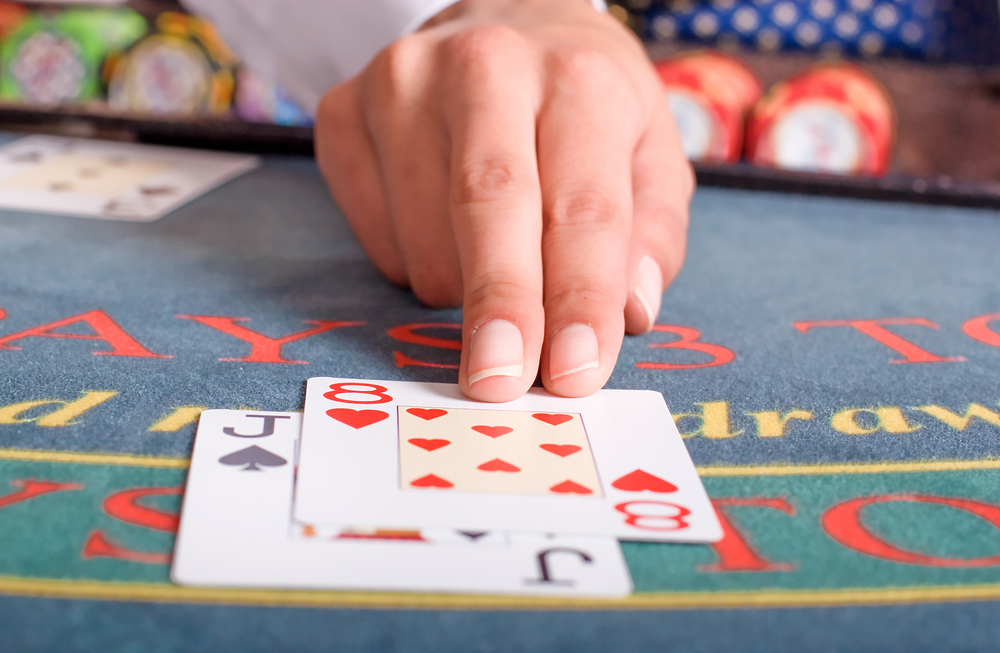
When deciding whether to use a straddle in a particular poker game, it’s crucial to consider how it will influence the table dynamics. If the game feels slow or passive due to tight play, introducing a straddle can shake things up by encouraging more action. Conversely, frequent straddling can paradoxically tighten the table dynamic, as players may become more cautious and fold hands they might otherwise play. Understanding this impact on the game’s energy and adaptability will help you tap into the straddle’s potential at the right moments.
It’s important to be aware that frequent straddling can result in a tighter overall table dynamic. Players who typically stay in pots with marginal hands might end up folding more frequently, which can change the rhythm and feel of the game. While introducing a straddle could induce action, consistently aggressive play due to an abundance of straddles creates a cautious environment where players are less inclined to take risks. Your decision to use the straddle should be based on understanding how it will affect the game’s flow. If you want to revitalize a stagnant table, strategically employing the straddle may be advantageous. However, be mindful that relying too heavily on this tactic could lead to unintended consequences that may not align with your goals for the hand.
Positional Advantages
Recognizing position awareness when utilizing the straddle is crucial. Its strategic value lies in granting the straddler the last action pre-flop. This provides a significant advantage in making informed decisions about how to proceed, effectively putting you in control of how the hand unfolds before any community cards are dealt.
Imagine observing what your opponents decide before making your own choice; this is precisely what leveraging the straddle provides. By acting last pre-flop, you gain insight into your opponents’ actions and can tailor your strategy accordingly. With this positional advantage in mind, it becomes clear that thoughtful use of the straddle can offer you an edge in shaping the outcome of hands.
Being conscious of your position at the table is key to capitalizing on this advantage. When you have control over your actions at such a pivotal moment in the hand, you’re better positioned to make informed and strategic decisions based on your opponents’ behaviors.
Understanding table dynamics and positional advantages when employing the straddle allows you to make well-informed decisions about its usage, adding a powerful element to your poker strategy.
Understanding Straddle Positions
In poker, the position is power. Where you sit at the table can significantly influence your decisions and how you play your hands. Straddling further complicates this, adding an extra consideration regarding position strategy.
When players straddle from different positions at the table, it changes the game’s dynamics. The default position for a straddle is typically from under the gun (UTG), which is directly after the big blind. This can affect the entire preflop betting round since it alters positional advantages and responsibilities.
Impact of Position on Strategy
Playing from a straddle position requires awareness of how your actions could impact the rest of the hand. For instance, if you straddle from an early position, you’re essentially building the pot without having as much information about other players’ hands. This increases your risk and might require a different approach to hand selection and post-flop play.
Additionally, the straddle position affects your stack size regarding big blinds. Your stack effectively gets halved when you’re in a straddled hand. This means your strategy should adjust to accommodate shorter effective stack sizes compared to situations without a straddle.
Benefits and Drawbacks
Understanding how varied straddle positions change pre-flop dynamics provides insight into whether initiating or participating in a straddle is beneficial or detrimental. For example, strategically using a straddle can help stimulate action and invigorate gameplay if you’re at a very tight table. On the other hand, initiating a straddle at a table with aggressive players could lead to unfavorable outcomes.
Being mindful of these strategic implications enables you to adapt and respond effectively in different scenarios at the poker table. It’s crucial to weigh the pros and cons of participating in various straddle positions to make informed decisions that optimize your expected value (EV).
Adapting Strategy for Varied Straddle Types
Moreover, there are different types of straddles, each with its unique impact on pre-flop action. Button and Mississippi straddles are among these variations that can significantly alter a hand’s preflop dynamics. Understanding these alterations is key to adjusting your strategy effectively within different positions at the table.
For instance, a button straddle introduces additional complexity by allowing players on the button—often considered the most advantageous position—to initiate a straddle bet. This changes how players in earlier positions perceive their relative position strength and influence their preflop betting ranges accordingly.
Recognizing and comprehending these strategic nuances about varied straddle types equips you with a valuable skillset to enhance your decision-making process and fine-tune your poker game.
Mastering the intricacies of poker straddle positions can elevate your gameplay. Discover more about poker strategies and techniques at Pokerology now!


