

Prevent Tilt in Poker: Top Strategies for Control
Tilt is a poker slang term often used to describe a player’s angry or frustrated emotional state. We commonly Understand tilt as the result of simply taking a bad beat or losing a big pot. But going on tilt can be caused by several things, such as losing multiple hands, multiple sessions, or getting annoyed by another poker player.
If you ever played pinball as a kid, tilt was what happened when you hit or shook the machine too furiously in an attempt to guide your ball into a desired slot or to keep it in play and prevent it from being swallowed up by that dreaded gap between the flippers at the bottom of the machine. When that tilt sign lit up, the game ended, and you had to insert more money to keep playing. And tilt in poker gets its name from pinball machines. When you play poorly and irrationally, often because the emotional response of an opponent’s long-shot draw skewers your better hand, you are off-kilter, unglued, wide-open, and on tilt.
Emotional Responses Induce Tilt
Tilt is not when you make a bad play because you don’t know better. If you make what turns out to be the wrong play – but you thought your action through carefully and made a mistake or misread the situation – that does not tilt either. Some poker experts may disagree, but if you make a bad play based purely on the fact that you are overtired and your mind is not as sharp as it normally would be, that is not tilt. Not unless you refuse to acknowledge you’re too tired to play well and stubbornly continue playing poker in a compromised state.
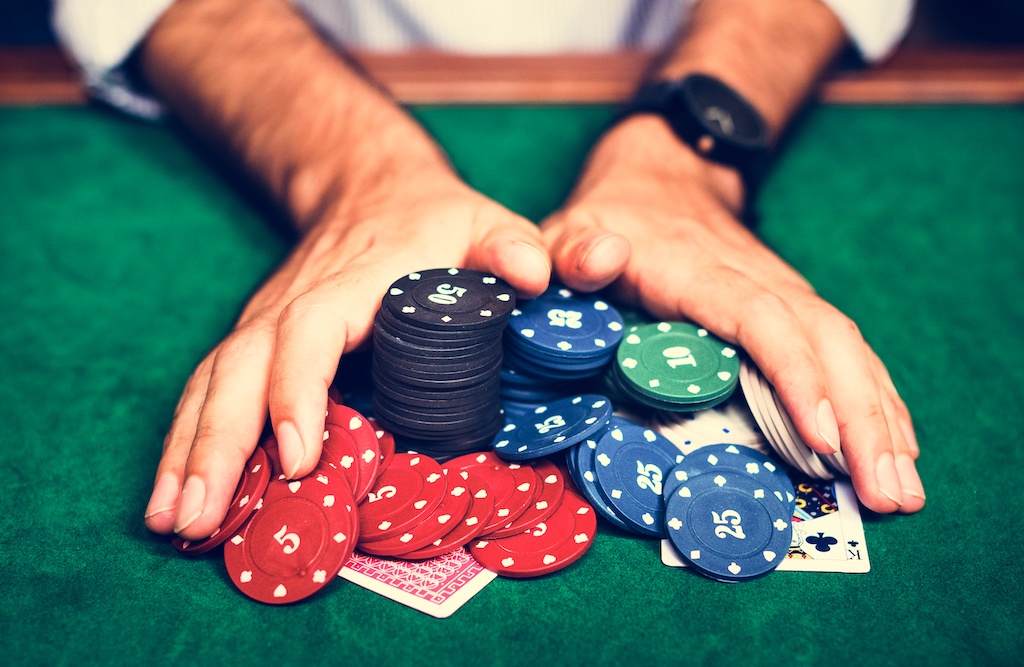
Tilt is when you play poker poorly, making even a single play you know is a bad strategy because your emotions interfere with your ability to think clearly.
Tilt Triggers
The events that can push a poker player to go on tilt, known as tilt triggers, are as diverse as the players themselves. The most common culprit is a bad losing streak, but other well-known triggers include bad beats, trash-talking opponents, and being card-dead for a prolonged period. Beyond this, there are other factors – drugs, alcohol, lack of adequate nutrition or sleep, and problems at home – which can make a player much more vulnerable to tilt before he even sits down to play. We’ll look more at the various tilt triggers and how to recognize them in the second part of this series.
Knowledge is Power
That’s the tricky part. This perfectly illustrates the old saying “Knowledge is power” because you cannot even overcome tilt until you realize you’re on it. But, you are on tip whenever you become aware that you’re making a particular play for an emotional reason – a space you would not be making if your emotions were in check and your thinking was clear.
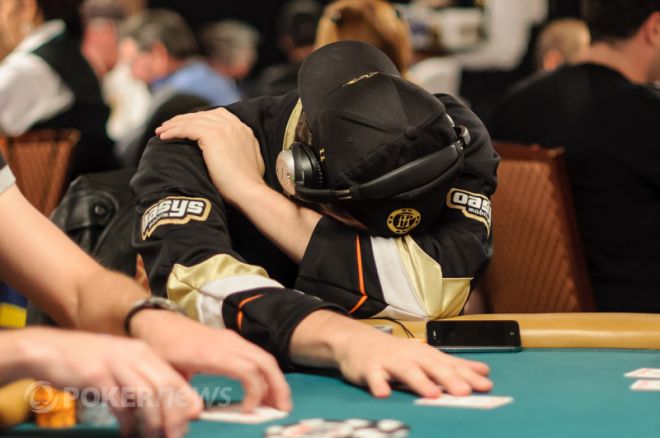
You are on tilt if you make a crying call on the river because you can’t stand the thought that an obnoxious opponent might be trying to steal the pot. You are on tilt if you re-raise with a second-rate hand because you’re impatient to score a big pot. You are on the tip if you check an indicator that you know is worth a bet because you’re fearful of risking more chips.
How Does Long Tilt Last?
Tilt can be as brief as one stupid play in a single hand or persist for months or even longer. But the most typical scenario is that it will last from the moment you start tilting until you quit the poker session because you’ve either come to your senses or run out of money/chips.
Everyone Tilts (Some More than Others)
Everybody. No poker player has ever been immune from tilt. The best poker players don’t tilt nearly as often or as severely. This is because many seasoned poker players have become somewhat resistant to going on tilt after years of experiencing fluctuations of luck in the game. Getting this resistance to tilt should be the goal of every poker player.
Tilt and Certain Poker Games
Is tilt more likely to happen in certain types of poker games? It’s more about the player than the game. Some personality types are just more vulnerable to tilt than others. That said, poker games with faster action and higher stakes are more likely to induce tilt, if only because the triggers in these games are more potent and numerous.
The Consequences of Tilt
Tilt is always a very serious leak in anyone’s poker game. You make -EV decisions and play poorly whenever you’re on tilt. If it’s a mild, short-term case of tilt, you might escape with no damage. But the longer the tilt drags on, the uglier the picture gets, and the more certain you’ll lose a significant chunk of your money. In a serious case, the tilting player will lose every chip on the table and then some.
For most poker players, taking a break from the game – whether for a few hours or a few days – is enough for them to cool down and come to their poker senses again. But for a few hardcore tilters who refuse to acknowledge they have a problem with tilt, the emotional interference persists into the next session, the next, and the next. And for these unhappy few, tips can bring total financial ruin.
The Different Forms of Tilt
There are many different forms of tilt. So now it’s time to meet the members of the tilt family…
Berserker Tilt: the Fast and the Furious
The quintessential form of tilt, poker’s version of a total meltdown. It’s the easiest to recognize and the hardest to overcome. Berserker tilt is loose-aggressive – with a big emphasis on aggression. Frustrated and angry at losing, the tilting player attempts to steamroll his way back into profitability by betting and raising at everything that moves. Virtually every hand he receives is a candidate to be overplayed as he calls with garbage, overbets with hands that barely warrant a call, and shoves out one ill-conceived bluff after another.

More than any other kind of tilt, berserker tilt can inflict massive financial damage in a very short space of time. Unless the tilting poker player comes to his senses or gets miraculously lucky (both unlikely scenarios), he is primed to lose every chip he has on the table and more before he finally quits.
All forms of tilt come in varying degrees of severity and duration, but there is no such thing as a mild case of berserker tilt. The result is almost always grim as the berserking player ultimately slinks away from the poker table with his bankroll eviscerated and his confidence shattered.
Lily-livered Tilt: Fright Club
Not as easily recognizable as berserker tilt, lily-livered tilt is thematically its opposite. Tight-passive in nature, it’s almost a stealth form of tilt, flying under the radar and inflicting harm before the poker player knows what hit him. Often, the player won’t even realize that he’s been on tilt until much later – if ever. And that’s what makes lily-livered tilt so dangerous.
Under the spell of lily-livered tilt, the poker player is constantly searching for any reason to fold and resisting any reason to bet or raise. Like its berserk-ing cousin, the lily-livered inclination is usually triggered by a bad loss, most likely by a full-blown losing streak. But in this case, the tilting player responds not with an angry determination to win back his money but rather with a white-knuckle fear of losing even more. Yet he cannot bring himself to quit the game, so he plays like the ultimate nit instead.
In contrast to berserker tilt, the lily-livered variety typically doesn’t cost the player a massive chunk of his stack in the short term. Its destructive power comes more from the long-term forfeiture of all the money the player could have won and should have won if he’d been betting and raising normally. The tilting player will ultimately minimize his wins to curtail his losses.
Winner’s Tilt: I’m King of the World!
While it may seem like an oxymoron, the winner’s tilt is a real problem for some poker players. The strong emotions aroused by winning can be just as mind-clouding as any form of poker despair. The winner’s tilt can degrade your game in one of two ways. In the first case, the player cruising along and comfortably crushing the game begins to feel invincible, so he plays too loose-aggressive. Flush with a large stack of newly-acquired chips and convinced he could do no wrong, he routinely overplays his hands, putting in too much money with weak cards and setting himself up for the inevitable fall. At best, he gives back a small portion of his winnings. At worst, the losses make him angry, and he slides down into a berserker tilt.
The winner’s tilt is also a problem when the victorious player falls in love with his newfound wealth and cannot bear losing it. Wanting to “lock in” his win without quitting the game, he attempts to protect his stack by playing weak-tight poker.
Frustration Tilt: The Need for Speed
A watered-down version of berserker tilt, frustration tilt can happen after a player has been card-dead for a long period—the result: loose play. To force the action and make something happen, the player makes sloppy calls that he would never normally make – for no reason other than being sick and tired of folding.

For obvious reasons, frustration tilt is more likely to happen in a live poker game, where the player is limited to playing one table at a time. But online players are not immune. Even with multiple tables all going simultaneously, long, dry stretches of mediocre cards and missed flops can occur, creating a fertile environment for frustration tilt. And while frustration tilt may seem innocuous compared to other more virulent forms of angle, that’s a deception. There is no such thing as a benign form of curve. All it takes is one open call to produce one nasty loss, starting a downward cycle that ends in a berserker tilt.
Something-to-Prove Tilt: Long Day’s Journey Into Spite
Another offshoot of berserker tilt, the something-to-prove variety, occurs when a player feels antagonism towards his opponent(s), usually due to trash-talk and an embarrassing loss. Like berserker tilt, this involves a lot of loose-aggressive play – not quite as mindlessly off-the-hook – and unwise bluffs aimed at the object of the player’s derision. Those things alone are a potent recipe for disaster.
The something-to-prove tilter also falls prey to fancy play syndrome, executing over-elaborate plays in a desperate attempt to show everybody what a great poker player he is. If he’s lucky, the extra-fancy plays will cost him a little EV; if he isn’t, they’ll cost him his entire stack.
Despondent Tilt: Point of No Return
This tilt happens when a poker player has crossed what Mike Caro calls the “threshold of misery.” When a losing streak has been so brutal for so long, the player no longer believes he can win, and just about every ounce of rational poker reasoning has been beaten out of him. Mired in self-pity, the despondent player throws up his hands and abandons any pretense of trying to play well. Or win. He has given up. Of course, he could leave the game, but one of the main hallmarks of tilt is the player’s stubborn refusal to quit. So instead, he stays and almost literally throws away his money with loose-aggressive play – emphasis on loose because, for the most part, he’s too beaten down to get very aggressive.
The Not-so-Final Analysis
You could be the smartest poker player in the world – know every aspect of poker strategy, read your opponents flawlessly, and be able to calculate complex odds in seconds – but in the end, all those skills won’t do you a bit of good if you go on tilt. Poker is a game where money and ego are constantly on the line. If you have red blood in your veins, you can fall victim to tilt. It’s impossible to be a long-term winner at this game if you don’t know how to handle tilt, but you cannot understand how until you know it.
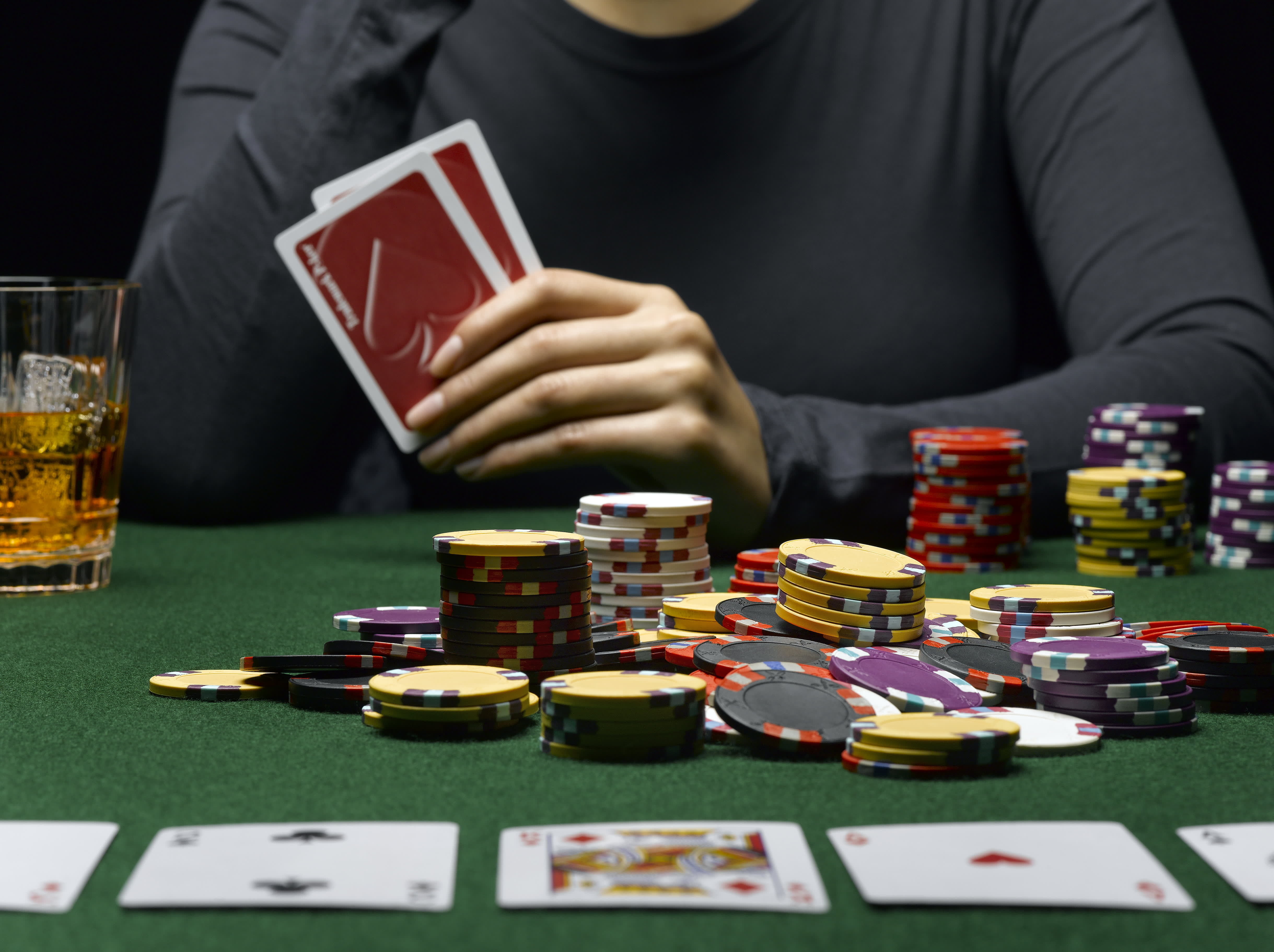
It would be best if you recognized when it’s happening to you when you’ve started to make poker decisions based on emotion – be it anger, fear, frustration, whatever – rather than clear, rational thought. It can help to have a friend, coach, or some other impartial observer watch your game and alert you to those times when you’re leaning precariously over the edge. But ultimately, it comes down to you.
Now that you know how to recognize the different forms of tilt, the next step is knowing what to do about it. How to put the kibosh on the tip or prevent it from happening in the first place. We’ll talk about that in the next lesson on dealing with information.


